year in review

Movers and shakers: Top executive moves in Houston energy transition of 2023

Promotions, corporate ladder climbing, and other top mover and shaker stories on EnergyCapital this year. Photos courtesy

Editor's note: As the year comes to a close, EnergyCapital is looking back at the year's top stories in Houston energy transition. From new board seats to internal promotions, this year marked a big one for some of Houston's energy leaders. Here were the top five most-read articles covering the mover and shaker news of 2023 — be sure to click through to read the full story.

Global consulting firm names new Houston energy practice leader​

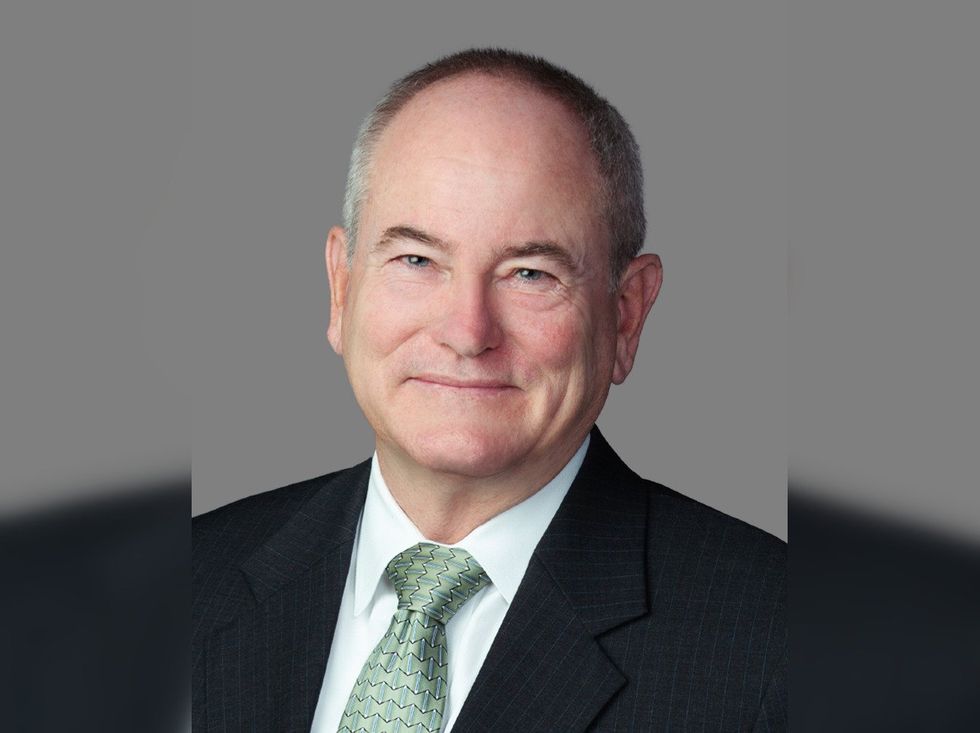
Alvarez & Marsal announced the appointment of Jay Johnson as senior adviser to its energy practice. Photo via alvarezandmarsal.com

A top global professional services firm named a Houston-based energy leader amid industry evolution and regulatory changes.

Alvarez & Marsal, or A&M, announced the appointment of Jay Johnson as senior adviser to its energy practice.

“I enjoy bringing together teams of people to solve the complex challenges facing companies today,” Johnson says in a news release. “I’m looking forward to working with A&M’s energy team to build leadership and capabilities to address industry challenges.”

Click here to read the article from November.

Houston carbon storage solutions company names new energy transition leader at pivotal time of growth
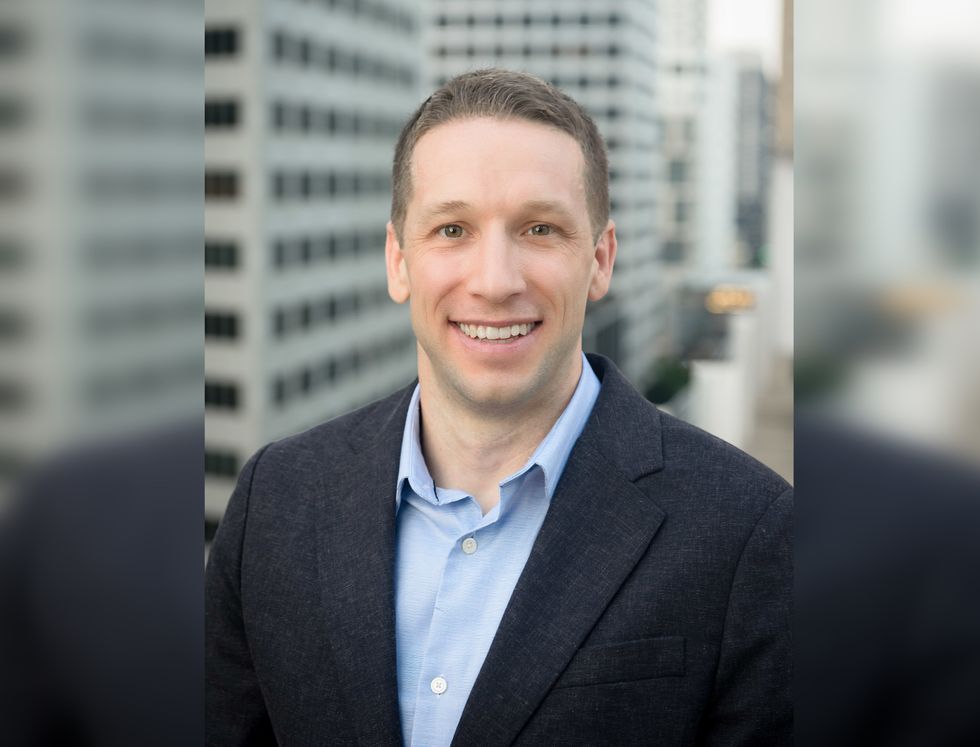
Graham Payne, the new director of energy transition at Caliche Development Partners II, is bullish on Houston. Photo courtesy

Graham Payne sees a bright future for the multibillion-dollar energy transition economy in Houston.

“It’s been said that Houston is poised, like no other city, to lead the energy transition. And I’d have to agree, because we have all the requisite natural resources, industry, and talent,” says Payne, the new director of energy transition at Houston-based carbon capture, utilization, and storage (CCUS) company Caliche Development Partners II.

Caliche and other Houston-based energy transition companies secured $6.1 billion in private funding last year, up 62 percent from 2022, according to the Greater Houston Partnership.

Click here to read the article from October.

Investment banking firm launches cleantech group, names Houston-based co-leader
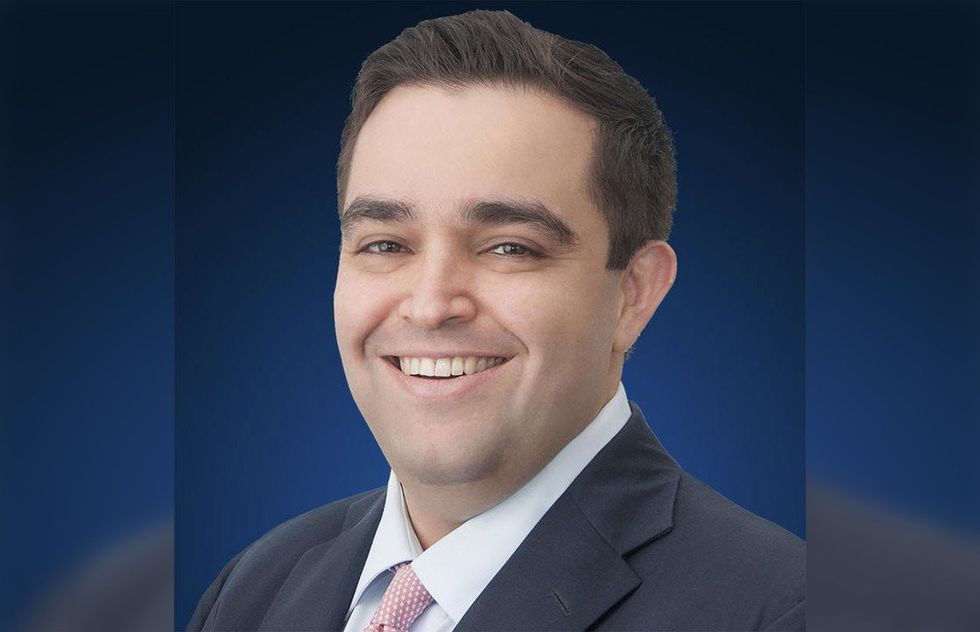
Moelis hired Arash Nazhad as Houston-based managing director and co-head of its newly formed clean energy technology group. Photo via rice.edu

A Houston investment banker has been tapped as co-leader of a new team at investment bank Moelis & Co. that will mine the energy sector for cleantech deals.

Publicly traded Moelis said September 7 that it hired Arash Nazhad as Houston-based managing director and co-head of its newly formed clean energy technology group. Nazhad joins Moelis from financial services giant Citigroup, where he was managing director of its clean energy investment team. He worked at Citigroup for nine years.

During his tenure at Citigroup and, before that, Norwegian energy company Equinor (which operates a Houston office), Nazhad helped carry out more than $50 billion in M&A advisory activities and helped raise over $40 billion in capital for clients. He’s been involved in the rollout of more than 20 IPOs.

Click here to read the article from September.

Houston energy transition leader joins California company's board with investment
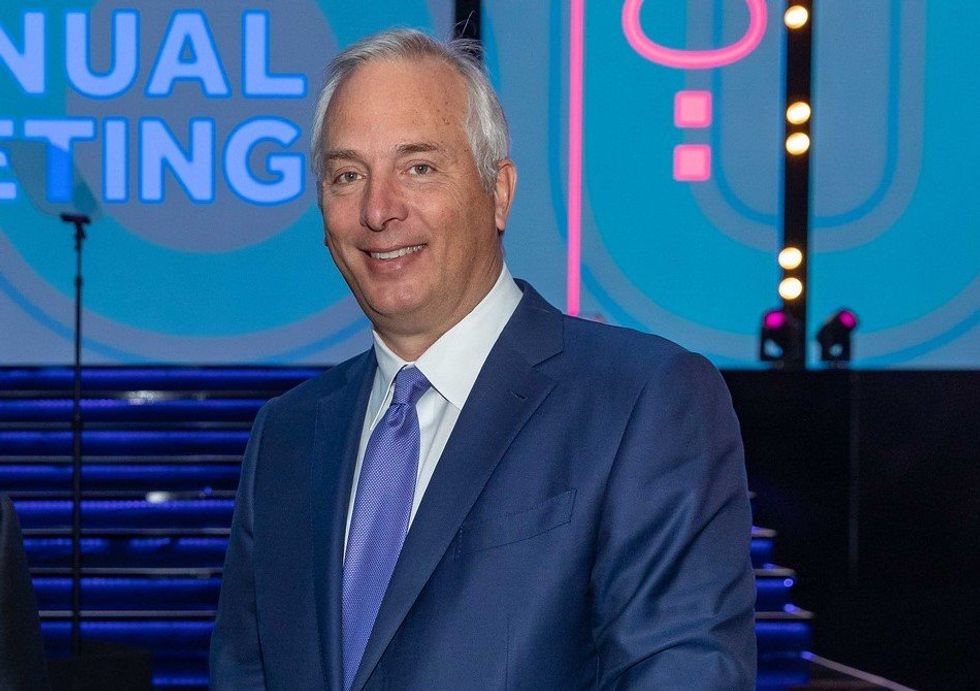
Bobby Tudor has joined the board of an energy tech company. Photo via Houston.org

A Houston business leader has taken a seat at the table of a San Francisco-based tech company.

Puloli, an IoT solutions-as-a-service company has announced an investment from, Artemis Energy Partners, a Houston group founded by Bobby Tudor. The terms of the deal were not disclosed.

With the transaction, Tudor joins Puloli's board of directors, bringing expertise from a storied career in energy transition from his roles at Tudor Pickering Holt & Co. and the Greater Houston Partnership.

"Bobby brings a tremendous amount of credibility and energy industry insight to Puloli and complements what Jodi Jahic and Aligned Partners bring to Puloli," Kethees Ketheesan, CEO of Puloli, says in a news release. "Bobby's endorsement of Puloli solution will be a big boost in accelerating our growth."

Click here to read the article from July.

Energy exec to take the reins of the Greater Houston Partnership
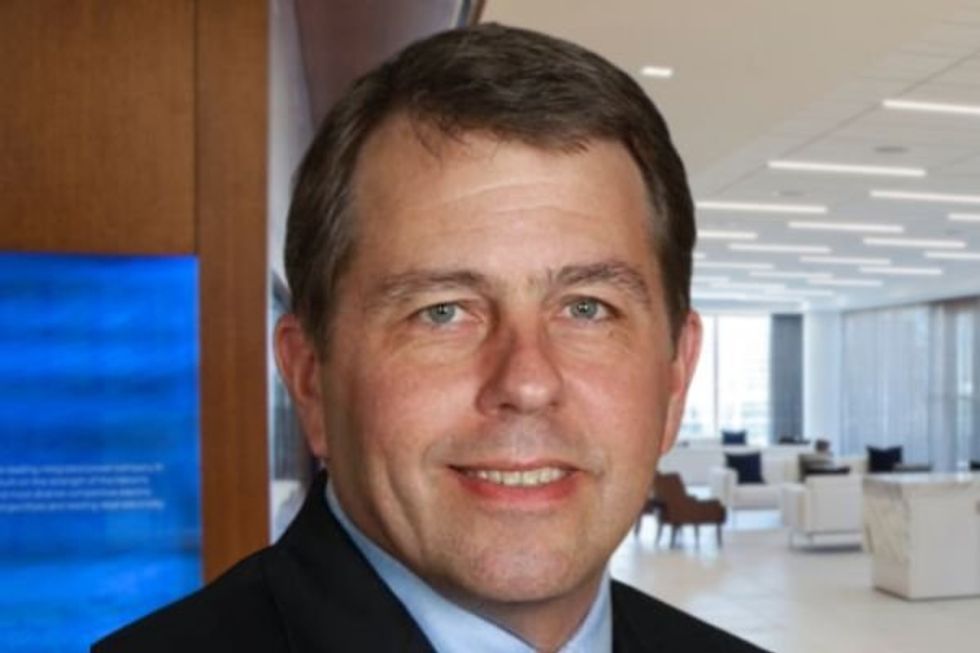
Steve Kean will transition from leading Kinder Morgan to assuming the role of president and CEO of the Greater Houston Partnership later this year. Photo courtesy of the GHP

A longtime energy executive has been named the next president and CEO of the Greater Houston Partnership. He'll take on the new role this fall.

The GHP named Steve Kean, who currently serves as the CEO of Kinder Morgan Inc., to the position. He's expected to transition from CEO to board of directors member at Kinder Morgan on August 1. Kean will then assume his new position at GHP no later than Dec. 1.

Dr. Marc L. Boom, GHP board chair and president and CEO of Houston Methodist, made the announcement at a press conference June 21.

“Steve brings incredible business acumen and leadership skills to the organization," Boom says in a statement. "Coupled with an extraordinary passion for Houston, he will build on the Partnership’s momentum to continue to advance greater Houston as a region of extraordinary growth and opportunity.”

Click here to read the article from June.

Trending News

A View From HETI

Trump and Republicans in Congress say the rate reset will boost energy production, jobs and affordability. Photo via Getty Images

A Republican push to make drilling cheaper on federal land is creating new fiscal pressure for states that depend on oil and gas revenue, most notably in New Mexico as it expands early childhood education and saves for the future.

The shift stems from the sweeping law President Donald Trump signed in July that rolls back the minimum federal royalty rate to 12.5%. That rate — the share of production value companies must pay to the government — held steady for a century under the 1920 Mineral Leasing Act. It was raised to 16.7% under the Biden administration in 2022.

Trump and Republicans in Congress say the rate reset will boost energy production, jobs and affordability as the administration clears the way for expanded drilling and mining on public lands.

States receive nearly half the money collected through federal royalties, depending on where production takes place. The environment and economics research group Resources for the Future estimates a roughly $6 billion drop in collections over the coming decade.

The stakes are highest in New Mexico, the largest recipient of federal mineral lease payments. The state could could forgo $1.7 billion by 2035 and as much as $5.1 billion by 2050, according to calculations by economist Brian Prest at Resources for the Future.

More than one-third of the general fund budget in the Democratically-led state is tied to the oil and gas industry.

“New Mexico’s impact is way bigger than Wyoming or Colorado or North Dakota,” Prest said, “and that’s just because that’s where the action is on new development.”

The effects will unfold gradually, since federal leases allow a 10-year window to begin drilling and production. Still, state officials say they're already prepping for leaner years.

“It all hurts when you’re losing revenues," said Democratic state Sen. George Muñoz of Gallup, who said lawmakers still hope to invest more in mental health care and support Medicaid, even if federal royalty payments decline. “We’ve learned that until the chicken’s got feathers, we’re not even looking at it."

The higher federal royalty rate was in place for roughly three years while leasing activity was muted, Prest said. New Mexico budget forecasters never tallied the additional income.

New Mexico's nest-egg strategy

A nearly five-fold surge in local oil production since 2017 on federal and state land in New Mexico delivered a financial windfall for state government, helping fund higher teacher salaries, tuition-free college, universal free school meals and more.

The state set aside billions of dollars in investment trusts for future spending in case the world’s thirst for oil falters, including a early childhood education fund to help expand preschool, child care subsidies and home wellness visits for pregnancies and infants.

The state's investment nest egg has grown to $64 billion, second only to Alaska's Permanent Fund. Earnings from the trusts are New Mexico's second-biggest source for general fund spending.

That sturdy financial footing shaped a defiant response to this year’s federal government shutdown, when lawmakers voted to subsidize the state’s Affordable Care Act exchange, cover food assistance and backfill cuts to public broadcasting.

But lawmakers reviewing state finances learned that predictable income fell 1.6% — the first contraction since the start of the COVID-19 pandemic.

Muñoz said matters would be worse if the state had not raised its own royalty rates this year to 25%, from 20%, for new leases on prime oil and gas tracts, while ending a sales moratorium, under legislation he co-sponsored this year.

Encouraged in Alaska

After New Mexico, the states receiving the most federal oil and gas royalties are Wyoming, Louisiana, North Dakota and Texas.

Texas, the nation’s top oil producer, shares the bountiful Permian Basin with New Mexico but has far less federal land and therefore less exposure to changes in royalty policy.

In Alaska, state officials say they are encouraged by the royalty cut, seeing potential for increased development in places like the National Petroleum Reserve-Alaska, where the massive Willow project — approved in 2023 and now under development — is viewed by some as a catalyst for further activity. The reserve is expected to hold its first lease sales since 2019.

“If reduced federal royalty rates stimulate new leasing, exploration and production, that also could increase other kinds of revenue,” said Lorraine Henry, a spokesperson for Alaska’s Department of Natural Resources.

In North Dakota, federal royalties are split evenly between the state and county governments where drilling occurs. State Office of Management and Budget Director Joe Morrissette said the industry’s future remains difficult to forecast.

“There are so many variables, including timing, price, availability of desirable tracts, and federal policies regarding exploration activities,” Morrissette said.

Trending News