







Trending Topics

Fervo taps new geothermal site and more energy transition news to know

This are heating up for Fervo. Photo via Fervo Energy

Editor's note: We're looking back at the biggest energy transition headlines from the second half of February, including Fervo's hottest well to date and the future of data centers in Texas. Below are the five most-read EnergyCapital stories from February 16-28, 2026.

1. Fervo taps into its hottest-ever geothermal reservoir
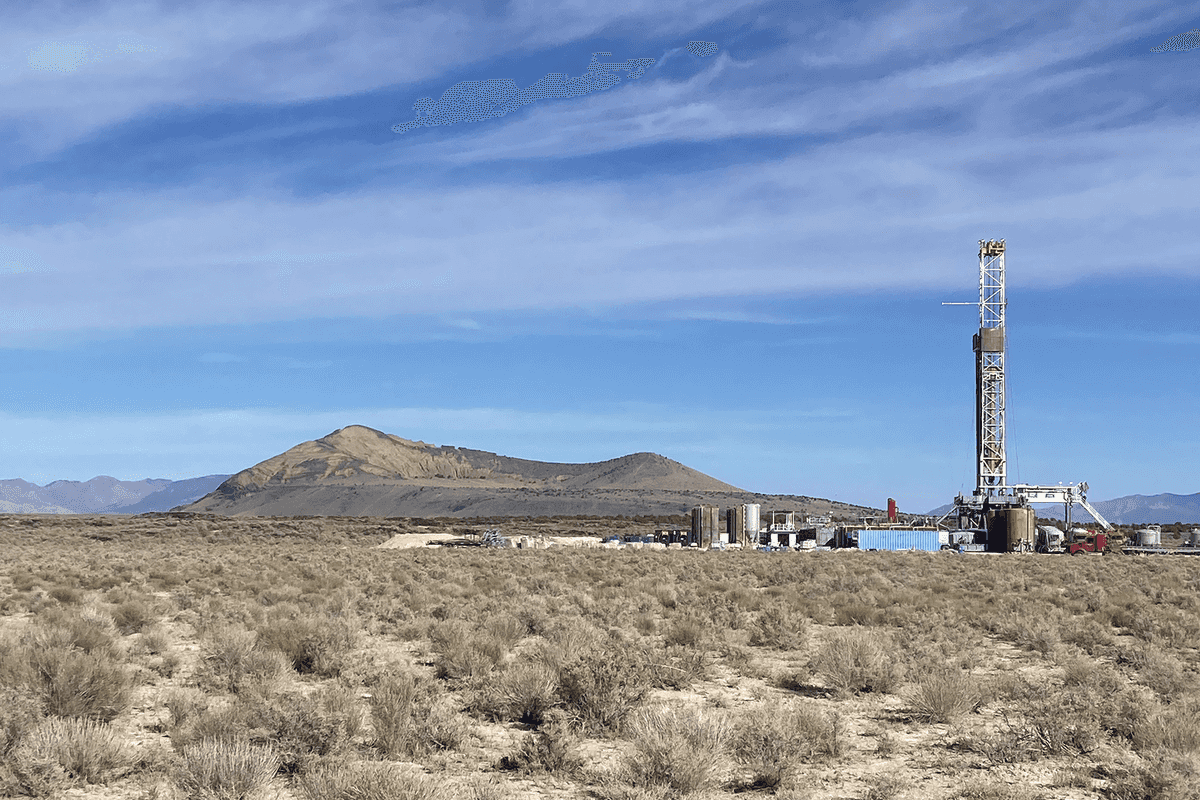
Fervo Energy has unlocked multigigawatt potential from a new geothermal energy site. Photo courtesy Fervo Energy.

Things are heating up at Houston-based geothermal power company Fervo Energy. Fervo recently drilled its hottest well so far at a new geothermal site in western Utah. Fewer than 11 days of drilling more than 11,000 feet deep at Project Blanford showed temperatures above 555 degrees Fahrenheit, which exceeds requirements for commercial viability. Fervo used proprietary AI-driven analytics for the test. Continue reading.

2. Texas could topple Virginia as biggest data-center market by 2030, JLL report says

A new report shows the role Texas could play as the data-center sector enters "hyperdrive." Photo via JLL.com.

Everything’s bigger in Texas, they say—and that phrase now applies to the state’s growing data-center presence. A new report from commercial real estate services provider JLL says Texas could overtake Northern Virginia as the world’s largest data-center market by 2030. Northern Virginia is a longtime holder of that title. Continue reading.

3. Texas claims No. 1 spot on new energy resilience report

Texas outpaced the rest of the country in a new energy resilience report, despite grid challenges and rising AI demand. Photo courtesy of ERCOT

A new report by mineral group Texas Royalty Brokers ranks Texas as the No. 1 most energy-resilient state. The study focused on four main sources of electricity in hydroelectric dams, natural gas plants, nuclear reactors and petroleum facilities. Each state was given an Energy Resilience Score based on size and diversity of its power infrastructure, energy production and affordability for residents. Continue reading.

4. Texas' oil and gas foundation could boost its geothermal future, UH says
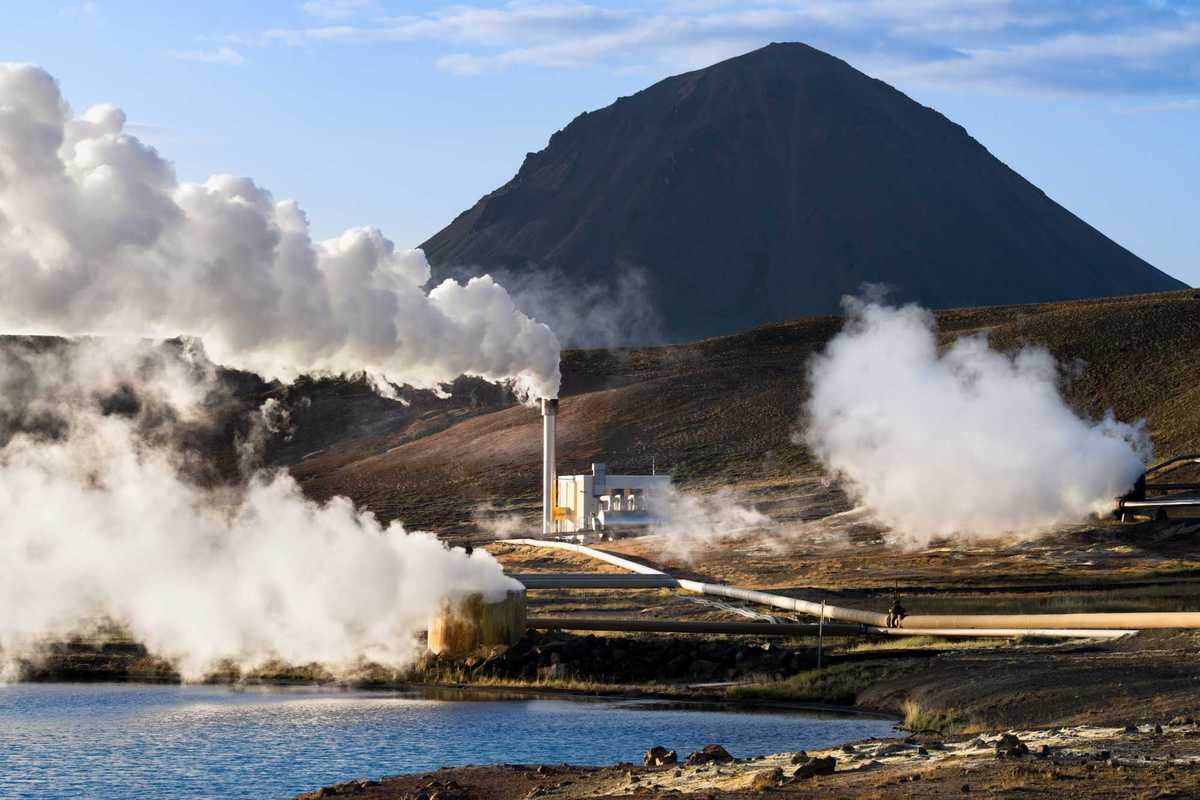
A new UH white paper says that Texas is poised to lead advanced geothermal due to its oil and gas skills and capacity. Photo via UH.edu.

Equipped with the proper policies and investments, Texas could capitalize on its oil and gas infrastructure and expertise to lead the U.S. in development of advanced geothermal power, a new University of Houston white paper says. Continue reading.

5. HETI leader reflects on four years focused on the energy transition
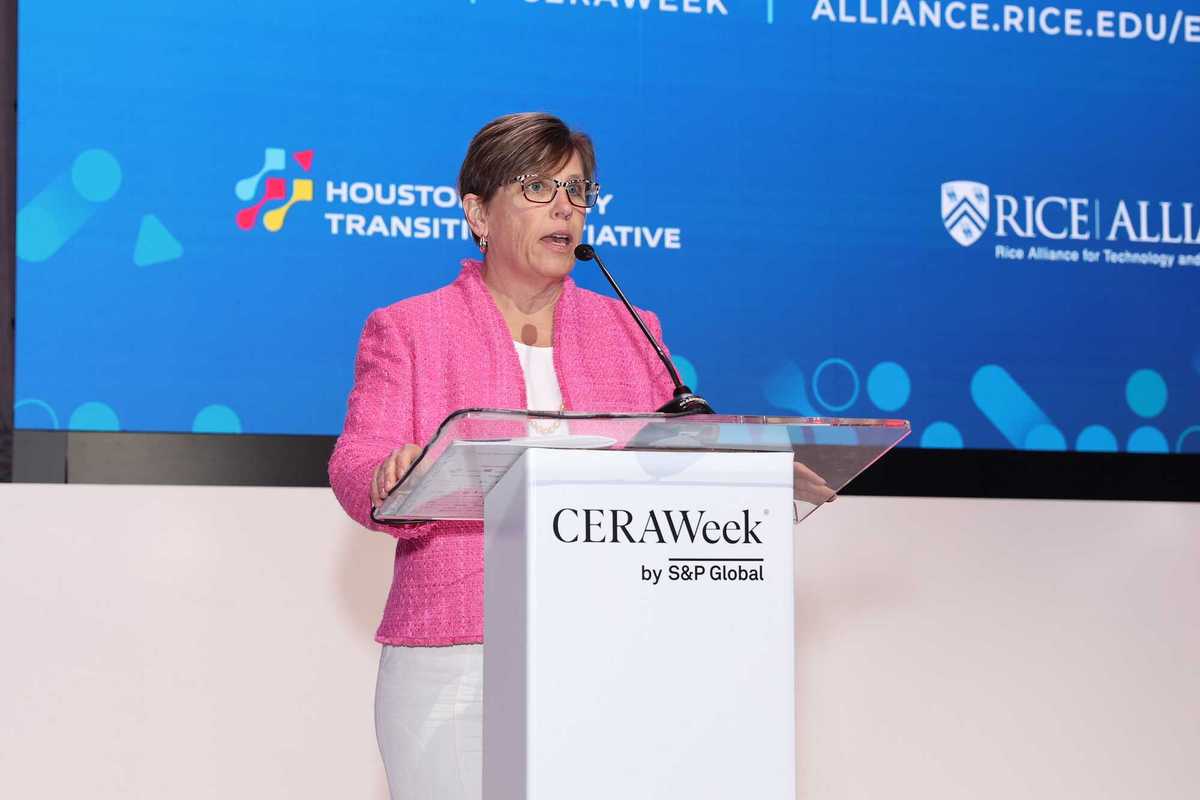
Jane Stricker reflects on four years at HETI. Courtesy photo

It’s hard to believe only four years have passed since I joined the Greater Houston Partnership to lead the Houston Energy Transition Initiative. We talk about COVID years feeling simultaneously like just yesterday and a lifetime ago, and my time at HETI feels quite similar. The energy and climate landscape has evolved dramatically over the last few years, but one constant has endured…Houston remains at the heart of the energy industry. Continue reading.

Trending News

A View From HETI

Merab Momen, founder of AI CTO Services. Courtesy Photo

Artificial intelligence is now everywhere. It is mentioned in every startup pitch deck, and every corporate roadmap claims to use it. However, many early-stage businesses struggle with the simple question, “What does AI actually mean for my business?”

In a recent podcast episode of EnergyTech Startups, Merab Momen, founder of AI CTO Services and a long time AI practitioner, explains why most founders misunderstand AI, how startups can practically apply it and why Houston is quietly becoming a serious hub for AI-driven innovation.

Filling the AI Leadership Gap

Merab’s career has spanned decades of technology transitions. He worked on neutral networks in the 1990s, constructed computer vision systems long before they were common, and helped install AI solutions inside huge industrial companies. However, he noticed a huge problem when generative AI started to explode into the mainstream-The requirement of a real partner by the founders for AI integration but inability to rely on a full-time CTO and project-based consultants.

“I really needed something which is much more engaging where I can give that partner-level advice to the founders,” he said. By giving firms on-demand access to high-level AI knowledge and expertise, his methodology enables them to analyse tools, steer clear of cost blunders and eventually transition to a permanent technology leader when the time is right.

AI is Older than Most People Think

Despite its recent rise in popularity, AI is nothing new. AI actually began in the 1950s. Merab in his conversation explained how he worked on his first AI project back in the year 1996 that worked perfectly, but the processing power wasn’t just there to make it practical. He continued how he utilized the swarm intelligence models to optimize supply chains, now referred to as MLPOs and data engineering.

From Language Models to Physical World

Much of the public conversation about AI revolves around chatbots and text generation. But Merab sees far greater potential in AI’s interaction with the physical world, especially in industrial settings. He emphasized edge computing and vision language models (VLMs) as significant advances in manufacturing and energy. This physical shift is opening doors for new opportunities for robotics, automated inspections, and industrial safety applications. Merab added that Houston is uniquely positioned for this transition.

Why Houston has an AI Advantage

Silicon Valley may dominate the AI headlines, but Merab believes Houston’s advantage lies beneath the surface. The city doesn’t lag in AI utilization; it just operates in industries where results show differently.

Machine learning isn’t new to Houston’s core industries. Energy companies, manufacturers, logistics providers, and healthcare systems have been using advanced analytics for decades. The difference lies in them innovating in industrial sectors rather than consumer technology.

What’s Next

With the AI CTO Services growing, Merab is working with startups across industries to deploy AI in practical, business-first ways.

He is more interested in assisting founders in finding answers to critical issues than following new trends.

For Houston’s energy and climate tech community, it needs to transform AI enthusiasm into real-world impact.

Listen to the full conversation with Mehrab Momin on the Energy Tech Startups Podcast to learn more.

---

Energy Tech Startups Podcast is hosted by Jason Ethier and Nada Ahmed. It delves into Houston's pivotal role in the energy transition, spotlighting entrepreneurs and industry leaders shaping a low-carbon future.


Trending News