








Editor's note: From recent M&A activity to a recent report on AI, these are the top headlines that resonated with EnergyCapital readers on social media and daily newsletter this week.
Shell shrinks renewable portfolio yet again with latest divestment
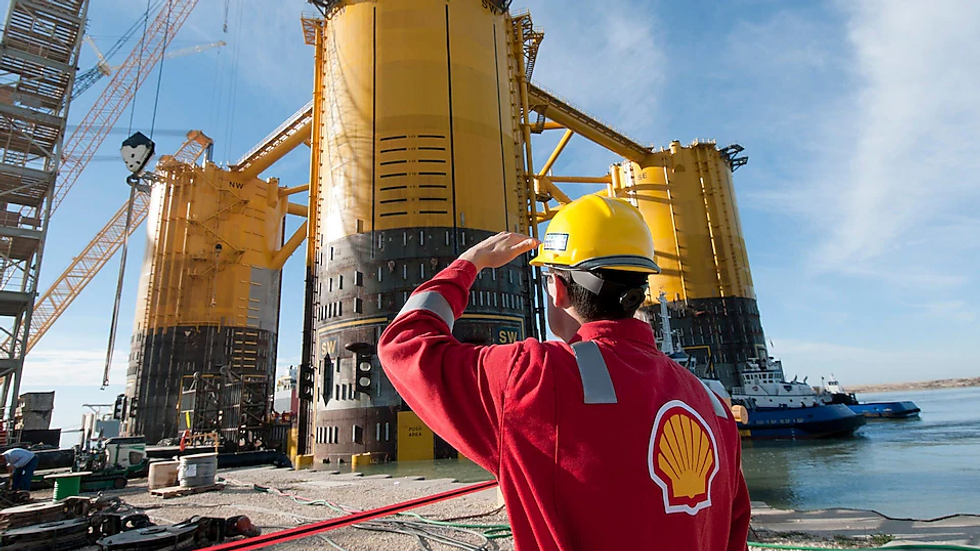
Shell’s Savion subsidiary, which the energy giant acquired in 2021, plans to sell about one-fourth of its solar generation and storage assets. Photo via shell.us
In a move aimed at focusing more on its oil and gas business, Houston-based Shell USA continues to scale back its wind and solar energy portfolio.
The Reuters news service reported February 29 that Shell’s Savion subsidiary, which the energy giant acquired in 2021, plans to sell about one-fourth of its solar generation and storage assets. These assets represent as much as 10.6 gigawatts of generation and storage capacity.
This development follows the completion in early February of deals for Kansas City, Missouri-based Savion to sell its 50 percent stake in a solar energy project in Ohio and for Houston-based Shell Wind Energy to sell its 60 percent stake in a wind farm in Texas. Continue reading.
Houston rises as emerging hub for $6B global AI in oil and gas industry, per new report

The research outfit says North America leads global AI growth in oil and gas, with Houston playing a pivotal role. Image via Shutterstock
Houston is emerging as a hub for the development of artificial intelligence in the oil and gas industry — a global market projected to be worth nearly $6 billion by 2028.
This fresh insight comes from a report recently published by ResearchAndMarkets.com. The research outfit says North America leads global AI growth in oil and gas, with Houston playing a pivotal role.
“With AI-driven innovation at its core, the oil and gas industry is set to undergo a profound transformation, impacting everything from reservoir optimization to asset management and energy consumption strategies — setting a new standard for the future of the sector,” says ResearchAndMarkets.com. Continue reading.
McKinsey acquires Houston-area co. to enhance sustainability services
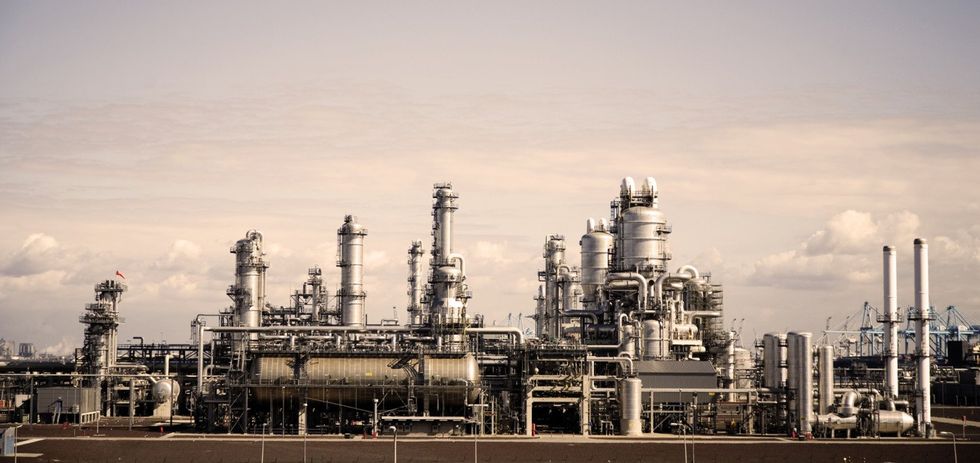
According to McKinsey data, more than $3.5 trillion will be invested in green hydrogen, carbon capture, renewable energy, and other projects that are working toward net-zero transition by 2050. Photo via ses-estimating.com
A global management consulting company has executed on an acquisition key to its plans amid the energy transition.
McKinsey & Company announced the acquisition of Strategic Estimating Systems, a Sugar Land-based consulting firm specializing in cost estimation for oil, gas, and chemical process industries. The acquisition provides McKinsey with enhanced benchmarking capabilities across capital project management — especially within the energy transition. The terms of the deal were not disclosed.
"The capital projects ecosystem is presented with a once-in-a-generation chance to aid in transforming economies to achieve net zero," Justin Dahl, partner and global leader of McKinsey & Company's Capital Analytics, says. Continue reading.
Houston orgs name student, industry teams for CERAWeek pitch competition
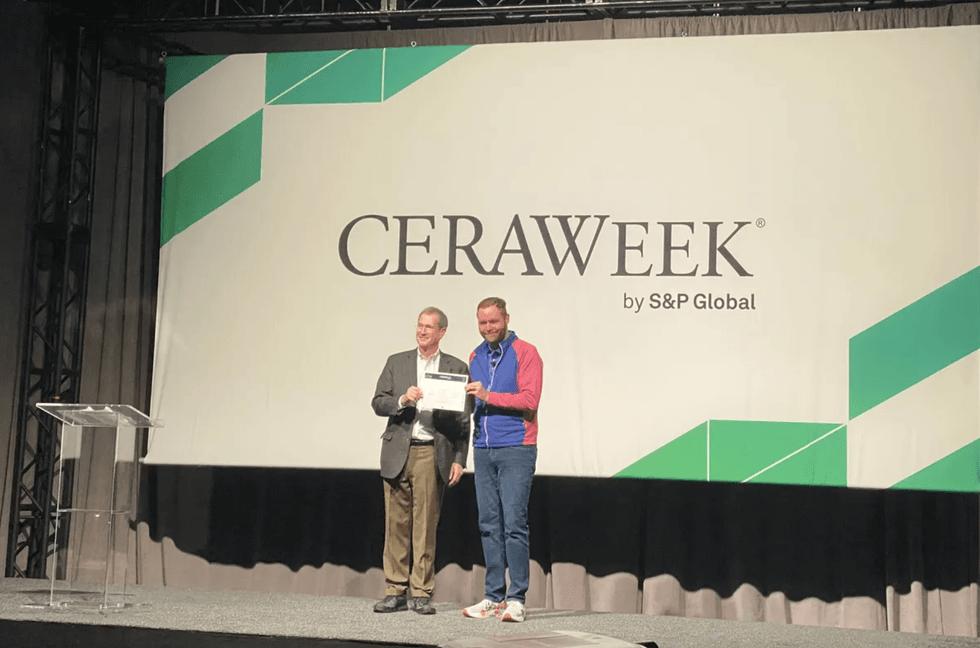
Nearly 40 climatetech startups will pitch at this upcoming CERAWeek event from HETI, the Rice Alliance, and TEX-E. Photo by Natalie Harms
The Rice Alliance for Technology and Entrepreneurship, the Houston Energy Transition Initiative and the Texas Entrepreneurship Exchange for Energy announced the 39 energy ventures that will pitch at 2024 Energy Venture Day and Pitch Competition during this month's CERAWeek.
The ventures are focused on driving efficiency and advancements toward the energy transition and will each present a 3.5-minute pitch before venture capitalists, corporate innovation groups, industry leaders, academics, and service providers during CERAWeek's Agora program.
The pitch competition is divided up into the TEX-E university track, in which Texas student-led energy startups compete for $50,000 in cash prizes, and the industry ventures track. Continue reading.
Houston-based female business leader named changemaker amid energy transition

EDP Renewables North America announced its CEO Sandhya Ganapathy has been named to CNBC’s inaugural Changemakers: Women Transforming Business list.
A Houston renewable energy developer CEO has scored a prestigious spot on a list of changemakers.
EDP Renewables North America announced its CEO Sandhya Ganapathy has been named to CNBC’s inaugural Changemakers: Women Transforming Business list. Ganapathy was recognized for ESG and ED&I Initiatives while helping to advance the clean energy transition.
The new list recognizes female leaders at companies and philanthropic organizations that have achieved impactful financial and business milestones.
“Thank you to CNBC for recognizing the leadership and groundbreaking initiatives the women on this list have achieved,” the company said in a statement on LinkedIn. “As our renewable energy market sector continues to progress and expand, we will need everyone in our industry to be a #changemaker to ensure #reliable, #costeffective, #homegrown energy is accessible to all.” Continue reading.