








Editor's note: As 2025 comes to a close, we're revisiting the biggest headlines and major milestones of the energy transition sector this year. Here are six major acquisitions that fueled the Houston energy industry in 2025:
Houston-based Calpine Corp. to be acquired in clean energy megadeal
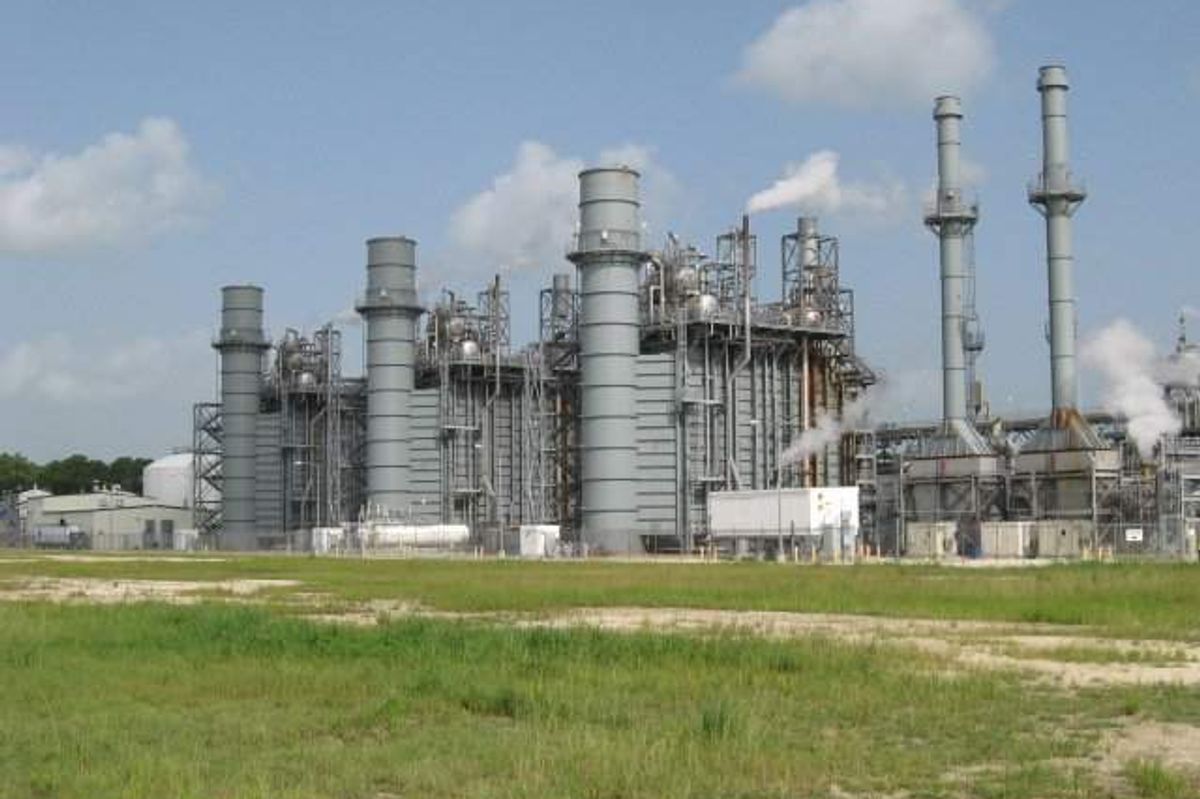
Houston's Calpine Corp. will be acquired by Baltimore-based nuclear power company Constellation Energy Corp. Photo via DOE
In January 2025, Baltimore-based nuclear power company Constellation Energy Corp. and Houston-based Calpine Corp. entered into an agreement where Constellation would acquire Calpine in a cash and stock transaction with an overall net purchase price of $26.6 billion. The deal received final regulatory clearance this month.
Investment giant to acquire TXNM Energy for $11.5 billion

Blackstone Infrastructure, an affiliate of Blackstone Inc., will acquire a major Texas electricity provider. Photo via Shutterstock
In May 2025, Blackstone Infrastructure, an investment giant with $600 million in assets under management, agreed to buy publicly traded TXNM Energy in a debt-and-stock deal valued at $11.5 billion. The deal recently cleared a major regulatory hurdle, but still must be approved by the Public Utility Commission of Texas.
Houston's Rhythm Energy expands nationally with clean power acquisition

PJ Popovic, founder and CEO of Houston-based Rhythm Energy, which has acquired Inspire Clean Energy. Photo courtesy of Rhythm
Houston-based Rhythm Energy Inc. acquired Inspire Clean Energy in June 2025 for an undisclosed amount. The deal allowed Rhythm to immediately scale outside of Texas and into the Northeast, Midwest and mid-Atlantic regions.
Houston American Energy closes acquisition of New York low-carbon fuel co.

Houston American Energy Corp. has acquired Abundia Global Impact Group, which converts plastic and certified biomass waste into high-quality renewable fuels. Photo via Getty Images.
Renewable energy company Houston American Energy Corp. (NYSE: HUSA) acquired Abundia Global Impact Group in July 2025. The acquisition created a combined company focused on converting waste plastics into high-value, drop-in, low-carbon fuels and chemical products.
Chevron gets green light on $53 billion Hess acquisition

With the deal, Chevron gets access to one of the biggest oil finds of the decade. Photo via Chevron
In July 2025, Houston-based Chevron scored a critical ruling in Paris that provided the go-ahead for a $53 billion acquisition of Hess and access to one of the biggest oil finds of the decade. Chevron completed its acquisition of Hess shortly after the ruling from the International Chamber of Commerce in Paris.
Investors close partial acquisition of Phillips 66 subsidiary with growing EV network

Two investment firms have scooped up the majority stake in JET, a subsidiary of Phillips 66 with a rapidly growing EV charging network. Photo via Jet.de Facebook.
In December 2025, Energy Equation Partners, a London-based investment firm focused on clean energy companies, and New York-based Stonepeak completed the acquisition of a 65 percent interest in JET Tankstellen Deutschland GmbH, a subsidiary of Houston oil and gas giant Phillips 66.