








Editor's note: From a podcast with a geothermal energy tech leader to a new report on climatetech funding in Houston, these are the top headlines that resonated with EnergyCapital readers on social media and daily newsletter this week.
Houston geothermal entrepreneur gears up 100x business growth
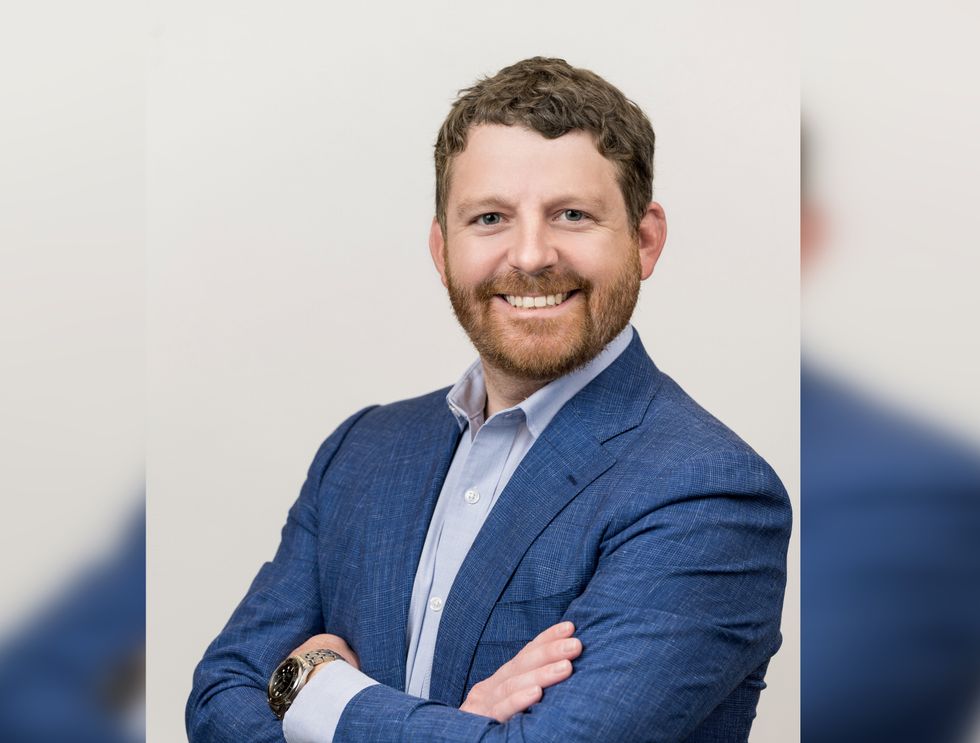
Tim Latimer, CEO and co-founder of Fervo Energy, joins the Houston Innovators Podcast to share his story as a reluctant entrepreneur who's headed toward 100x business growth. Photo courtesy of Fervo Energy
Geothermal energy has been growing in recognition as a major player in the clean energy mix, and while many might think of it as a new climatetech solution, Tim Latimer, co-founder and CEO of Fervo Energy, knows better.
"Every overnight success is a decade in the making, and I think Fervo, fortunately — and geothermal as a whole — has become much more high profile recently as people realize that it can be a tremendous solution to the challenges that our energy sector and climate are facing," he says on the Houston Innovators Podcast.
In fact, Latimer has been bullish on geothermal as a clean energy source since he quit his job as a drilling engineer in oil and gas to pursue a dual degree program — MBA and master's in earth sciences — at Stanford University. He had decided that, with the reluctance of incumbent energy companies to try new technologies, he was going to figure out how to start his own company. Through the Stanford program and Activate, a nonprofit hardtech program that funded two years of Fervo's research and development, Latimer did just that. Continue reading.
With $200M raised last year, Houston cleans up on new report tracking climatetech funding
According to a new report, Houston attracted the fifth most climatetech funding last year in the United States. Photo via Getty Images
Climatech funding for Houston-area startups crept toward the $200 million mark in 2023 — putting it ahead of Dallas-Fort Worth, Austin, and several other major metro areas and making it a standout among U.S. climatech hubs.
Last year, the Houston area collected $199.94 million in climatech funding across 14 deals, according to PitchBook data analyzed by Revolution Growth, a venture capital firm based in Washington, D.C.
“With its deep-rooted energy sector, Houston is an attractive HQ for companies innovating within renewable energy, carbon capture, and emissions reduction,” Revolution says. “Partnerships with oil and gas companies also provide unique collaboration opportunities for climate tech startups, accelerating market adoption and helping companies achieve scale quickly.” Continue reading.
Houston university inks partnership with giant French research institution
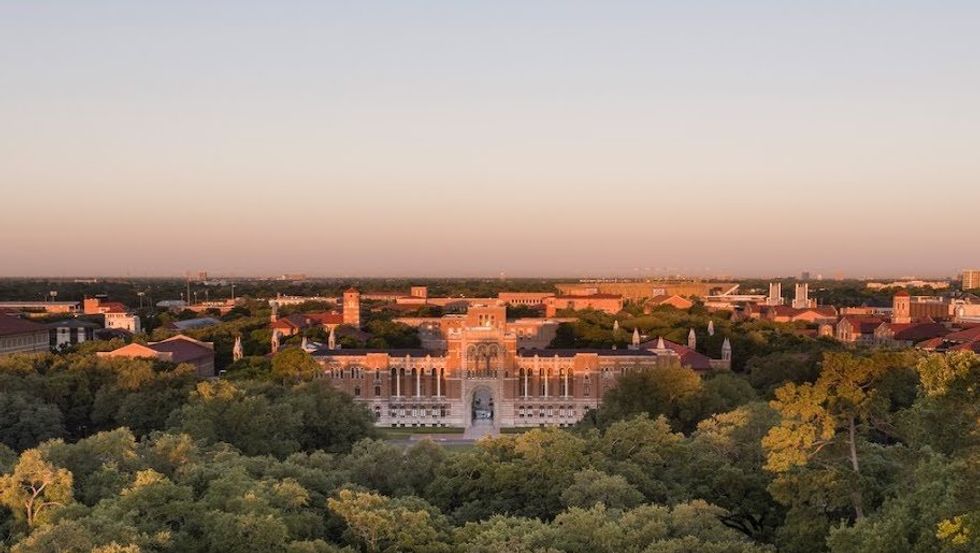
The two entities will collaborate on work focused on "fields of energy and climate; quantum computing and artificial intelligence; global health and medicine; and urban futures." Photo via Rice University
Rice University and Université Paris Sciences & Lettres signed a strategic partnership agreement last week that states that the two institutions will work together on research on some of today's most pressing subject matters.
According to an announcement made on May 13 in Paris, the two schools and research hubs will collaborate on work focused on "fields of energy and climate; quantum computing and artificial intelligence; global health and medicine; and urban futures."
The partnership allows Rice to expand its presence in France, after launching its Rice Global Paris Center about two years ago. Continue reading.
BP donates $200,000 to Houston school system's EV training program
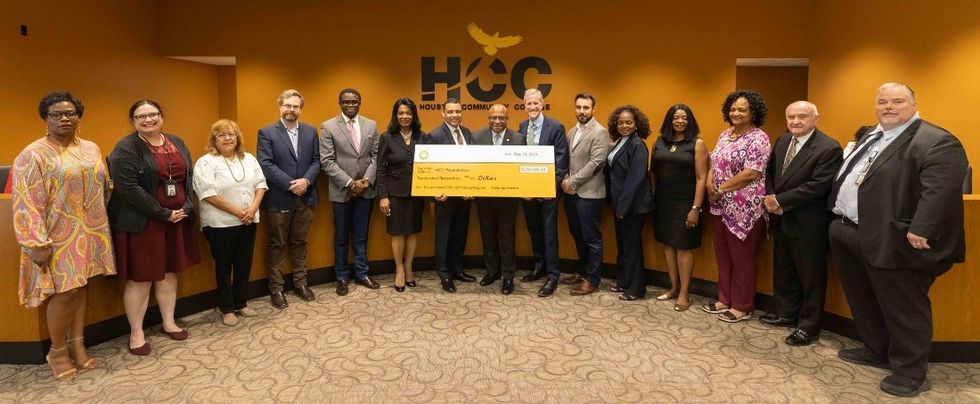
HCC's Transportation Center of Excellence Electric Vehicle training program received a donation of $200,000 from BP America. Photo courtesy of HCC
BP America agreed to donate a large sum to Houston Community College in order to support the future of the city's electric vehicle workforce.
During the Board of Trustees meeting, HCC's Transportation Center of Excellence Electric Vehicle training program received a donation of $200,000 from BP America. The program plans to use the funds for a safety and fundamentals course for more than 300 City of Houston’s and Harris County fleet department employees, which equips technicians to repair and maintain EVs.
“We are delighted to be at the forefront of this important education to equip Houstonians with the knowledge and skills to maintain electric vehicles,” Chancellor Margaret Ford Fisher says in a news release. “This generous donation is a win for the partners involved and for helping to ensure a sustainable future.” Continue reading.
Houston students selected for prestigious DOE program
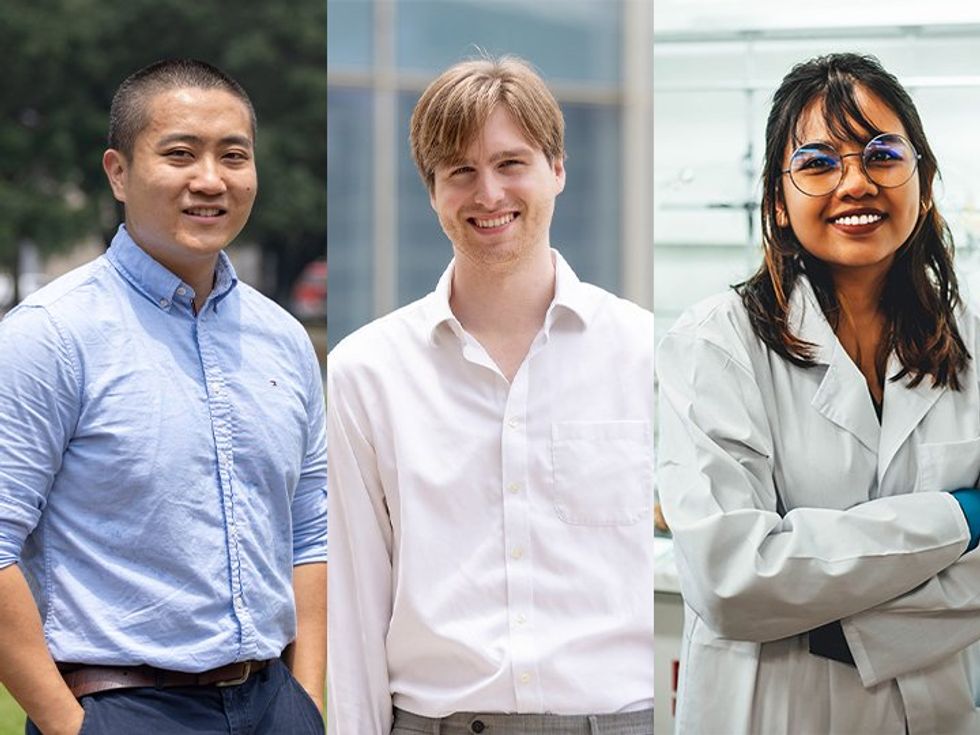
The DOE program allows graduate students to work on research projects that address national and international energy, environmental, and nuclear challenges. Photo via UH.edu
Three rising stars in the energy sector who are graduate students at the University of Houston have been chosen for a prestigious U.S. Department of Energy research program.
UH doctoral candidates Caleb Broodo, Leonard Jiang, and Farzana Likhi, are among 86 students from 31 states who were selected for the Office of Science Graduate Student Research program, which provides training at Department of Energy (DOE) labs.
“This recognition is a testament to their hard work and dedication to pushing the boundaries of science, and to our commitment to fostering excellence in research and innovation,” Sarah Larsen, vice provost and dean of the UH’s graduate school, says. Continue reading.