








Editor's note: From a nonprofit leader's next step leading clean hydrogen to a new energy transition program at Rice Univeristy, these are the top headlines that resonated with EnergyCapital readers on social media and daily newsletter this week.
ExxonMobil extends European fuel cell pilot project

The pilot project is a cornerstone of an extended agreement between ExxonMobil Technology and Engineering and Danbury, Connecticut-based clean energy company FuelCell Energy. Photo via exxonmobil.be
The Esso fuel business of Spring-based ExxonMobil is forging ahead with a pilot project at its Dutch refinery in Rotterdam to test technology aimed at reducing carbon emissions and simultaneously generating electricity and hydrogen.
The pilot project is a cornerstone of an extended agreement between ExxonMobil Technology and Engineering and Danbury, Connecticut-based clean energy company FuelCell Energy. The deal is now set to expire at the end of 2026.
ExxonMobil and FuelCell announced the pilot project in 2023.
“The unique advantage of this technology is that it not only captures CO2 but also produces low-carbon power, heat, and hydrogen as co-products,” Geoff Richardson, senior vice president of ExxonMobil Low Carbon Solutions, said last year. Continue reading.
Nonprofit leader to step down, focus on expanding Houston's hydrogen economy
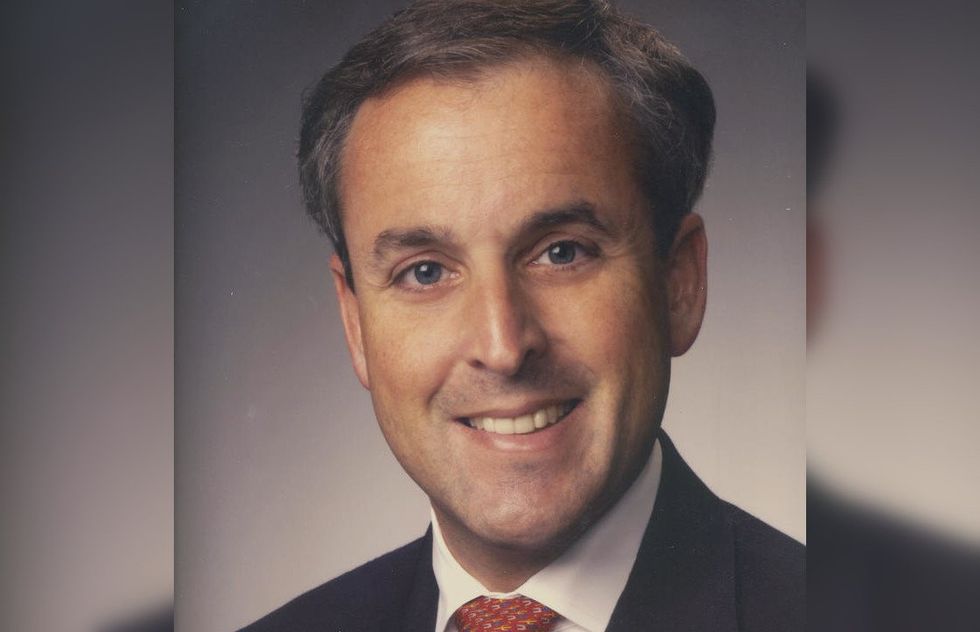
Brett Perlman has been with the Center for Houston’s Future for seven years. Photo via LinkedIn
The leader of a local organization that supports strategic initiatives in energy, health care, and immigration has announced his succession plans.
Brett Perlman, CEO of the Center for Houston’s Future, wrote in a letter to the community, that he will be stepping down once a replacement has been named.
"I believe that our clean hydrogen project has now grown to the point where it requires my full time attention to achieve the vision of making Houston a global clean hydrogen leader," he writes.
"I would like to now focus my attention on creating a broad-based clean hydrogen industry network, on working to make sure our efforts lift all segments of our community and on seeking to attract more private investment to this sector," he continues in the letter. "These are big challenges and it will take a singular effort to achieve these goals." Continue reading.
Rice University introduces new program for energy transition, sustainability
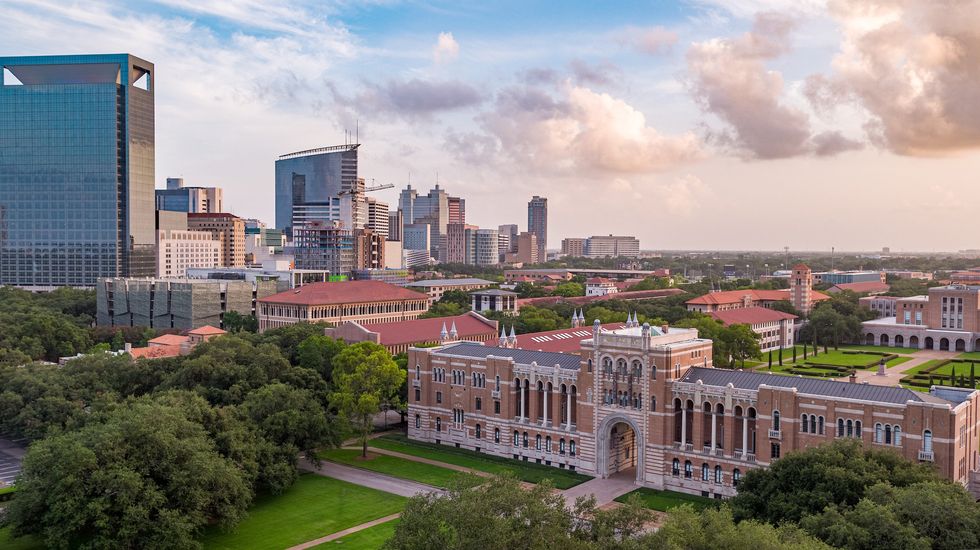
A new program at Rice University will educate recent graduates or returning learners on key opportunities within energy transition. Photo via Rice
A Houston university has committed to preparing the workforce for the future of energy with its newest program.
Rice University announced plans to launch the Master of Energy Transition and Sustainability, or METS, in the fall. The 31 credit-hour program, which is a joint initiative between Rice's George R. Brown School of Engineering and the Wiess School of Natural Sciences, "will train graduates to face emergent challenges in the energy sector and drive innovation in sustainability across a wide range of domains from technology to economics and policy," according to the university.
“We believe that METS graduates will emerge as leaders and innovators in the energy industry, equipped with the skills and knowledge to drive sustainable solutions,” Rice President Reginald DesRoches says in the release. “Together we can shape a brighter, more resilient and cleaner future for generations to come.” Continue reading.
Here's how Texas ranks among the greenest states

It might only be Texas' grass that is green. Photo via Getty Images
Turns out — Texas might not be as green as you thought.
A new report from WalletHub looked at 25 key metrics — from green buildings per capita to energy consumption from renewable resources — to evaluate the current health of states' environment and residents’ environmental-friendliness. Texas ranked No. 38, meaning it was the thirteenth least green state, only scoring 50.40 points out of 100.
“It’s important for every American to do their part to support greener living and protect our environment. However, it’s much easier being green in some states than others," writes Cassandra Happe, a WalletHub Analyst, in the report. "For example, if a state doesn’t have a great infrastructure for alternative-fuel vehicles, it becomes much harder for residents to adopt that technology. Living in a green state is also very beneficial for the health of you and your family, as you benefit from better air, soil and water quality.” Continue reading.
Houston company's $1.8B project off Texas coast gets Biden administration amid environmental protests

The Sea Port Oil Terminal being developed off Freeport, Texas, will be able to load two supertankers at once, with an export capacity of 2 million barrels of crude oil per day. Photo via Getty Images
In a move that environmentalists called a betrayal, the Biden administration has approved the construction of a deepwater oil export terminal off the Texas coast that would be the largest of its kind in the United States.
The Sea Port Oil Terminal being developed off Freeport, Texas, will be able to load two supertankers at once, with an export capacity of 2 million barrels of crude oil per day. The $1.8 billion project by Houston-based Enterprise Products Partners received a deepwater port license from the Department of Transportation's Maritime Administration this week, the final step in a five-year federal review.
Environmentalists denounced the license approval, saying it contradicted President Joe Biden's climate agenda and would lead to “disastrous” planet-warming greenhouse gas emissions, equivalent to nearly 90 coal-fired power plants. The action could jeopardize Biden's support from environmental allies and young voters already disenchanted by the Democratic administration's approval last year of the massive Willow oil project in Alaska.
“Nothing about this project is in alignment with President Biden’s climate and environmental justice goals,'' said Kelsey Crane, senior policy advocate at Earthworks, an environmental group that has long opposed the export terminal. Continue reading.