








Editor's note: It's been a busy news week for energy transition in Houston, and some of this week's headlines resonated with EnergyCapital readers on social media and daily newsletter. Trending news included Rice Alliance naming its Energy Tech Venture Day participants, Equinor opting in to a CCS project on the Gulf Coast, and more.
Exclusive: Rice Alliance announces participants ahead of 20th annual energy symposium
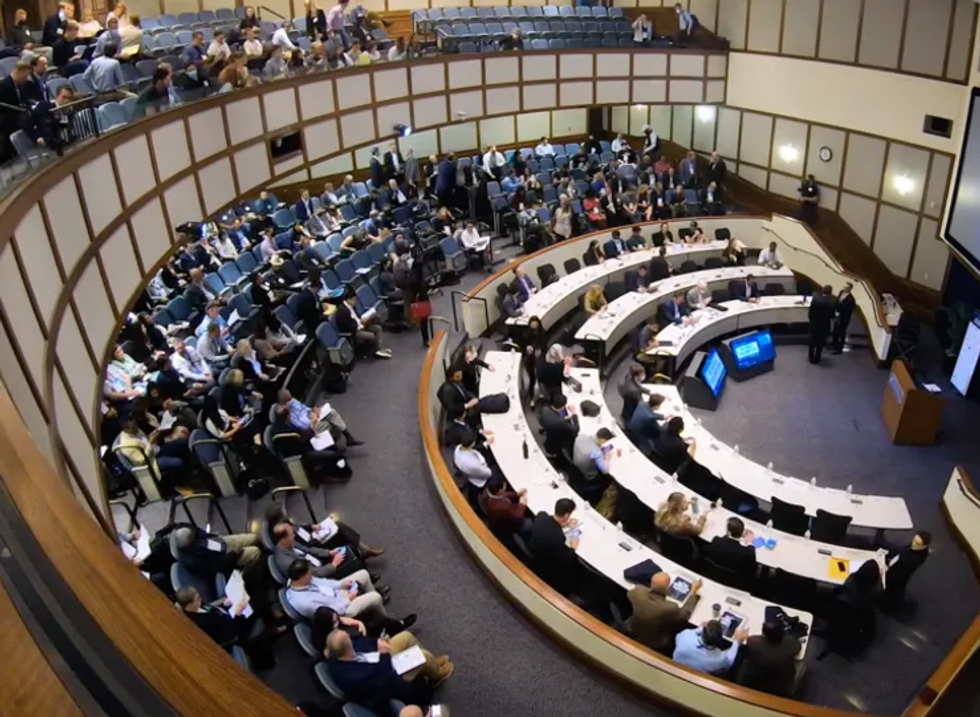
Next month, 96 startups will pitch at an annual event focused on the future of energy. Here's who will be there. Photo via rice.edu
Dozens of companies will be a part of an upcoming energy-focused conference at Rice University — from climate tech startups to must-see keynote speakers.
The 20th annual Rice Alliance Energy Tech Venture Forum will take place on September 21 at Rice University’s Jones Graduate School of Business. Anyone who's interested in learning more about the major players in the low-carbon future in Houston and beyond should join the industry leaders, investors, and promising energy and cleantech startups in attendance.
This year's keynote speakers include Christina Karapataki, partner at Breakthrough Energy Ventures, the venture capital fund backed by Bill Gates; Scott Nyquist, vice chairman at Houston Energy Transition Initiative, founded by the Greater Houston Partnership; and Jeff Tillery, COO at Veriten. Read more.
Equinor buys into massive CCS joint venture project near Houston

Through an acquisition, Equinor has joined a joint venture carbon capture and storage project in southeast Texas. Image via Getty Images
A Norwegian energy company with its United States headquarters in Houston has announced it has acquired a significant chunk of a carbon capture and storage joint venture.
Equinor now owns a 25 percent interest in Bayou Bend CCS LLC, which is reported to be one of the largest domestic carbon capture and storage projects. The project — a JV between Chevron, Talos Energy Inc., and now Equinor, is located along the Gulf Coast in southeast Texas. The terms of the deal were not disclosed
“Commercial CCS solutions are critical for hard-to-abate industries to meet their climate ambitions while maintaining their activity," Grete Tveit, senior vice president for Low Carbon Solutions in Equinor, says in a news release. "Entering Bayou Bend strengthens our low carbon solutions portfolio and supports our ambition to mature and develop 15-30 million tonnes of equity CO2 transport and storage capacity per year by 2035. Our experience from developing carbon storage projects can help advance decarbonization efforts in one of the largest industrial corridors in the US." Read more.
New Houston company launches to turn recycled materials into fuel

Tired of slow tire decomposition? This Houston company has a solution. Photo via InnoVentRenewables.com
Every year, over a billion tires are disposed of globally, and, while in use, tires are used to reach maximum speed on the road, their decomposition times are inordinately slow.
Houston-based InnoVent Renewables has a solution. The company launched this week to drive renewable energy forward with its proprietary continuous pyrolysis technology that is able to convert waste tires, plastics, and biomass into fuels and chemicals.
“We are thrilled to formally launch InnoVent Renewables and plan to ramp-up operations into early 2024," InnoVent Renewables CEO Vibhu Sharma says in a news release. “Our investors, strategic advisors, and management team are all fully committed to our success as we address the global challenge of waste tires. We firmly believe our proven process, deployed at scale globally, will have a huge positive impact on our climate and fill a clear environment need.” Read more.
French company to acquire Houston-based battery storage startup in $1B deal
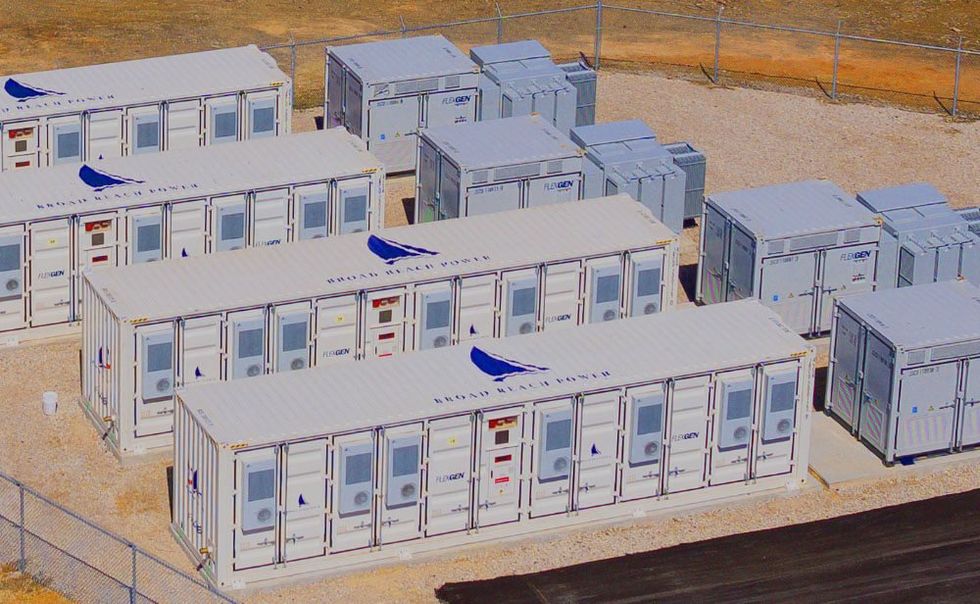
Broad Reach Power's battery storage assets piqued a French company's interest. Photo via broadreachpower.com
A French utility company is buying the bulk of Houston-based Broad Reach Power’s battery energy storage business in a deal carrying an equity value of more than $1 billion.
Engie, has agreed to purchase the majority of the startup’s battery storage business from EnCap Energy Transition Fund I and three investment partners — New York City-based Yorktown Partners, Switzerland-based Mercuria Energy, and New York City-based Apollo Infrastructure Funds.
“This acquisition is fully in line with Engie’s strategy: It will contribute to the development of a low-carbon, affordable, and resilient energy system where flexible assets will play a critical role alongside renewables,” says Catherine MacGregor, the utility’s CEO. Read more.
How this 78-year-old Houston chemical company is evolving as an energy tech leader
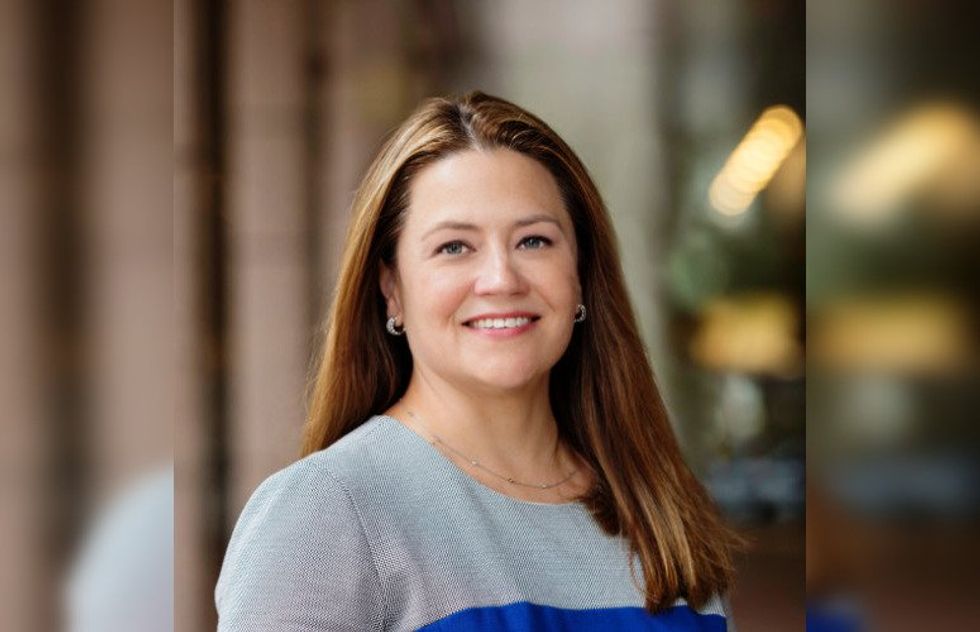
“When we were founded, we were a chemical company. Today, we have morphed into a technology company,” says Kendra Lee, CEO of Merichem. Photo via LinkedIn
Kendra Lee had no designs on running the family business.
“In fact, I never planned on being a part of Merichem,” Lee recalls.
In 1945, Lee’s grandfather, John T. Files, and a pair of business partners founded the company in Houston. Their goal was to take a potential waste product and turn it into something that would benefit the oil and gas industry — an early attempt at sustainability.
What started as a soap and industrial cleaning company began procuring cresylate, which is a waste from the refineries treating gasoline, to recover spent cresylic acids, which are highly caustic, and refine them so they could be sold into the industrial chemicals market. Read more.