coming soon
Japanese company plans $357M solar manufacturing plant in Houston area
Japanese solar manufacturing company TOYO Co. Ltd. plans to invest $357 million to bring a 1.5-gigwatt solar cell manufacturing facility to the Houston area.
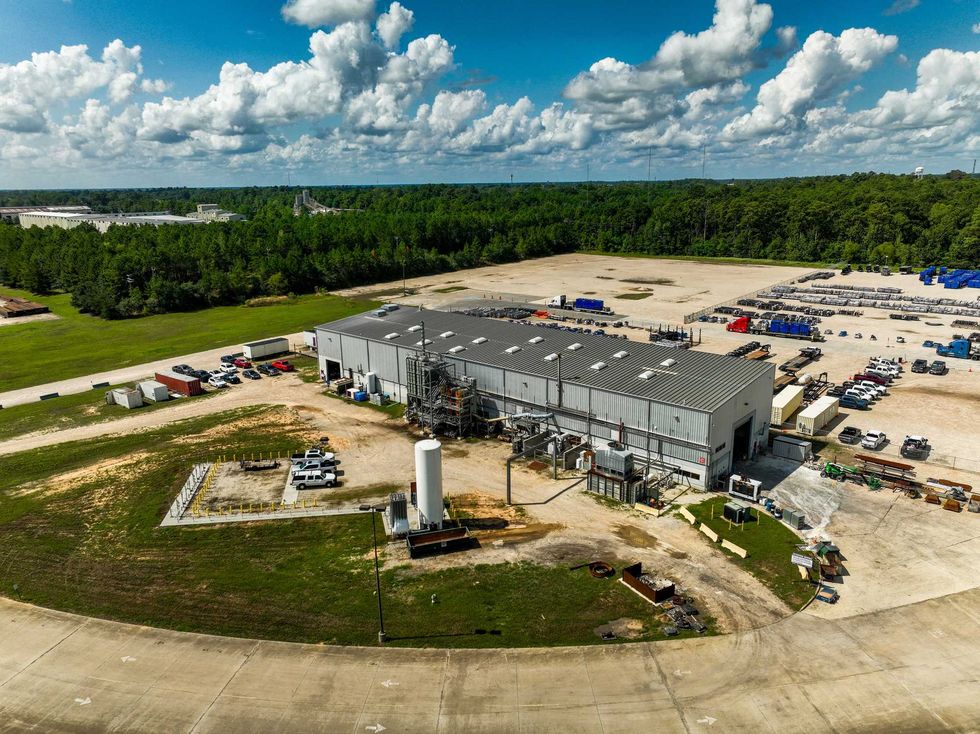
TOYO’s latest state-of-the-art facility will be co-located at its existing solar module site in Humble, according to a news release from the company. It will produce heterojunction (HJT) solar cells, which are known to be more durable and efficient with a higher heat threshold.
TOYO reports that the new facility will create 400 full-time manufacturing jobs. The project is expected to be completed in 20 months, which includes an initial pilot production.
"Expanding into domestic cell manufacturing is the natural next step in our commitment to creating an integrated onshore solar supply chain from polysilicon to panels," Takahiko Onozuka, chairman and CEO of TOYO, said in the news release. "Co-locating 1.5 GW of HJT cell capacity at our Houston module site significantly optimizes our capital allocation and infrastructure spend.”
TOYO entered the Houston market in 2024 through its acquisition of a majority stake in Solar Plus Technology Texas LLC.
Earlier this year, it began producing solar modules at its 567,140-square-foot plant in Lovett Industrial’s Nexus North Logistics Park. At the time, the company said it planned to expand manufacturing capacity to 6.5 gigawatts.
"The new cell plant reflects TOYO's long-term strategy to build a fully FEOC-compliant domestic manufacturing platform focused on serving the needs of the U.S. utility-scale solar market," Rhone Resch, TOYO's chief strategy officer, added in the release. "By producing premium solar products in the United States, we will be well positioned to meet the market's evolving domestic content requirements while strengthening supply chain security and reliability. Looking ahead, we believe HJT is the optimal technology platform for integrating next-generation perovskite solar cells, which we expect will drive the next major advancement in solar conversion efficiency and support TOYO's long-term technology roadmap.”
- Austin energy startup Base Power opens Katy office & expands Houston service ›
- Houston solar modules manufacturer opens new $60M facility ›
- Solar tracking manufacturer opens second Houston facility ›
- Solar company acquires Houston manufacturer to expand production capacity, meet growing demand ›
- Japanese company launches solar module manufacturing at Houston-area plant ›