








Editor's note: Houston energy news in August was fueled by Tesla solar plans, a massive deal for ERock, and Halliburton Labs' newest cohort. Below are the five most-read EnergyCapitalHTX stories published during the second half of the month.
Telsa eyes Houston area for $10 billion solar manufacturing plant
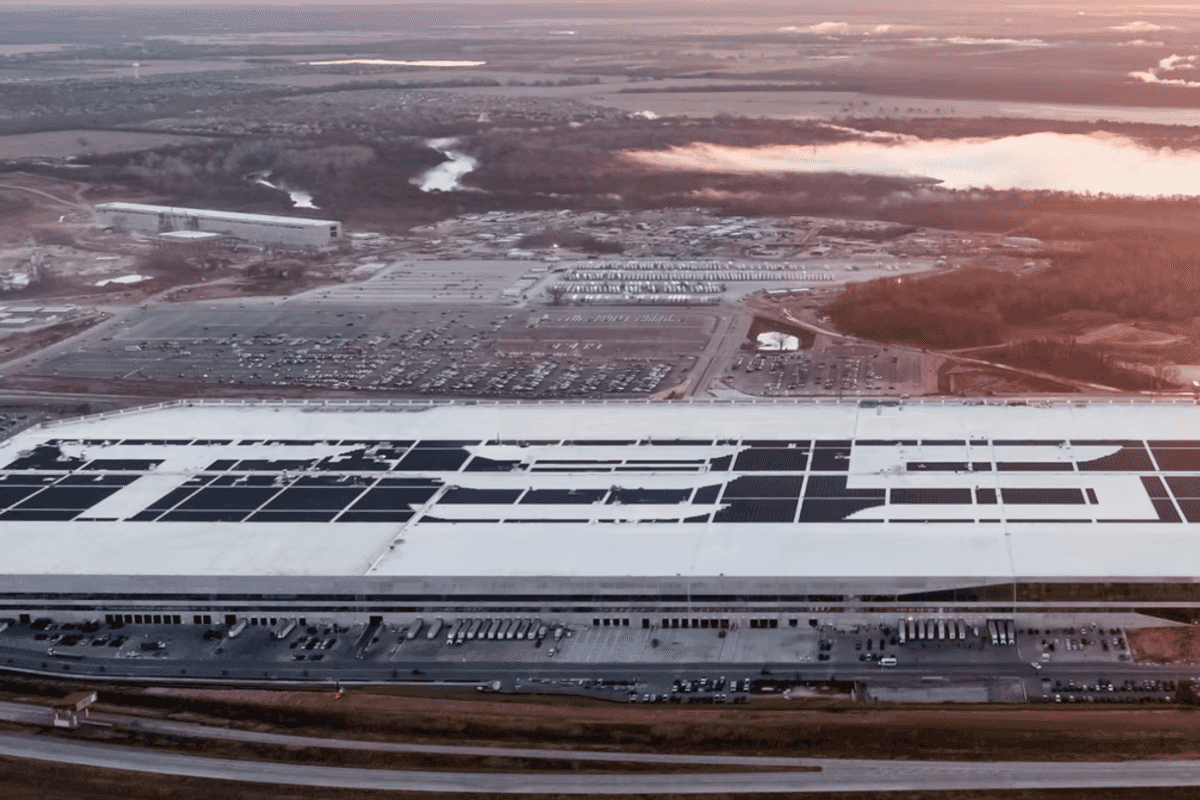
Electric vehicle and clean energy company Tesla is considering building a new $10.1 billion solar cell manufacturing facility in Fort Bend County, according to documents filed with the Texas Comptroller’s Office. If approved, the plant, called Project Sun City, would be located on a 3,050-acre site off FM 762 and FM 1994 in Richmond, Texas. Tesla aims to finish construction in 2028, with the plant being operational by early 2029. Continue reading.
Houston’s data center capacity set to grow 80%, report says

Houston stands to benefit from constraints dogging data center markets elsewhere in Texas, a new report indicates. This comes against the backdrop of Texas surpassing Virginia as the country’s top state for data centers — and amid deepening opposition to these facilities. The report, published by commercial real estate services provider JLL, foresees Houston continuing to gain traction in data center development as occupants seek “scalable alternatives” to Texas markets experiencing supply-and-demand imbalances. Continue reading.
EV surge could shutter 40 refineries by 2040, Wood Mackenzie report warns

The rise of electric vehicles could spell trouble for Houston’s oil and gas sector, a new report suggests. But the oil and gas industry stands to benefit from potential sluggishness in U.S. adoption of EVs. If worldwide EV adoption rises as expected, global oil demand could fall by five million barrels per day by 2040, accelerating the closure of about 40 oil refineries, says the report, published by energy research and consulting firm Wood Mackenzie. The firm’s North American hub is in Houston. Continue reading.
ERock scores Anthropic deal, sees order backlog soar to $1.7B
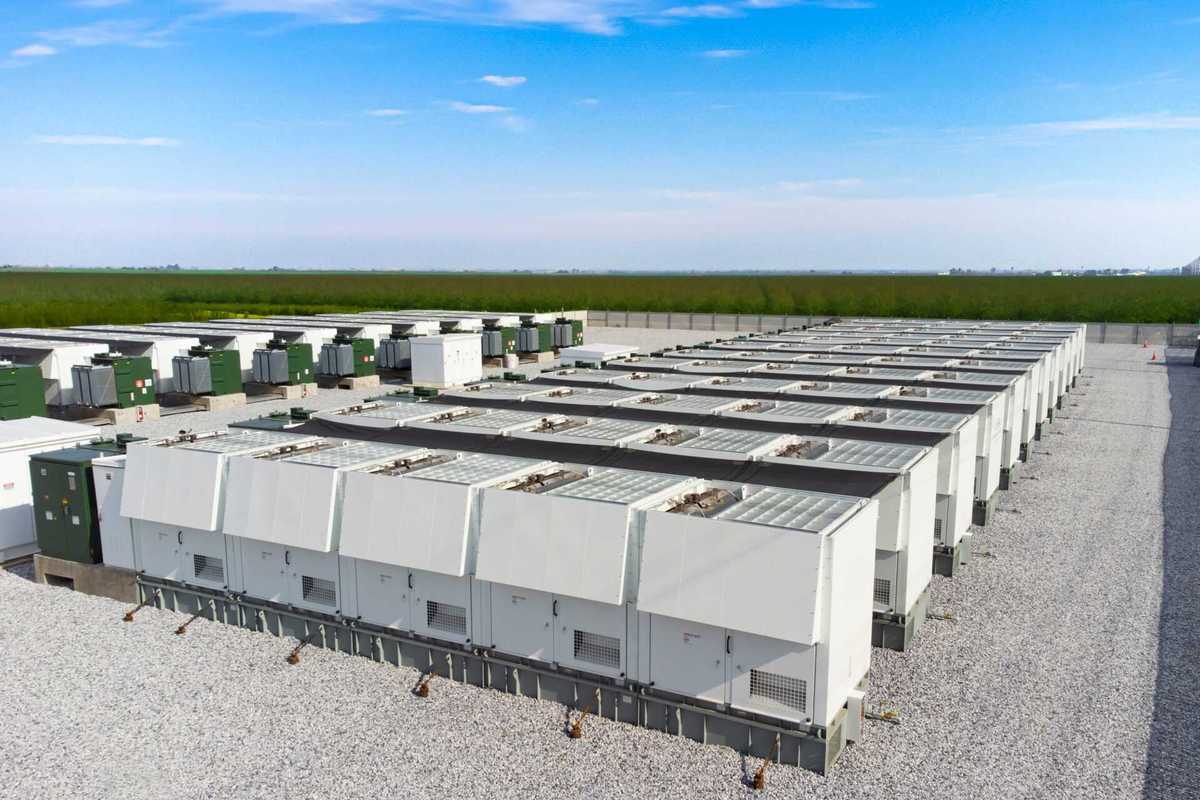
Two months after its $400 million IPO, Houston-based ERock (NYSE: EROC) has landed a power-generator deal with AI powerhouse Anthropic, owner of the Claude platform. In its Q2 earnings report, ERock says it will provide equipment to Anthropic with a 470-megawatt capacity. ERock specializes in utility-grade, onsite microgrid power systems for data centers and other customers. The company previously did business as Enchanted Rock. Continue reading.
Halliburton Labs adds 3 energy, materials startups to Houston incubator
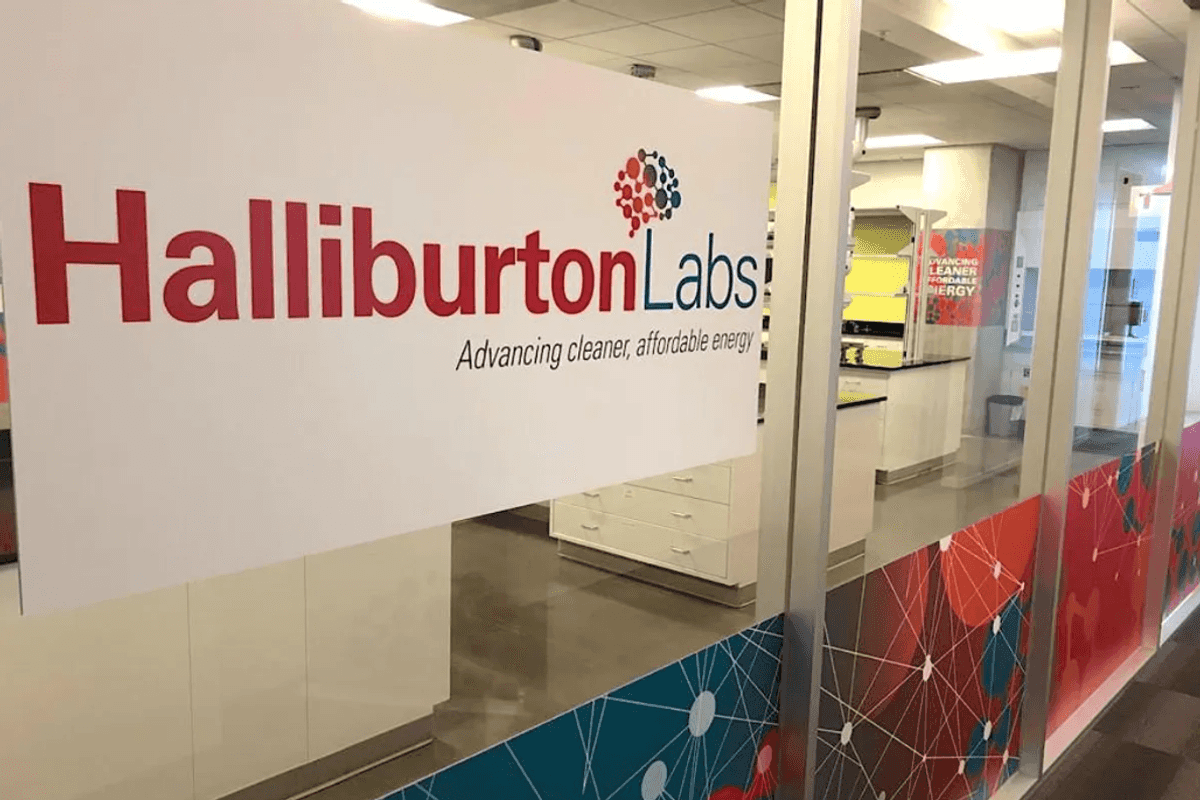
Three new companies have joined Halliburton Labs, the incubator for early-stage energy and hardtech startups run by Houston energy giant Halliburton. Halliburton Labs provides the emerging companies with mentorship, industry connections, laboratory access and other resources as they work toward commercialization. The latest companies to join the incubator focus on battery materials, resource recovery and gas separation solutions to address some of the "key bottlenecks in the energy and industrial landscape." Continue reading.