geothermal milestone

Fervo Energy strikes largest-ever power deal with Google

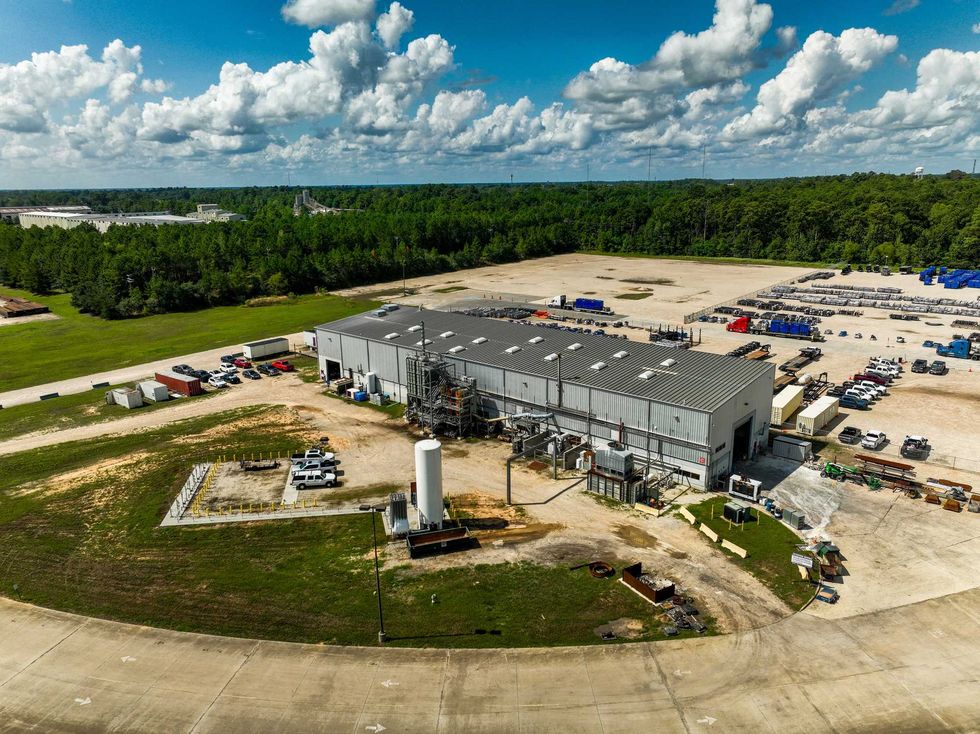
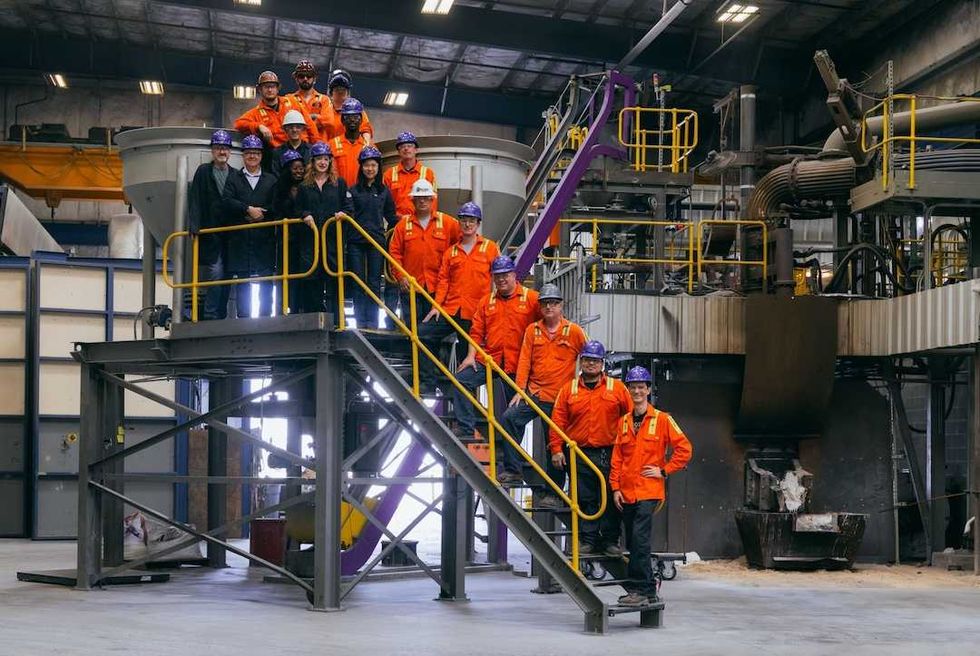
The deal builds upon an existing partnership between Fervo and Google. Photo courtesy Fervo Energy

In its largest-ever purchase agreement, Houston-based geothermal company Fervo Energy will supply 396 megawatts of power to tech powerhouse Google.

The deal includes an option for Google to expand capacity by about 600 megawatts, for a total of 1 gigawatt, by June 2030, according to a news release from Fervo. Financial terms weren’t disclosed.

Google will purchase carbon-free energy from Fervo for a potential data center in Utah, where Fervo is building its more than $2 billion Cape Station geothermal project.

Fervo applies oil-and-gas fracking technology to create geothermal reservoirs and generate electricity.

The first phase of Cape Station is expected to begin delivering geothermal power by late 2026, reaching about 100 megawatts of capacity by early 2027. The second phase, set for completion in 2028, will add 400 megawatts of capacity.

Fervo co-founder and CEO Tim Latimer said in a release that the Google agreement supports enhanced geothermal systems as a key power source for “the next generation of computing infrastructure.”

“The next chapter of advanced power generation technology is being written in Utah,” said Lucia Tian, director of advanced energy technologies at Google.

The Fervo-Google agreement builds on an existing partnership. Fervo’s Project Red pilot development in Nevada, which came online in 2023, supplies power to the local grid. Users of the grid power include Google’s data centers in Nevada.

Fervo subsequently signed a 115-megawatt purchase agreement with Google and NV Energy. The deal enabled Google to bring more geothermal energy to the Nevada grid while insulating everyday customers from the project’s costs.

The latest Google deal is part of the ongoing expansion of Cape Station beyond its initial 100-megawatt phase. Fervo says Cape Station will be the world’s largest enhanced geothermal facility.

The Google agreement comes during a milestone year for Fervo, which was founded in 2017. In May, Fervo’s IPO raised $2.2 billion. The company, whose early investors include Bill Gates, is now valued at $5.65 billion.

Trending News

A View From HETI

The high-performance permanent magnets are vital components in electric vehicles, industrial motors, generators, electronics and other advanced technologies. Photo courtesy UH

University of Houston researchers are leading an effort to find alternatives to a key element of the U.S. economy.

A UH-led coalition is exploring the use of AI to design and manufacture next-generation permanent magnets for the energy and industrial sectors. The project seeks to develop new, more sustainable magnets that reduce U.S. reliance on vulnerable foreign sources of critical minerals, primarily China.

A nearly $2.9 million grant from the U.S. Department of Energy supports the work.

“Rare earth elements, critical minerals, and magnets are indispensable to American energy, industry, and national security,” Conner Prochaska, director of the Advanced Research Projects Agency–Energy, said in a news release. “These projects will accelerate domestic mineral discovery and develop ultra-powerful magnets to mobilize U.S. critical mineral reserves, safeguard supply chains, and protect American energy and economic interests.”

Over the three-year grant period, principal investigator Jakoah Brgoch, a chemistry professor at UH, will head the Guided AI for Magnetic Boride/Carbide Intermetallic Technologies (GAMBIT) project. Brgosh was one of seven new senior members from UH named to the National Academy of Inventors earlier this year.

Other members of the team include Joshua Bocarsly, an assistant professor in the UH chemistry department; scientists at Rice University; and Houston-based startup Newfound Materials, which occupies space at Greentown Labs.

The UH-led team aims to surpass the properties of neodymium iron boron, the current industry-standard material for high-performance permanent magnets. These magnets are vital components in electric vehicles, industrial motors, generators, electronics and other advanced technologies.

“Strong magnets are used all over our economy. For example, many modern air-conditioning systems rely on permanent-magnet motors to drive compressors and blower fans,” Brgoch said.

“This has been a longstanding challenge to think about how we replace these magnets with high-performing and more reliable materials, and optimization by just replacing elements is not working,” Brgoch added. “Our goal is to use AI to find entirely new materials while simultaneously balancing these supply constraint concerns.”

The research team will work on discovering and testing potential magnet replacements. According to UH, the project’s ultimate goal is to commercialize the magnets through a new startup or by expanding Newfound Materials’ business units. The local startup has developed a predictive engine for materials research and development.

Trending News