








Editor's note: From news from CERAWeek by S&P Global to big clean energy deals, these are the top headlines that resonated with EnergyCapital readers on social media and daily newsletter this week.
Investor on Texas as a climatetech hub, disruption opportunities with the grid, and more

Tyler Lancaster, a Chicago-based investor with Energize Capital, shares his investment thesis and why Houston-based Amperon caught his eye. Photo courtesy of Energize Capital
One of the biggest challenges to the energy transition is finding the funds to fuel it. Tyler Lancaster, partner at Energize Capital, is playing a role in that.
Energize Capital, based in Chicago, is focused on disruptive software technology key to decarbonization. One of the firm's portfolio companies is Amperon, which raised $20 million last fall. Continue reading.
Houston clean tech startup pitch competition awards prizes at annual CERAWeek event

Here's what student-founded startups are leaving CERAWeek with fresh funding. Photo courtesy of HETI
For the third year, the Greater Houston Partnership's Houston Energy Transition Institute hosted its startup pitch competition at CERAWeek by S&P Global. A dozen startups walked away with recognition — and three some with cash prizes.
HETI joined partners Rice Alliance for Technology and Entrepreneurship and TEX-E for the 2024 Energy Venture Day and Pitch Competition at CERAWeek on Wednesday, March 20. Forty-two companies, which have collectively raised over $265 million in investment funding already, pitched to judges. Nine startups won awards across three tracks.
TEX-E, a Texas nonprofit that supports student-founded upstarts, had five of its companies pitch and three winners walked away with monetary prizes. Continue reading.
Bill Gates talks AI, future of energy at CERAWeek address in Houston

In his conversation with S&P Global's Daniel Yergin, Bill Gates discussed AI, Texas as an energy transition hub, and more. Photo via CERAWeek
Bill Gates, renowned co-founder of Microsoft and founder of Breakthrough Energy, took the CERAWeek stage to a standing-room-only crowd to discuss his thoughts on the future of energy.
He was joined in conversation with Daniel Yergin, author and vice chairman of S&P Global, at the luncheon on Thursday, March 21. His remarks touched on three themes within the energy transition. Continue reading.
Houston data analytics company makes impact on energy transition, expands in European market
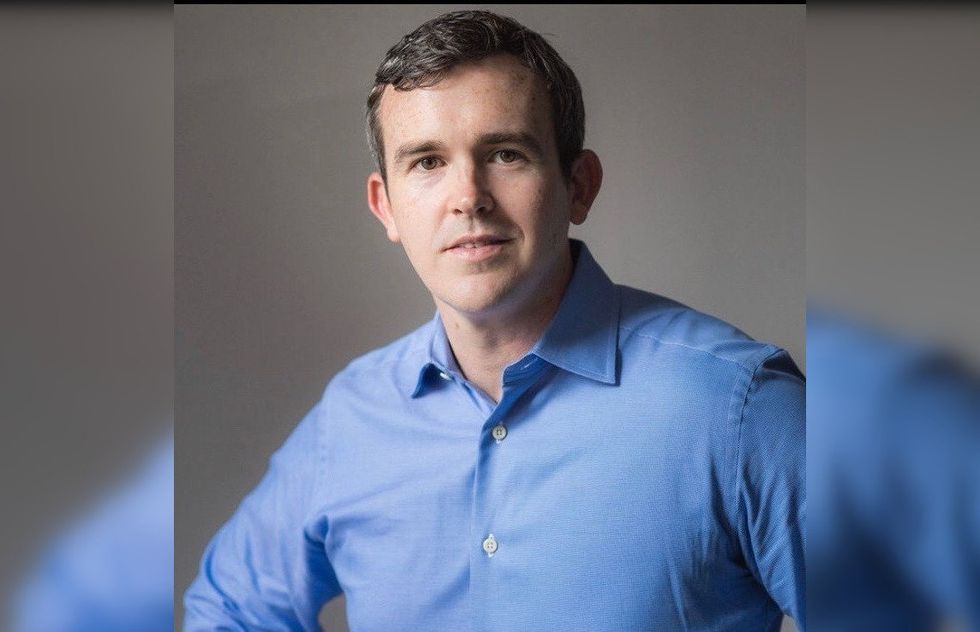
Amperon CEO Sean Kelly says that in a month, his company's tech will be live in 25 countries. Photo via LinkedIn
Sean Kelly says he didn't seek to start a clean tech company. He saw a need and opportunity for more accurate energy forecasting, and he built it.
But Amperon has made it on lists highlighting energy transition innovation on more than one occasion — and caught the eye of renewable energy giants.
"We don't brand ourselves as a clean tech company," Kelly, CEO and co-founder of Amperon, says on the Houston Innovators Podcast, "but we have four of the top six or eight wind providers who have all invested in Amperon. So, there's something there." Continue reading.
Greentown Labs names Colombia-owned energy co. as latest top-tier industry partner
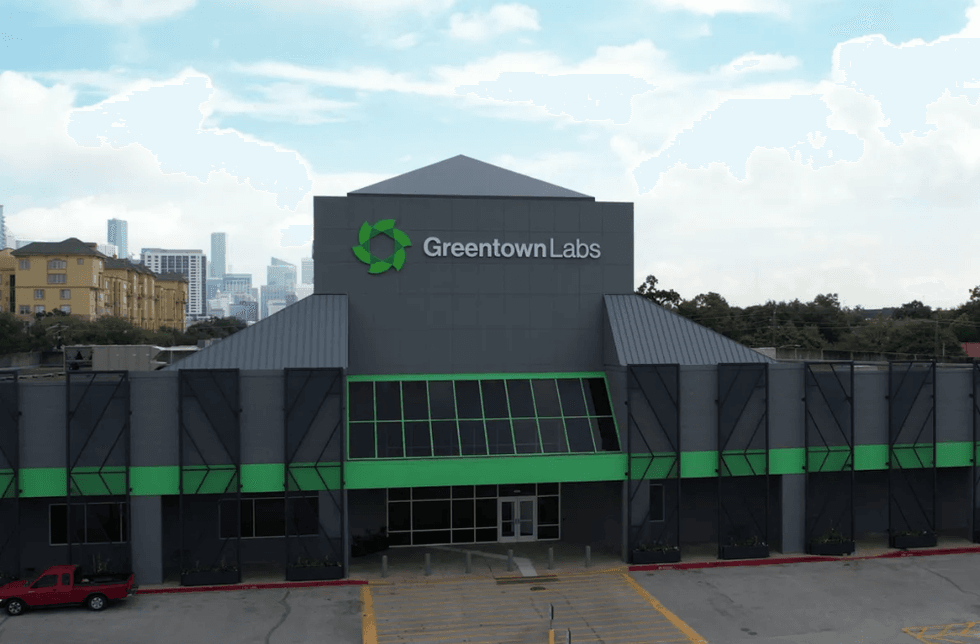
Here's the latest global energy company to sign onto Greentown Labs. Photo via GreentownLabs.com
Greentown Labs has named its latest partner, opening a door to Colombia and South America.
Ecopetrol has joined Greentown as its newest Terawatt Partner, the highest level partner for the incubator. The company, which the Colombian government holds a majority ownership stake in, has integrated business across the hydrocarbon value chain, as well as low emission solutions and energy transmission.
"Accelerating the energy transition and fostering climate action is only possible through innovation, entrepreneurship, and meaningful partnerships," Ecopetrol's Chief Innovation Officer Agostinho João Ramalho Almeida says. Continue reading.