








Editor's note: The top energy transition headlines for the month include Helix Earth's Seed 2 funding and Chevron's plans for a West Texas power plant. Below are the five most-read EnergyCapital stories published April 1-15, 2026:
1. Houston cleantech company closes $12M seed round
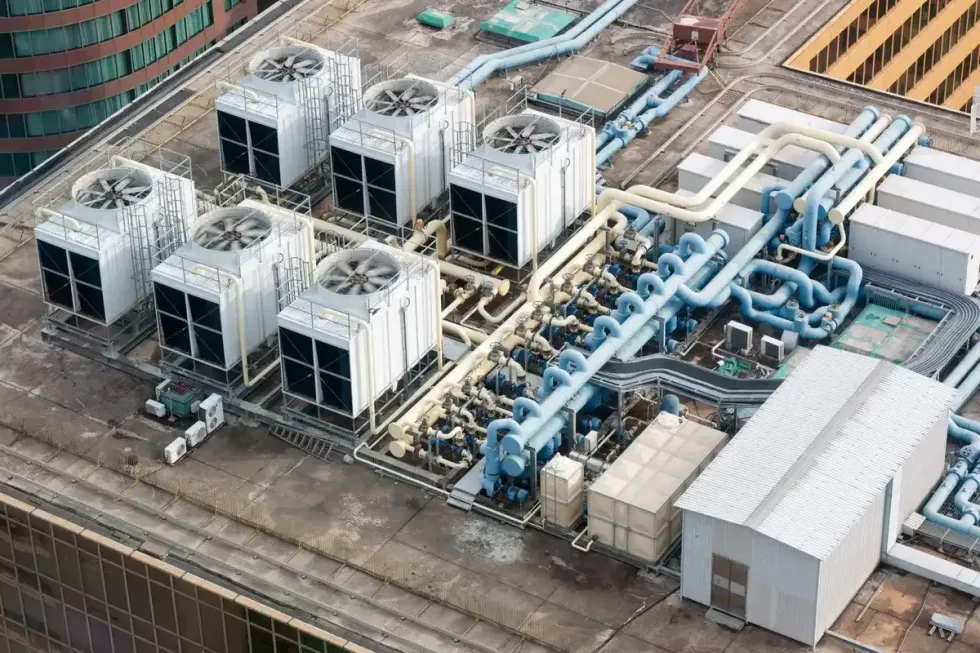
Helix Earth is developing a retrofit technology that has the potential to cut HVAC energy use by up to 50 percent. Photo via Getty Images
Houston-based Helix Earth Technologies has closed a $12 million Seed 2 funding round to scale manufacturing of its energy-efficient commercial HVAC add-on technology. Veriten, a Houston-based energy investment firm, led the round. Rua Ventures, Carnrite Ventures, Skywriter LLC and Textbook Ventures also participated. Continue reading.
2. Chevron eyes $7B Texas power plant for Microsoft data center campus
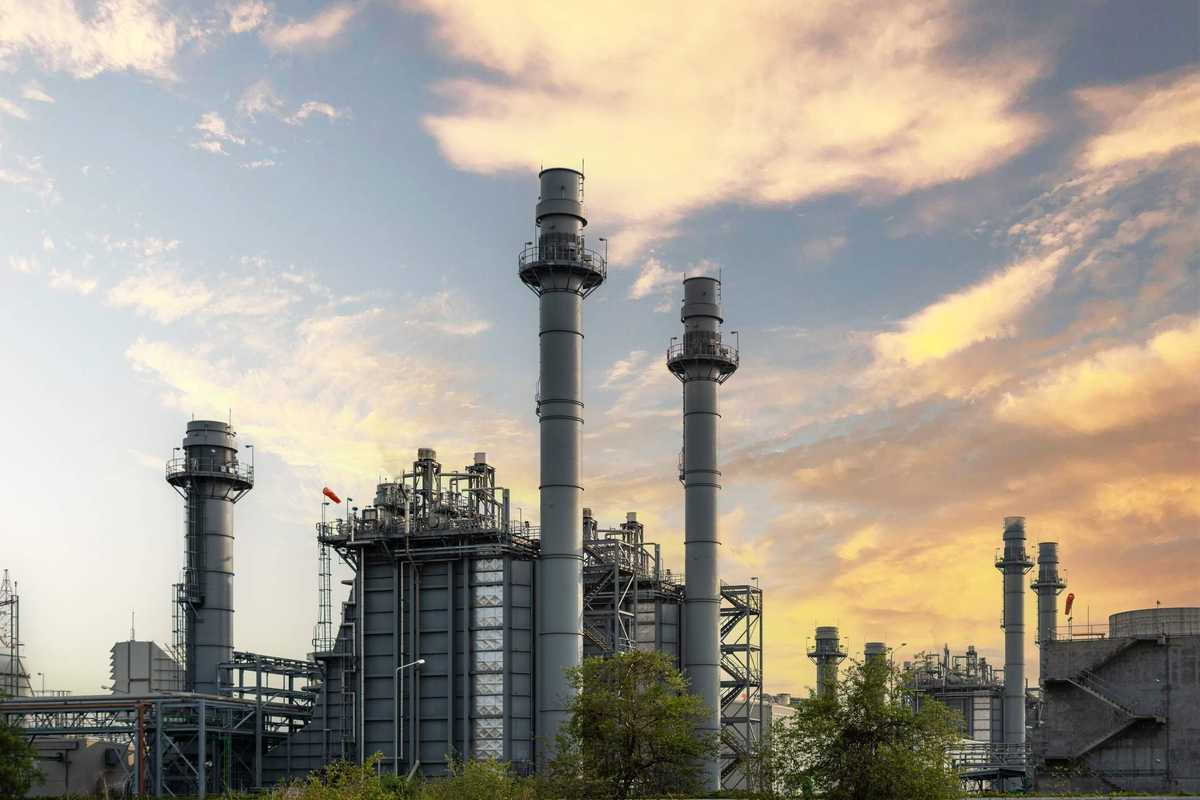
Chevron is in talks with Microsoft and Engine No. 1 about a massive natural gas power plant in Texas. Photo via Getty Images
Software giant Microsoft is negotiating exclusively with Houston-based oil and gas titan Chevron and investment firm Engine No. 1 about the development of a $7 billion power plant in West Texas that would supply electricity for a Microsoft data center campus. Continue reading.
3. 3 strategies to strengthen the Gulf Coast as a global energy hub

The Gulf Coast is one of the most critical energy hubs in the world. Photo via Getty Images.
The Texas-Louisiana Gulf Coast is the backbone of America’s energy and chemical economy. Texas produces roughly 43% of U.S. crude oil and 28% of natural gas, while Texas and Louisiana together account for about half of the nation’s refining capacity, processing 9.3 million barrels of crude per day across 50 refineries. The region also produces approximately 80% of the nation’s primary petrochemicals and ships more than $117 billion in chemical products annually from Texas alone. Continue reading.
4. 8 CERAWeek 2026 takeaways from a new Houston energy leader
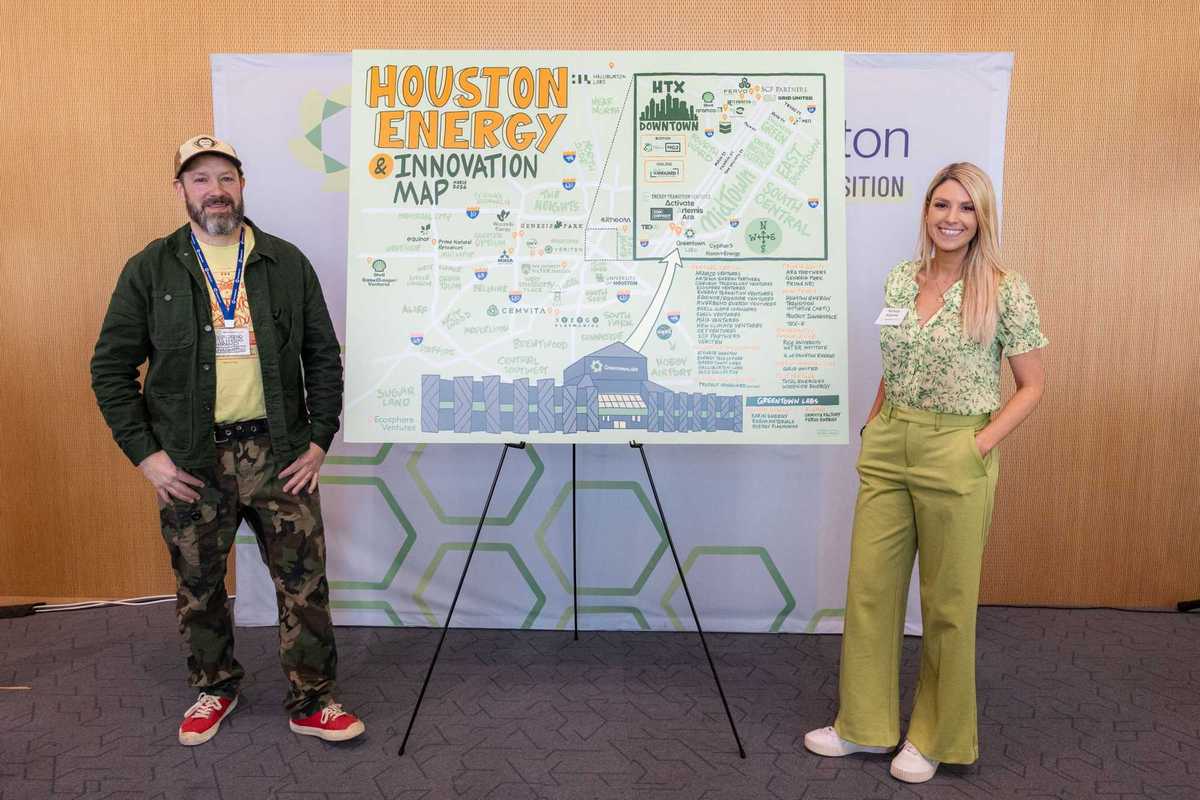
Kelsey Kearns (right), the new director of Greentown Houston, shared her takeaways from her first-ever CERAWeek with Energy Capital HTX. Photo courtesy Greentown
My first CERAWeek was a blur. Having top energy executives, policymakers, and technologists all gathered in Houston—over 11,000 of them this year—was both overwhelming and energizing. The theme was “Convergence and Competition: Energy, Technology, and Geopolitics,” and walking through the George R. Brown Convention Center, it was immediately clear that this was no ordinary industry conference. As a first-timer with a Greentown Labs lens, here’s what really stuck with me. Continue reading.
5. Greentown Labs names new COO, appoints new Head of Houston

Lawson Gow and Kelsey Kearns have stepped into new leadership roles at Greentown Labs. Photos courtesy Greentown/LinkedIn
Greentown Labs has reshuffled its leadership, elevating Houston leaders into new roles. Lawson Gow was named COO of the Houston- and Boston-based climatech incubator in February 2026. In his new role, he will focus on optimizing Greentown's structure, building new internal and external systems and developing a plan for growth. Continue reading.