








Editor's note: We're looking back at the top trending energy transition news from the first half of August. Enbridge and Meta strike a deal, a Houston startup raises pre-seed funds, an innovative recycling support center breaks ground, and more. Here are the five most-read stories on EnergyCapitalHTX from August 1-15:
1. Enbridge's new Texas solar project to power Meta data centers

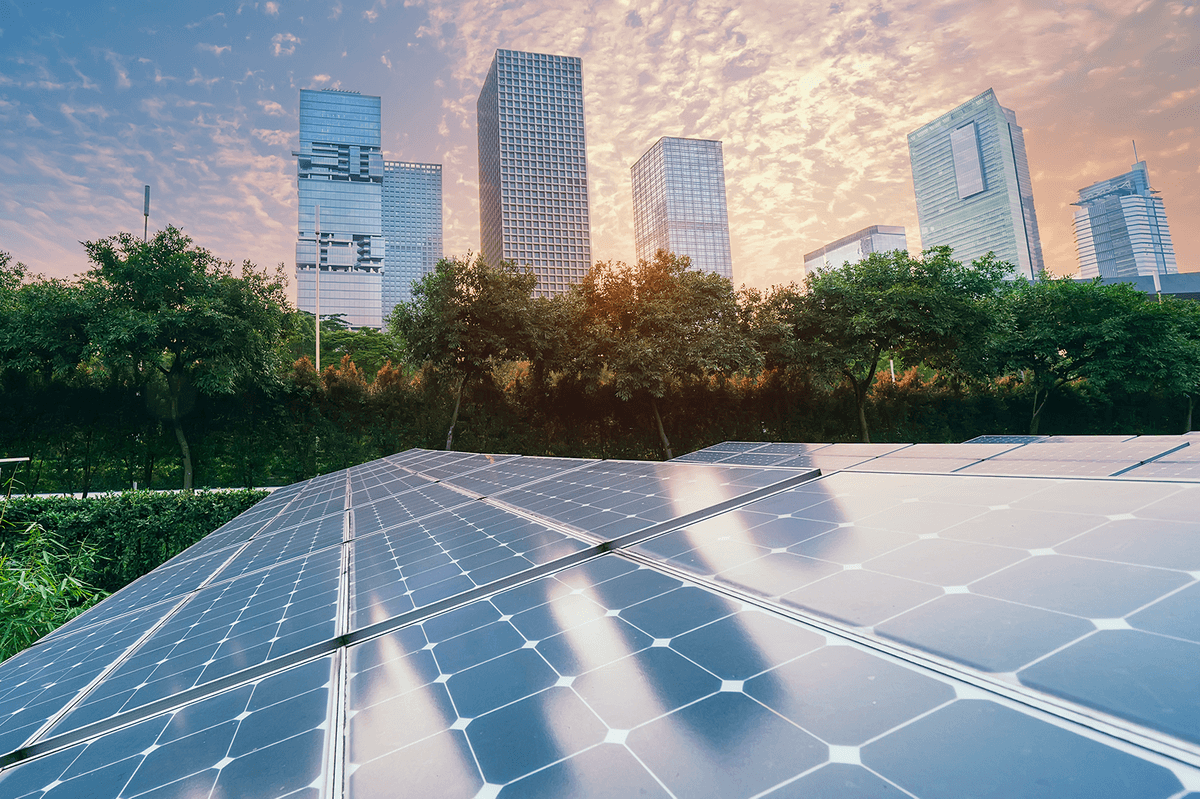
Meta has agreed to purchase 100 percent of the power generated by Enbridge's $900 million solar project near San Antonio. Photo via Getty Images.
Construction is underway on a new 600-megawatt solar project in Texas that will supply renewable energy to Meta Platforms Inc., the owner of Facebook, Instagram and other tech platforms. Calgary-based Enbridge Inc., whose gas transmission and midstream operations are based in Houston, announced that Meta has agreed to purchase 100 percent of the power generated by its new $900 million solar project known as Clear Fork. Continue reading.
2. Houston clean-chemicals startup Solidec raises $2M to scale tech
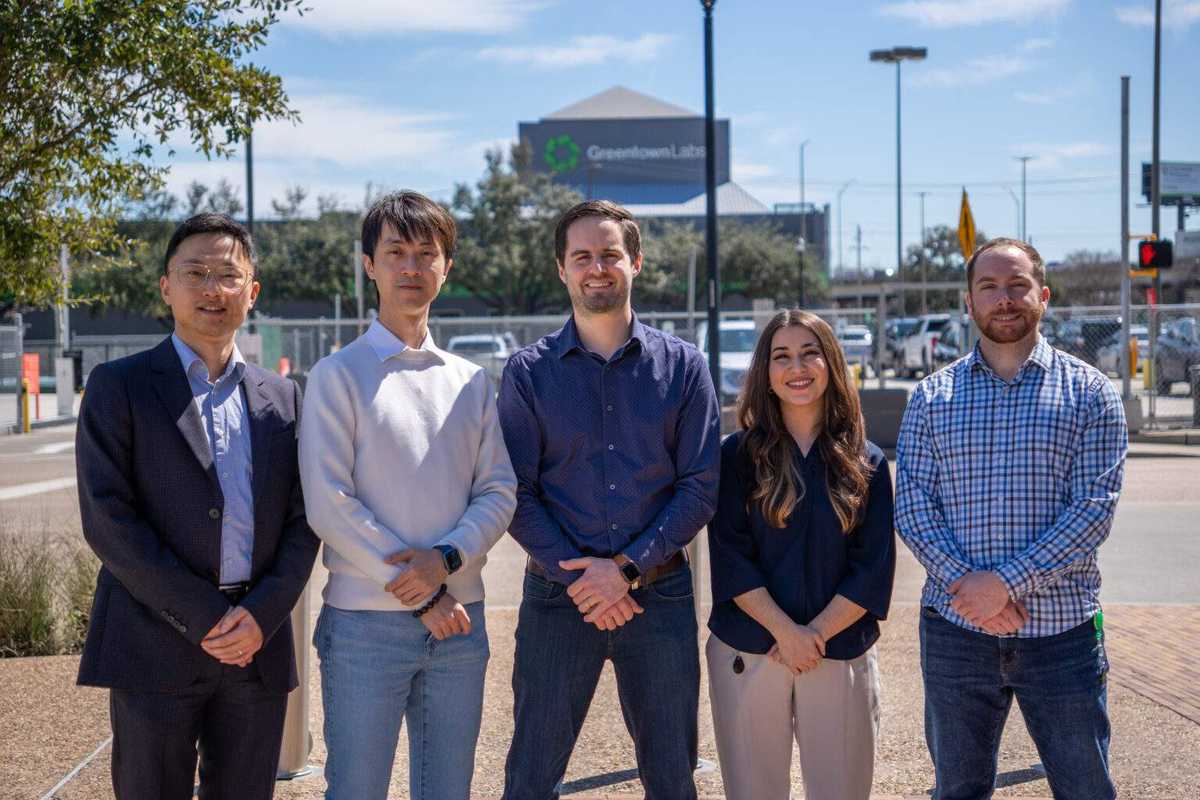
Houston-based Solidec has closed an oversubscribed pre-seed round led by New Climate Ventures. Photo courtesy Greentown Labs.
Solidec, a Houston startup that specializes in manufacturing “clean” chemicals, has raised more than $2 million in pre-seed funding. Houston-based New Climate Ventures led the oversubscribed pre-seed round, with participation from Plug and Play Ventures, Ecosphere Ventures, the Collaborative Fund, Safar Partners, Echo River Capital and Semilla Climate Capital, among other investors. Continue reading.
3. Houston-area logistics co. breaks ground on recycling center tied to circularity hub

Chambers County has helped fund a new recycling support center in Mont Belvieu that will process post-consumer plastic materials. Photo via Getty Images.
TALKE USA Inc., a Houston-area arm of German logistics company TALKE, broke ground on its new Recycling Support Center in Mont Belvieu August 1. The facility will process post-consumer plastic materials, which will then be further processed at Cyclyx's new Houston-based Circularity Center, a first-of-its-kind plastic waste sorting and processing facility that was developed through a joint venture between Cyclix, ExxonMobil and LyondellBasell. The materials will ultimately be converted into recycling feedstock. Continue reading.
4. Japanese energy tech manufacturer officially relocates U.S. HQ to Houston
TMEIC Corporation Americas has moved its U.S. headquarters to Houston. Photo via tmeic.com
TMEIC Corporation Americas has officially relocated its headquarters from Roanoke, Virginia, to Houston. TMEIC Corporation Americas, a group company of Japan-based TMEIC Corporation Japan, recently inaugurated its new space in the Energy Corridor. The new HQ occupies the 10th floor at 1080 Eldridge Parkway. The company first announced the move last summer. Continue reading.
5. Energy experts: Executive order enhances federal permitting for AI data centers

A new EO could streamline regulatory burdens for the development of data centers supporting AI. Getty Images
In an effort to accelerate the development of artificial intelligence, President Trump signed an executive order (EO) aimed at expediting the federal permitting process for data centers, particularly those supporting AI inference, training, simulation, or synthetic data generation. The EO seeks to streamline regulatory burdens and utilize federal resources to encourage the development of data centers supporting AI, as well as the physical components and energy infrastructure needed to construct and provide power to these data centers. Continue reading.