Trending Topics

Houston grid's $2.9 billion upgrade tops energy news to know

CenterPoint is upgrading its Houston-area grid. Photo via Getty Images

Editor's note: It's time to look back at the top energy transition news in recent weeks. Here are the five most-read EnergyCapitalHTX stories from November 16-30:

1. CenterPoint gets go-ahead for $2.9B upgrade of Houston grid
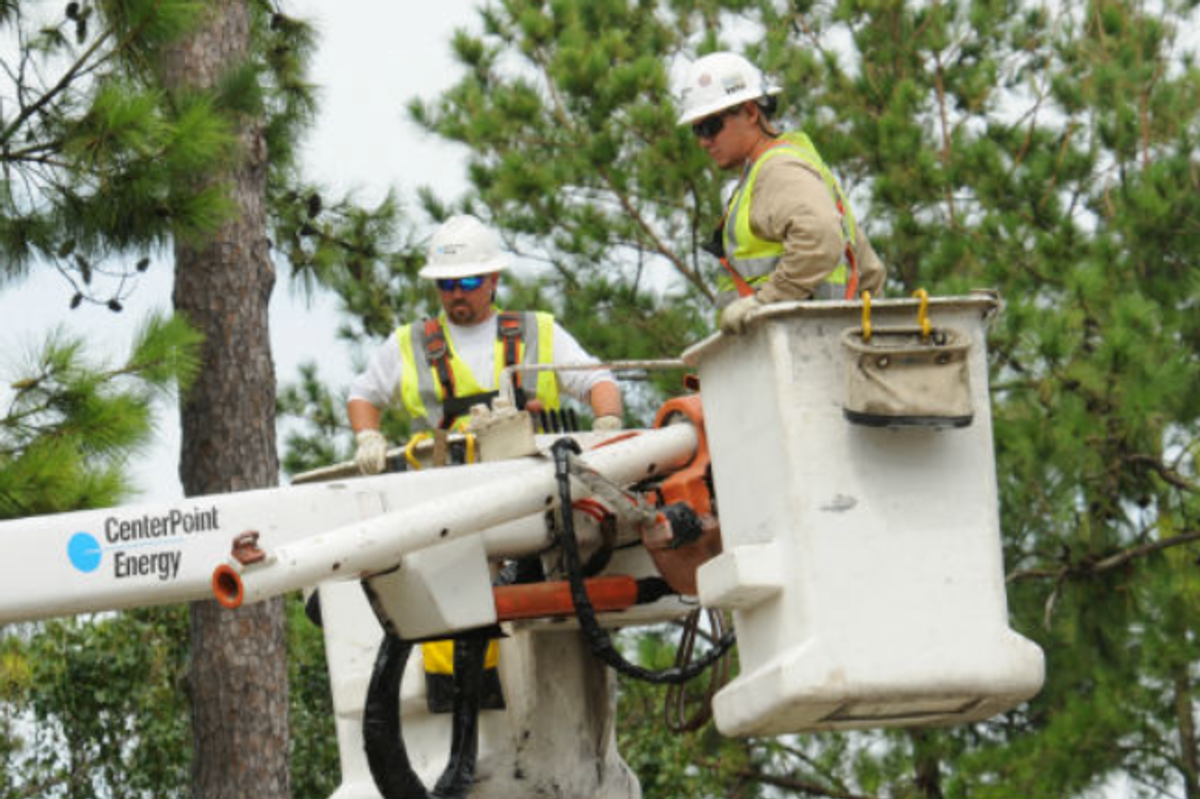
CenterPoint customers in the Houston area will pay an extra $1 a month to cover costs of the recently approved $2.9 billion resiliency plan starting next year. Photo via centerpointenergy.com

Texas utility regulators have given the green light for Houston-based CenterPoint Energy to spend $2.9 billion on strengthening its Houston-area electric grid to better withstand extreme weather. The cost of the plan is nearly $3 billion below what CenterPoint initially proposed to the Public Utility Commission of Texas. Continue reading.

2. Houston company wins contract to operate South Texas wind farm
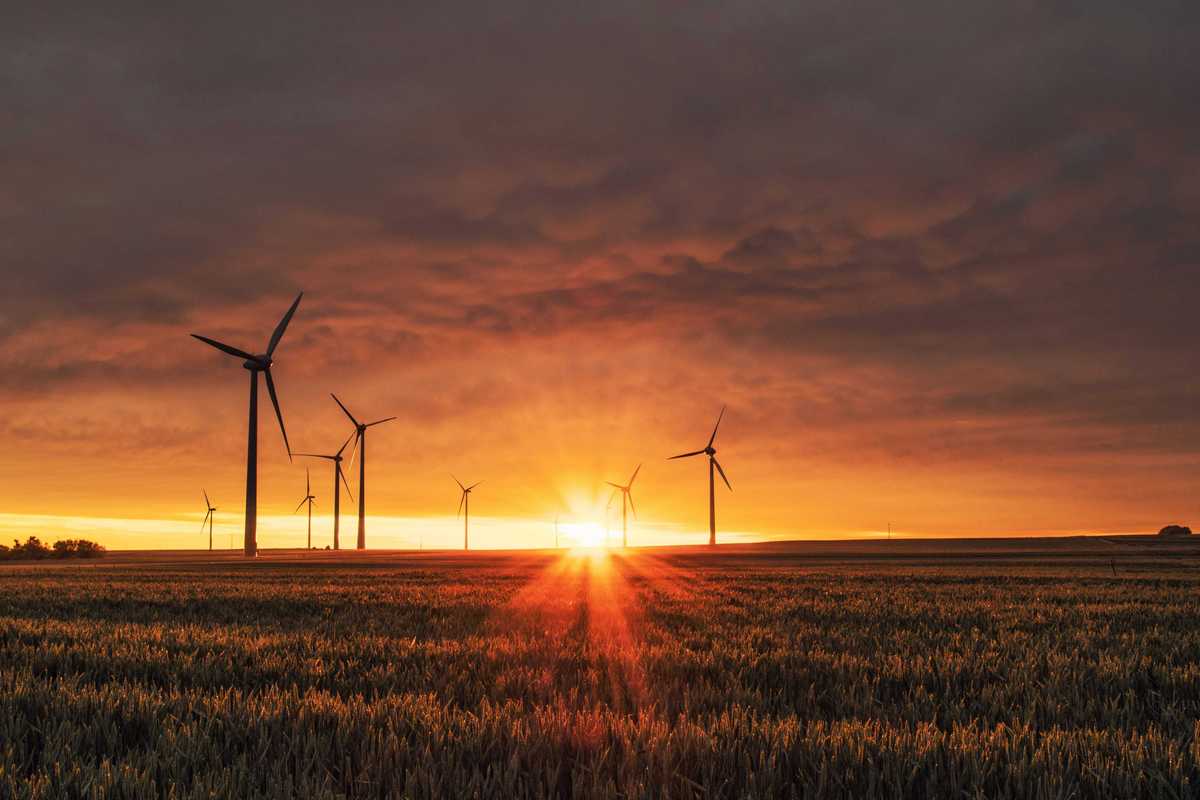
Houston-based CAMS will operate the Mesteño Wind Project, which is home to one of the tallest wind turbine installations in the U.S. Photo via Unsplash.

Houston-based Consolidated Asset Management Services (CAMS), which provides services for owners of energy infrastructure, has added the owner of a South Texas wind power project to its customer list. The new customer, InfraRed Capital Partners, owns the 202-megawatt Mesteño Wind Project in the Rio Grande Valley. Continue reading.

3. Google's $40B investment in Texas data centers includes energy infrastructure
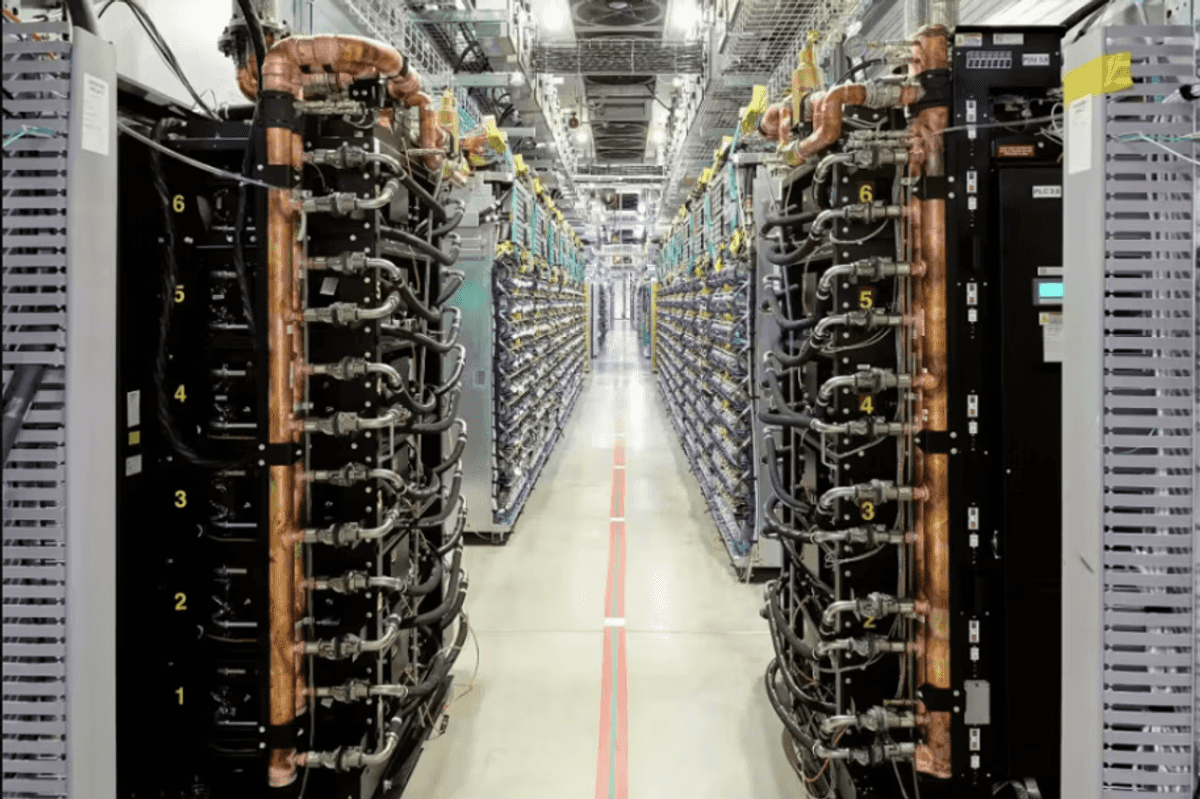
Google is investing in Texas. Courtesy of Google

Google is investing a huge chunk of money in Texas: According to a release, the company will invest $40 billion on cloud and artificial intelligence (AI) infrastructure, with the development of new data centers in Armstrong and Haskell counties. The company announced its intentions at a meeting on November 14 attended by federal, state, and local leaders including Gov. Greg Abbott who called it "a Texas-sized investment." Continue reading.

4. Chevron and ExxonMobil feed the need for gas-powered data centers

Chevron plans to launch its first AI data center power project in West Texas in 2027. Photo via Chevron.com

Two of the Houston area’s oil and gas goliaths, Chevron and ExxonMobil, are duking it out in the emerging market for natural gas-powered data centers—centers that would ease the burden on electric grids. Chevron said it’s negotiating with an unnamed company to supply natural gas-generated power for the data center industry, whose energy consumption is soaring mostly due to AI. Continue reading.

5. Solidec partners with Australian company for clean hydrogen peroxide pilot​

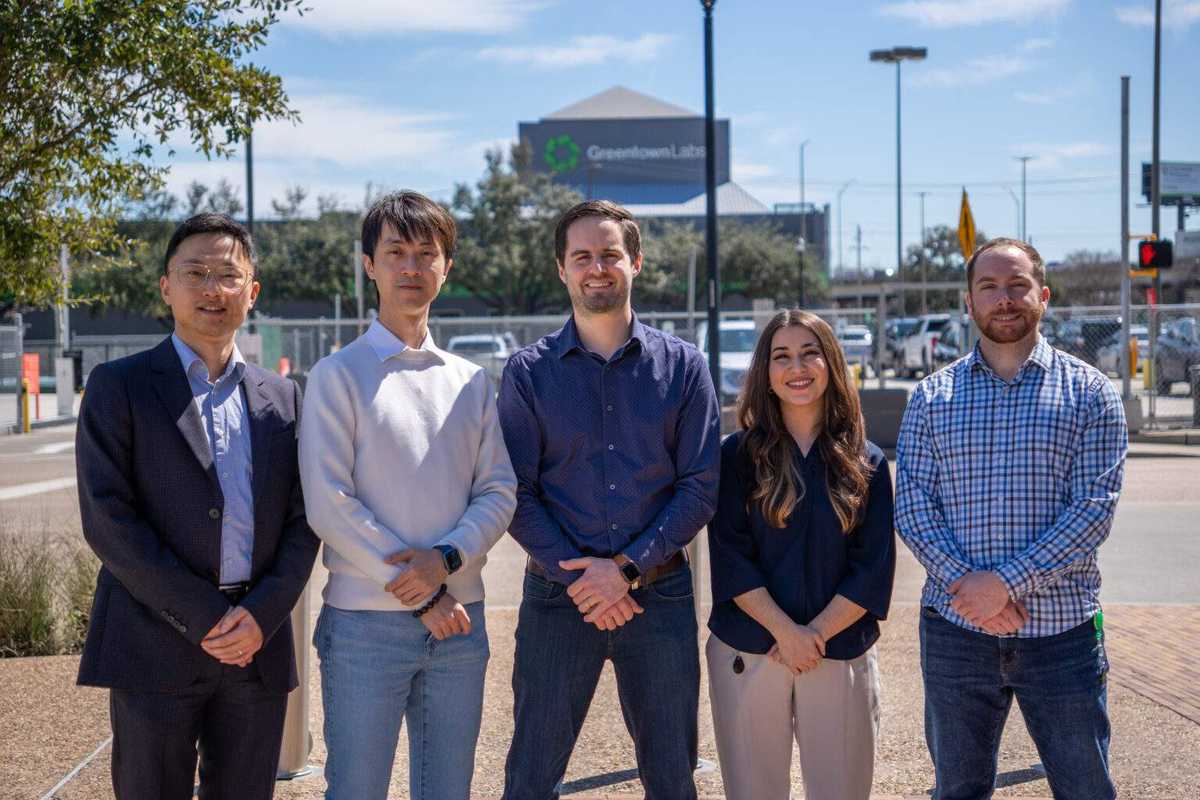
Houston-based Solidec has partnered with Lynas Rare Earth on a clean hydrogen peroxide production pilot in Australia. Photo courtesy Greentown Labs.

Solidec has partnered with Australia-based Lynas Rare Earth, an environmentally responsible producer of rare earth oxides and materials, to reduce emissions from hydrogen peroxide production. The partnership marks a milestone for the Houston-based clean chemical manufacturing startup, as it would allow the company to accelerate the commercialization of its hydrogen peroxide generation technology. Continue reading.

Trending News

A View From HETI

Babur Ozden is the founder and CEO of Aquanta Vision. Photo via LinkedIn

Houston-based climatech startup Aquanta Vision achieved key milestones in 2025 for its enhanced methane-detection app and has its focus set on future funding.

Among the achievements was the completion of the National Science Foundation’s Advanced Sensing and Computation for Environmental Decision-making (ASCEND) Engine. The program, based in Colorado and Wyoming, awarded a total of $3 million in grants to support the commercialization of projects that tackle critical resilience challenges, such as water security, wildfire prediction and response, and methane emissions.

Aquanta Vision’s funding went toward commercializing its NETxTEN app, which automates leak detection to improve accuracy, speed and safety. The company estimates that methane leaks cost the U.S. energy industry billions of dollars each year, with 60 percent of leaks going undetected. Additionally, methane leaks account for around 10 percent of natural gas's contribution to climate change, according to MIT’s climate portal.

Throughout the months-long ASCEND program, Aquanta Vision moved from the final stages of testing into full commercial deployment of NETxTEN. The app can instantly identify leaks via its physics-based algorithms and raw video output of optical gas imaging cameras. It does not require companies to purchase new hardware, requires no human intervention and is universally compatible with all optical gas imaging (OGI) cameras. During over 12,000 test runs, 100 percent of leaks were detected by NETxTEN’s system, according to the company.

The app is geared toward end-users in the oil and gas industry who use OGI cameras to perform regular leak detection inspections and emissions monitoring. Aquanta Vision is in the process of acquiring new clients for the app and plans to scale commercialization between now and 2028, Babur Ozden, the company’s founder and CEO, tells Energy Capital.

“In the next 16 months, (our goal is to) gain a number of key customers as major accounts and OEM partners as distribution channels, establish benefits and stickiness of our product and generate growing, recurring revenues for ourselves and our partners,” he says.

The company also received an investment for an undisclosed amount from Marathon Petroleum Corp. late last year. The funding complemented follow-on investments from Ecosphere Ventures and Odyssey Energy Advisors.

Ozden says the funds will go toward the extension of its runway through the end of 2026. It will also help Aquanta Vision grow its team.

Ozden and Marcus Martinez, a product systems engineer, founded Aquanta Vision in 2023 and have been running it as a two-person operation. The company brought on four interns last year, but is looking to add more staff.

Ozden says the company also plans to raise a seed round in 2027 “to catapult us to a rapid growth phase in 2028-29.”

Trending News