








Editor's note: As the year comes to a close, EnergyCapital is looking back at the year's top stories in Houston energy transition. EnergyCapital launched specifically to cover the energy transition community — and that includes the people who power it. Throughout the year, we spoke to these individuals and some resonated more than others to readers. Be sure to click through to read the full interviews or stream the podcast episode.
David Pruner, executive director of the Texas Entrepreneurship Exchange for Energy (TEX-E)

David Pruner, executive director of TEX-E, joins the Houston Innovator Podcast. Photo via LinkedIn
David Pruner is laser focused on the future workforce for the energy industry as executive director of the Texas Entrepreneurship Exchange for Energy, known as TEX-E, a nonprofit housed out of Greentown Labs that was established to support energy transition innovation at Texas universities.
TEX-E launched in 2022 in collaboration with Greentown Labs, MIT’s Martin Trust Center for Entrepreneurship, and five university partners — Rice University, Texas A&M University, Prairie View A&M University, University of Houston, and The University of Texas at Austin.
Pruner was officially named to his role earlier this year, but he's been working behind the scenes for months now getting to know the organization and already expanding its opportunities from students across the state at the five institutions. Read more.
Barbara Burger, mentor and adviser
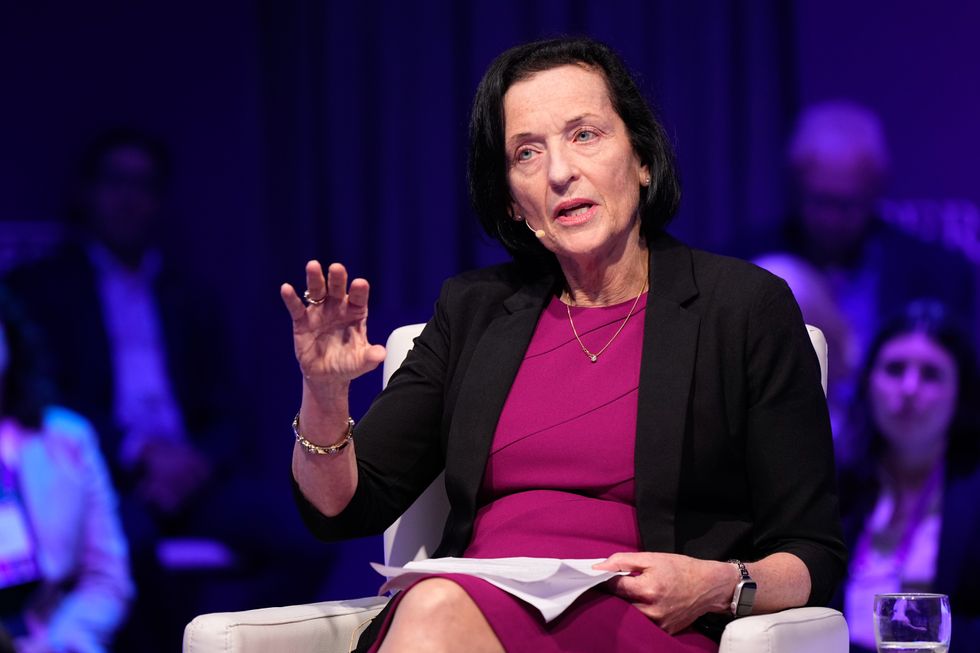
Houston energy leader Barbara Burger joins the Houston Innovators Podcast to discuss the energy transition's biggest challenges and her key takeaways from CERAWeek. Photo courtesy of CERAWeek
Last month, Barbara Burger participated in four panels at CERAWeek by S&P Global, and from her insider perspective, she had a few key takeaways from the event, which brought together energy leaders, tech startups, dignitaries, civil servants, and more.
In a recent podcast interview, Burger shared some of her key takeaways from the event — and how these trends are affecting the industry as a whole. Read through an excerpt or stream the full episode below. Read more.
Tyler Lancaster, partner at Energize Capital

Tyler Lancaster, a Chicago-based investor with Energize Capital, shares his investment thesis and why Houston-based Amperon caught his eye. Photo courtesy of Energize Capital
One of the biggest challenges to the energy transition is finding the funds to fuel it. Tyler Lancaster, partner at Energize Capital, is playing a role in that.
Energize Capital, based in Chicago, is focused on disruptive software technology key to decarbonization. One of the firm's portfolio companies is Amperon, which raised $20 million last fall.
In an interview with EnergyCapital, Lancaster shares what he's focused on and why Amperon caught Energize Capital's attention. Read more.
Teresa Thomas, vice chair and national sector leader for energy and chemicals at Deloitte
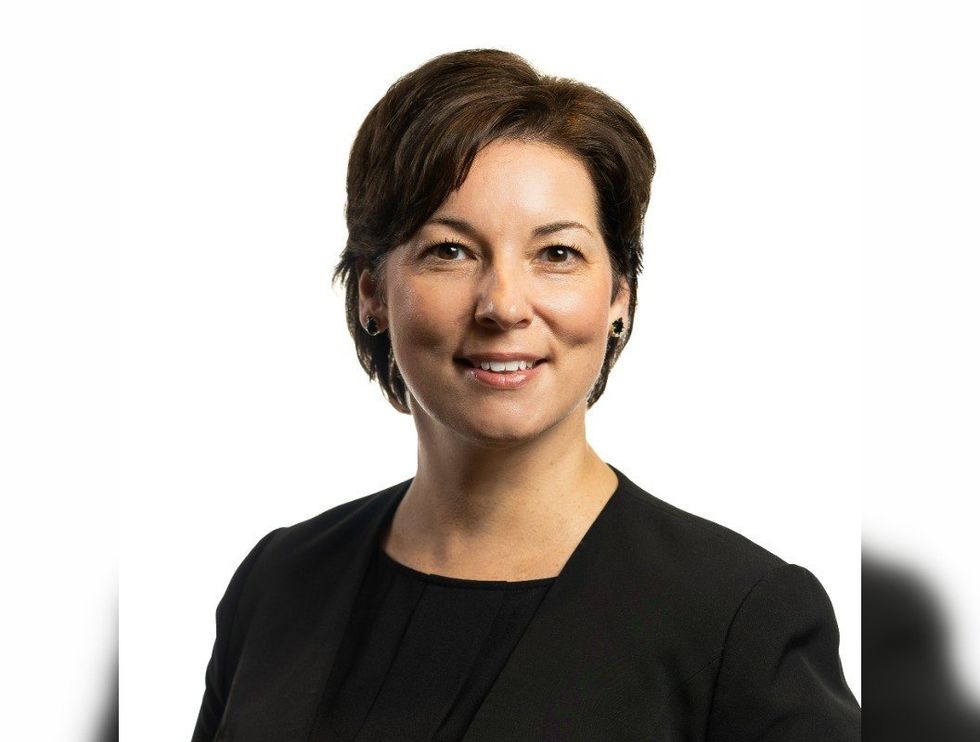
Teresa Thomas, newly named vice chair and national sector leader for energy and chemicals at Deloitte, shares her vision in an interview. Photo via LinkedIn
Deloitte is undergoing a leadership shift — and this evolution for the nearly 200-year-old company directly affects its Houston office and the energy transition line of business.
Earlier this month, Teresa Thomas was named vice chair and national sector leader for energy and chemicals at Deloitte. Based in Houston, she will also serve as an advisory partner and leader in Deloitte & Touche LLP's Risk & Financial Advisory energy and chemicals practice. She succeeds Amy Chronis, partner at Deloitte LLP, who will continue to serve within the energy and chemicals practice until her retirement in June 2024.
In an interview with EnergyCapital, Thomas shares a bit about what she plans on focusing as she takes on her new role. Read more.
Sarah Jewett, vice president of strategy at Fervo Energy
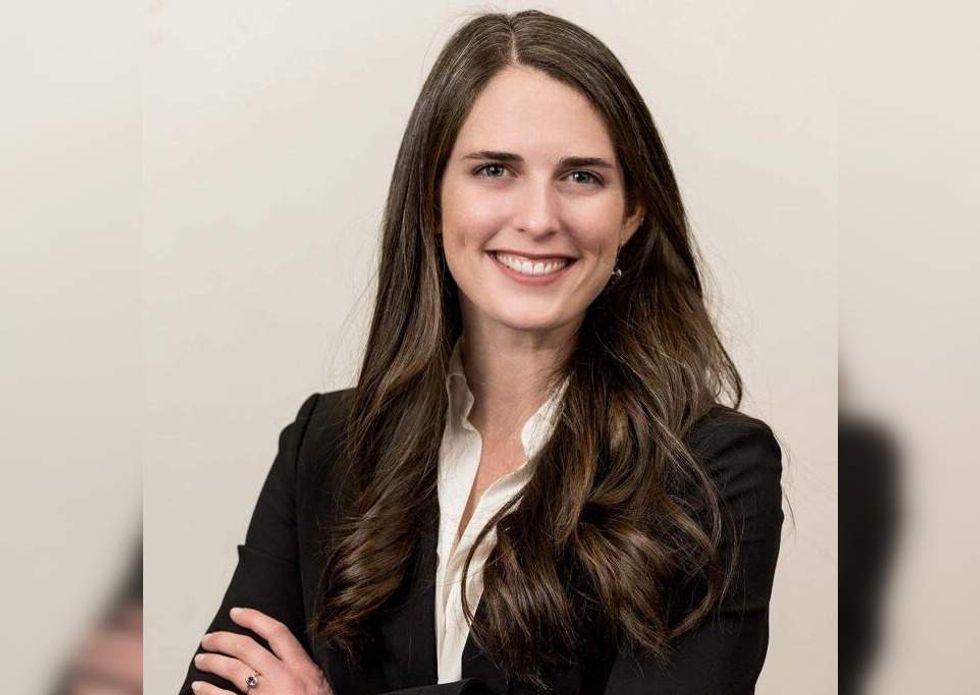
Sarah Jewett, vice president of strategy at Fervo Energy, shares how Fervo has been able to leverage proven oil and gas technologies, such as horizontal drilling, and more, to pave the way toward a low-carbon energy future. Photo via HETI
Houston-based Fervo Energy, the leader in enhanced geothermal technology, is accelerating decarbonization by bringing 24/7 carbon-free electricity to the grid.
Fervo’s mission is to leverage geoscience innovations to accelerate the world’s transition to sustainable energy. Fervo continues to demonstrate the commercial viability and scalability of enhanced geothermal energy, which uses breakthrough techniques to harness heat from the earth and generate continuous electricity.
Sarah Jewett, VP of Strategy at Fervo, shared more about how Fervo has been able to leverage proven oil and gas technologies, such as horizontal drilling, well stimulation, and fiber-optic sensing, to pave the way toward a low-carbon energy future. Read more.