








Editor's note: Exciting funding updates lead the top energy news for November, from Texas A&M's DOE grant to Houston City College's workforce training grant. Plus, three Houston researchers win early career awards. Below are the most-read EnergyCapital headlines published Nov. 1-15, 2026:
Texas A&M wins $5.4M DOE grant for advanced nuclear fuel research
The U.S. Department of Energy has awarded Texas A&M Engineering Experiment Station (TEES) a $5.4 million grant to research ways to turn nuclear waste into fuel. The goal of the project, “Turning Nuclear Waste into Fuel with a Thorium Molten Salt Reactor,” is to develop innovative reactor fuel technology that could help transform long-lived nuclear waste into a valuable energy resource while advancing the future of nuclear power, according to Texas A&M. Lin Shao, a Texas A&M professor of nuclear engineering, will lead the project and unite researchers from TEES, Savannah River National Laboratory and Abilene, Texas-based nuclear power company Natura Resources.Continue reading.
Tesla, Houston City College to receive millions for workforce training
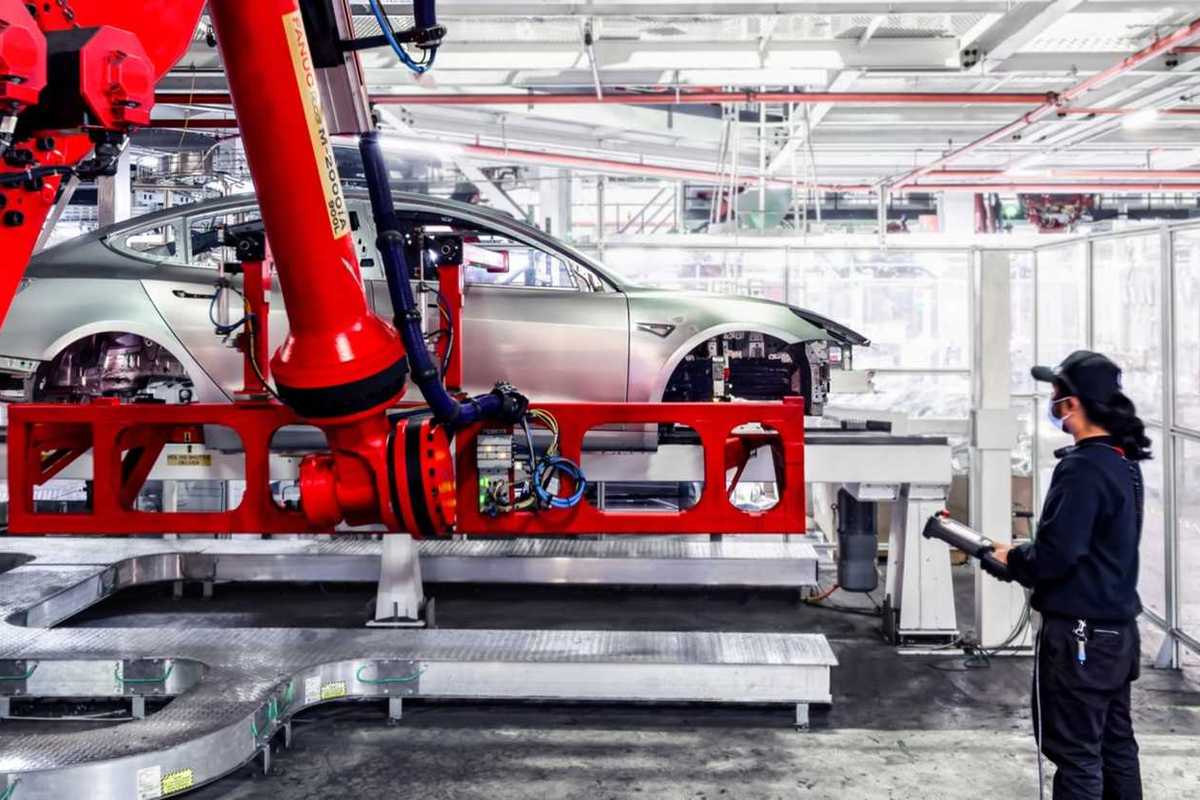
Gov. Greg Abbott announced $1.73 million in workforce training grants for the Houston and Rio Grande Valley regions late last month, with the bulk of the funding heading toward Houston. The funding comes through the Skills Development Fund (SDF) grant program from the Texas Workforce Commission. The grants will help train 689 current and new workers in technology, manufacturing, technology, logistics and other fields in high demand. Three grants totaling $1.56 million will go to Houston City College to develop training programs for 602 Houston-area workers. Continue reading.
Houston researchers win prestigious DOE early career awards
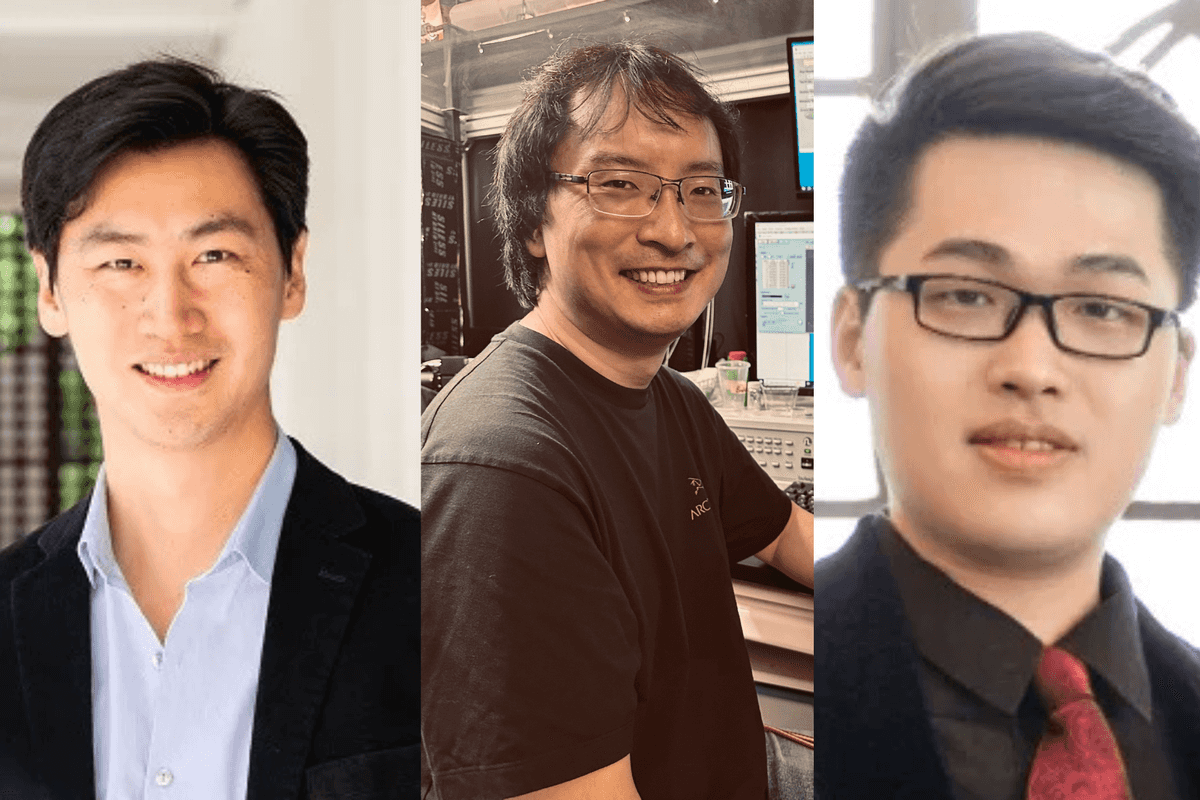
Researchers at Rice University, the University of Houston and other Texas universities have been awarded the Department of Energy’s Early Career Award for their work in quantum science, AI and more. Each professor who received the honor will be awarded $875,000 over five years to continue their work. The Houston-area recipients include: James Shee, assistant professor of chemistry at Rice University; Tony Geng, assistant professor of electrical and computer engineering at Rice; Naihao Chiang, assistant professor in the department of chemistry at the University of Houston. Continue reading.
Oxy inks long-term agreements for 2M tons of CO2 capture, transport

Houston-based Occidental has made two long-term agreements that will expand its carbon management business in the Delaware Basin and the Permian Basin. Oxy announced Nov. 9 that it has signed agreements with two unnamed project developers to capture and transport approximately 2 million metric tons of CO2 from their existing and new natural gas processing facilities in the Delaware Basin in West Texas annually. The CO2 will be transported for use in Oxy's enhanced oil recovery (EOR) operations in the Permian Basin. Continue reading.
New study shows Houston is still feeling effects of 2014-16 oil crash

A new study from Rice’s Kinder Institute shows that Houston is still feeling the economic effects of the 2014-2016 oil crash, more than a decade later. Though Houston, nicknamed the Energy Capital of the World, has continued to grow over the time period, the city has still fallen behind other comparable metropolitan areas in earnings and job creation, according to the research. The report is one part of a three-part series that will take a look at regional economic mobility and suggest ideas to expand opportunity. Continue reading.