







top stories

$118.5M battery storage deal, new chair at METRO, and more trending Houston energy transition news

These were this week's most-read articles on EnergyCapital. Photo via Getty Images

Editor's note: From a new Houston energy transition exec to strategic partnerships and acquisitions, these are the top headlines that resonated with EnergyCapital readers on social media and daily newsletter this week.

Houston geothermal startup reports 'dramatic acceleration' of drilling operations at Utah project
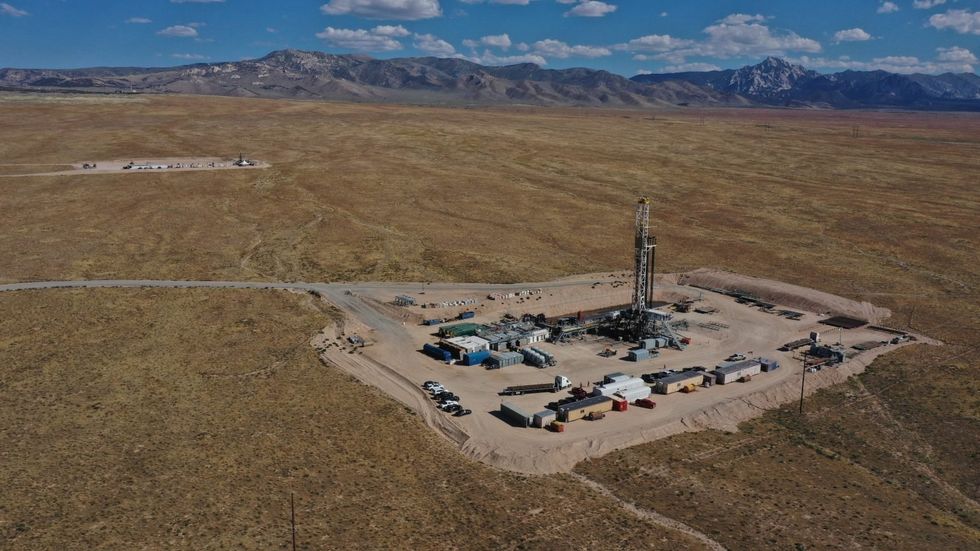
Fervo Energy says its drilling operations Utah’s Cape Station show a 70 percent reduction in drilling times, paving the way for advancement of its geothermal energy system. Photo via fervoenergy.com

Early drilling results indicate a geothermal energy project operated in Utah by Houston-based startup Fervo Energy is performing better than expected.

Fervo says its drilling operations Utah’s Cape Station show a 70 percent reduction in drilling times, paving the way for advancement of its geothermal energy system. Fervo began construction last year on Cape Station, which is set to deliver clean power to the grid in 2026 and be fully operating by 2028. Continue reading.

Houston energy co. secures $118.5M for battery energy storage project in south Texas
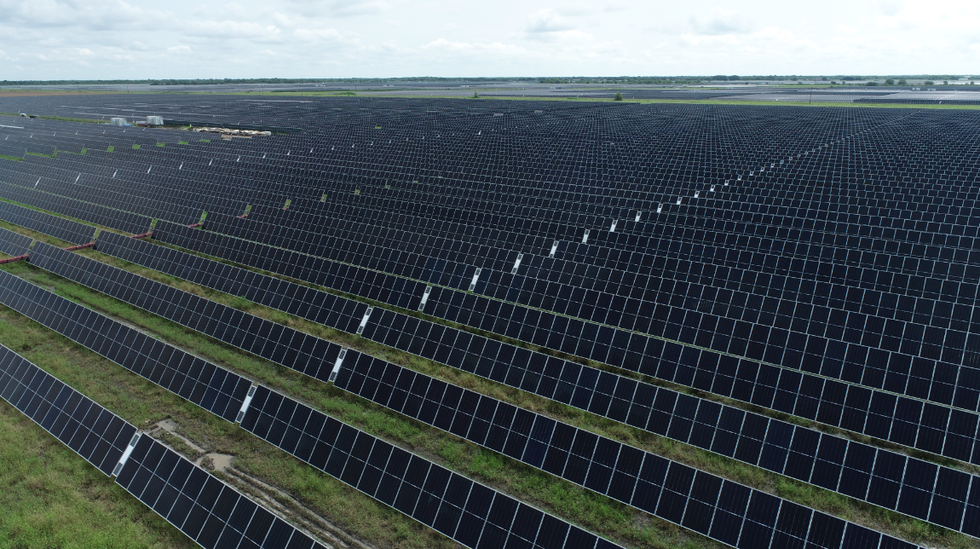
Tokyo Gas America has scored over $100 million in investment tax credits for project in Brazoria County that will supply power to Houstonians.

Houston-based Tokyo Gas America has received $118.5 million in investment tax credits for its battery energy storage system in Brazoria County. The system will supply power for the Houston-area territory served by the Electric Reliability Council of Texas (ERCOT).

San Francisco-based institutional fund sponsor Foss & Co. provided the tax equity for the Longbow BESS project, being developed by New York City-based Clean Capital Partners. Construction on the 174-megawatt battery energy storage system began earlier this year, and the project is expected to come online this summer.

“Longbow BESS represents a significant step forward in our commitment to providing clean and reliable energy solutions,” Ken Kiriishi, senior vice president of Tokyo Gas America, a wholly owned subsidiary of Tokyo Gas Co., says. Continue reading.

Houston to host inaugural climate tech and energy-focused week

The week, which will be hosted at the Ion and around Houston, will gather investors, industry leaders, and startups from across the energy industry to showcase Houston's growing sustainability community. Photo via the Ion

Three organizations are teaming up to put on a week of programming and events focused on energy and climate startups.

Greentown Labs, Halliburton Labs, and the Rice Alliance for Technology and Entrepreneurship have announced Houston Energy and Climate Startup Week 2024 taking place September 9 to 13.

“These organizations will execute events that will serve as a launching pad for an Energy and Climate Startup Week in Houston, showcasing the city as a national hub for the energy future,” Brad Burke, executive director of the Rice Alliance, says in the release. “We welcome the community to bring other energy and climate events to the week, which we’ll cross-promote as the dates approach.” Continue reading.

Newly appointed Houston METRO chair vows​ to bring clean, reliable public transit

Elizabeth Gonzalez Brock was named as board chair of the Metropolitan Transit Authority of Harris County. Photo via LinkedIn

Houston Mayor John Whitmire named the new board chair of the Metropolitan Transit Authority of Harris County.

An executive at Houston-based CenterPoint Energy, Elizabeth Gonzalez Brock was appointed to lead Houston METRO. The move, pending City Council and board approval, would make her the first Hispanic woman to chair the state's largest transit authority.

"I am grateful to Mayor Whitmire for the honor and opportunity to lead METRO as Board Chair and to be entrusted with this important responsibility, said Brock in a news release. “By appointing the first Hispanic woman in this role, the mayor confirms his commitment to identifying experienced, qualified, and diverse individuals to serve our city and his administration. Continue reading.

Chesapeake Energy backs Houston geothermal tech co. in $17M series A
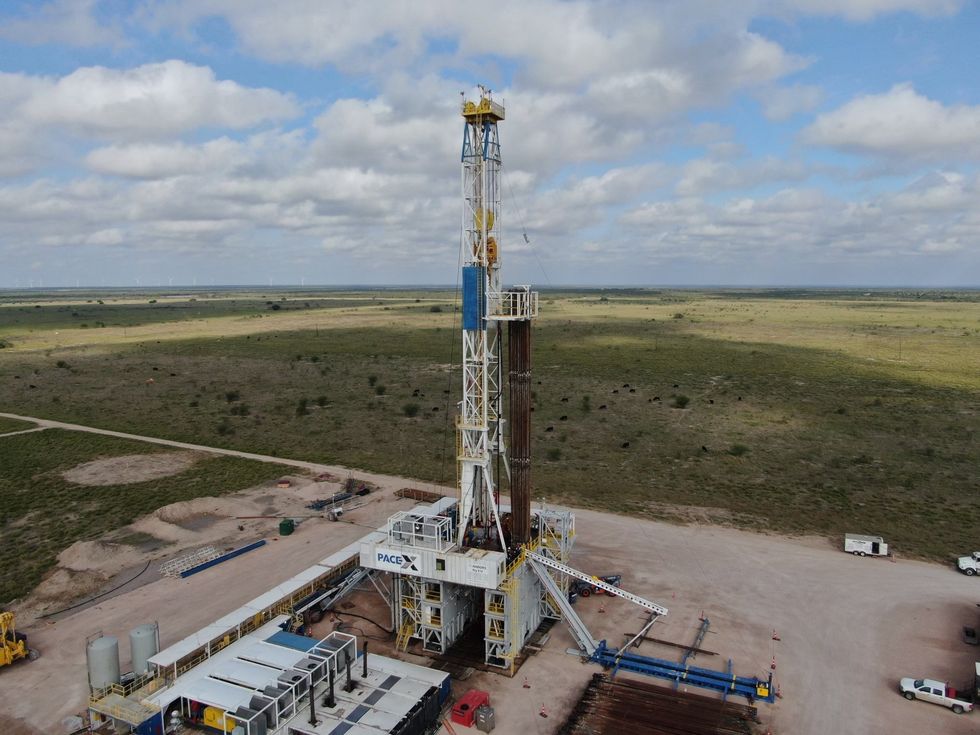
Houston-based Sage Geosystems announced the first close of $17 million round led by Chesapeake Energy Corp. Photo via sagegeosystems.com

A Houston geothermal startup has announced the close of its series A round of funding.

Houston-based Sage Geosystems announced the first close of $17 million round led by Chesapeake Energy Corp. The proceeds aim to fund its first commercial geopressured geothermal system facility, which will be built in Texas in Q4 of 2024. According to the company, the facility will be the first of its kind.

The venture is joined by technology investor Arch Meredith, Helium-3 Ventures and will include support from existing investors Virya, LLC, Nabors Industries Ltd., and Ignis Energy Inc. Continue reading.

Trending News

A View From HETI

Greenhouse gases continue to rise, and the challenges they pose are not going away. Photo via Getty Images

For the past 40 years, climate policy has often felt like two steps forward, one step back. Regulations shift with politics, incentives get diluted, and long-term aspirations like net-zero by 2050 seem increasingly out of reach. Yet greenhouse gases continue to rise, and the challenges they pose are not going away.

This matters because the costs are real. Extreme weather is already straining U.S. power grids, damaging homes, and disrupting supply chains. Communities are spending more on recovery while businesses face rising risks to operations and assets. So, how can the U.S. prepare and respond?

The Baker Institute Center for Energy Studies (CES) points to two complementary strategies. First, invest in large-scale public adaptation to protect communities and infrastructure. Second, reframe carbon as a resource, not just a waste stream to be reduced.

Why Focusing on Emissions Alone Falls Short

Peter Hartley argues that decades of global efforts to curb emissions have done little to slow the rise of CO₂. International cooperation is difficult, the costs are felt immediately, and the technologies needed are often expensive. Emissions reduction has been the central policy tool for decades, and it has been neither sufficient nor effective.

One practical response is adaptation, which means preparing for climate impacts we can’t avoid. Some of these measures are private, taken by households or businesses to reduce their own risks, such as farmers shifting crop types, property owners installing fire-resistant materials, or families improving insulation. Others are public goods that require policy action. These include building stronger levees and flood defenses, reinforcing power grids, upgrading water systems, revising building codes, and planning for wildfire risks. Such efforts protect people today while reducing long-term costs, and they work regardless of the source of extreme weather. Adaptation also does not depend on global consensus; each country, state, or city can act in its own interest. Many of these measures even deliver benefits beyond weather resilience, such as stronger infrastructure and improved security against broader threats.

McKinsey research reinforces this logic. Without a rapid scale-up of climate adaptation, the U.S. will face serious socioeconomic risks. These include damage to infrastructure and property from storms, floods, and heat waves, as well as greater stress on vulnerable populations and disrupted supply chains.

Making Carbon Work for Us

While adaptation addresses immediate risks, Ken Medlock points to a longer-term opportunity: turning carbon into value.

Carbon can serve as a building block for advanced materials in construction, transportation, power transmission, and agriculture. Biochar to improve soils, carbon composites for stronger and lighter products, and next-generation fuels are all examples. As Ken points out, carbon-to-value strategies can extend into construction and infrastructure. Beyond creating new markets, carbon conversion could deliver lighter and more resilient materials, helping the U.S. build infrastructure that is stronger, longer-lasting, and better able to withstand climate stress.

A carbon-to-value economy can help the U.S. strengthen its manufacturing base and position itself as a global supplier of advanced materials.

These solutions are not yet economic at scale, but smart policies can change that. Expanding the 45Q tax credit to cover carbon use in materials, funding research at DOE labs and universities, and supporting early markets would help create the conditions for growth.

Conclusion

Instead of choosing between “doing nothing” and “net zero at any cost,” we need a third approach that invests in both climate resilience and carbon conversion.

Public adaptation strengthens and improves the infrastructure we rely on every day, including levees, power grids, water systems, and building standards that protect communities from climate shocks. Carbon-to-value strategies can complement these efforts by creating lighter, more resilient carbon-based infrastructure.

CES suggests this combination is a pragmatic way forward. As Peter emphasizes, adaptation works because it is in each nation’s self-interest. And as Ken reminds us, “The U.S. has a comparative advantage in carbon. Leveraging it to its fullest extent puts the U.S. in a position of strength now and well into the future.”

-----------

Scott Nyquist is a senior advisor at McKinsey & Company and vice chairman, Houston Energy Transition Initiative of the Greater Houston Partnership. The views expressed herein are Nyquist's own and not those of McKinsey & Company or of the Greater Houston Partnership. This article originally appeared on LinkedIn.

Trending News