








Editor's note: There have been exciting developments in the energy transition sector this month, from Gold H2's successful field trial to a Houston leader becoming the first woman to win an international award. Below are the five biggest EnergyCapitalHTX stories from July 1-15, 2025:
Gold H2 harvests clean hydrogen from depleted California reservoirs in first field trial
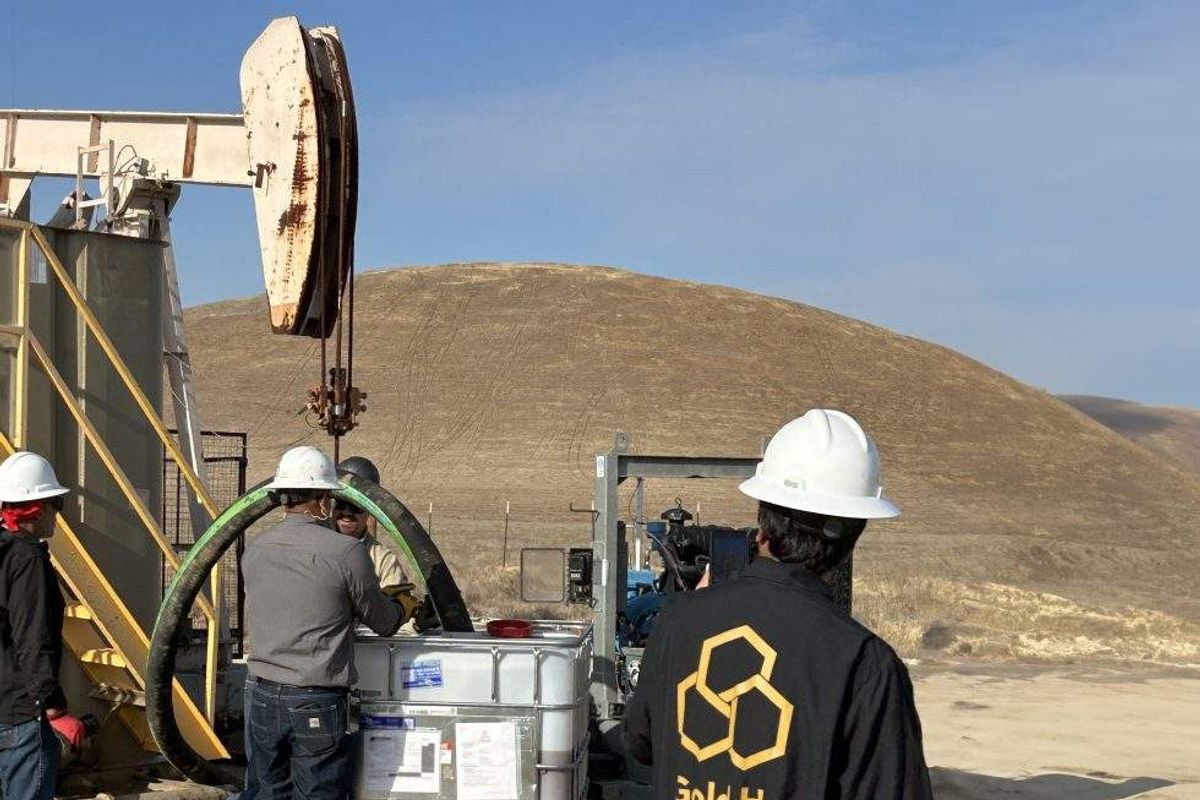
Houston biotech company Gold H2's proprietary biotechnology has generated hydrogen from depleted oil reservoirs in a California field trial. Photo courtesy Gold H2.
Houston climatech company Gold H2 completed its first field trial that demonstrates subsurface bio-stimulated hydrogen production, which leverages microbiology and existing infrastructure to produce clean hydrogen. The project represented the first-of-its-kind application of Gold H2’s proprietary biotechnology, which generates hydrogen from depleted oil reservoirs, eliminating the need for new drilling, electrolysis or energy-intensive surface facilities. Continue reading.
Greentown Labs adds 6 Texas clean energy startups to Houston incubator
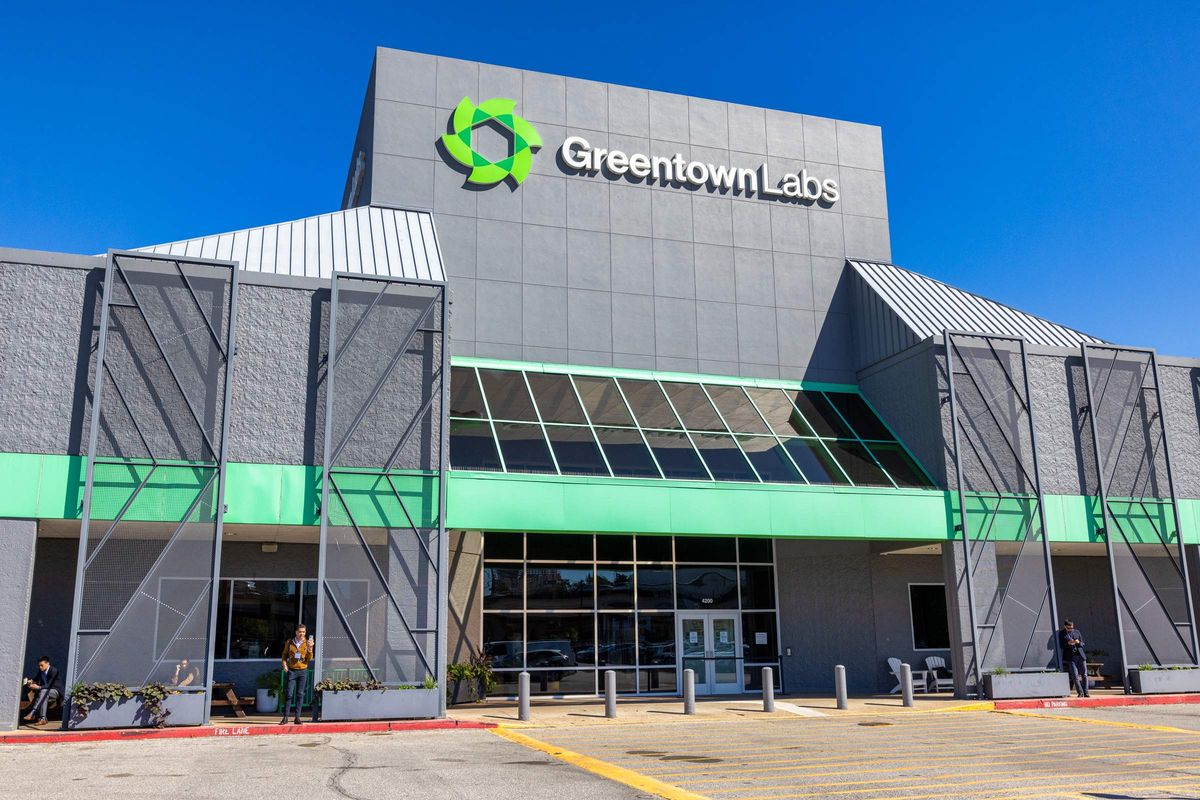
Six companies have joined Greentown Houston, focused on long-duration energy storage systems, 3D solar towers and more. Photo courtesy Greentown Labs.
Greentown Labs announced the six startups to join its Houston community in Q2 of 2025. The companies are among a group of 13 that joined the climatetech incubator, which is co-located in Houston and Boston, in the same time period. The companies that joined the Houston-based lab specialize in a number of clean energy applications, from long-duration energy storage systems to 3D solar towers.Continue reading.
Rice University spinout lands $500K NSF grant to boost chip sustainability
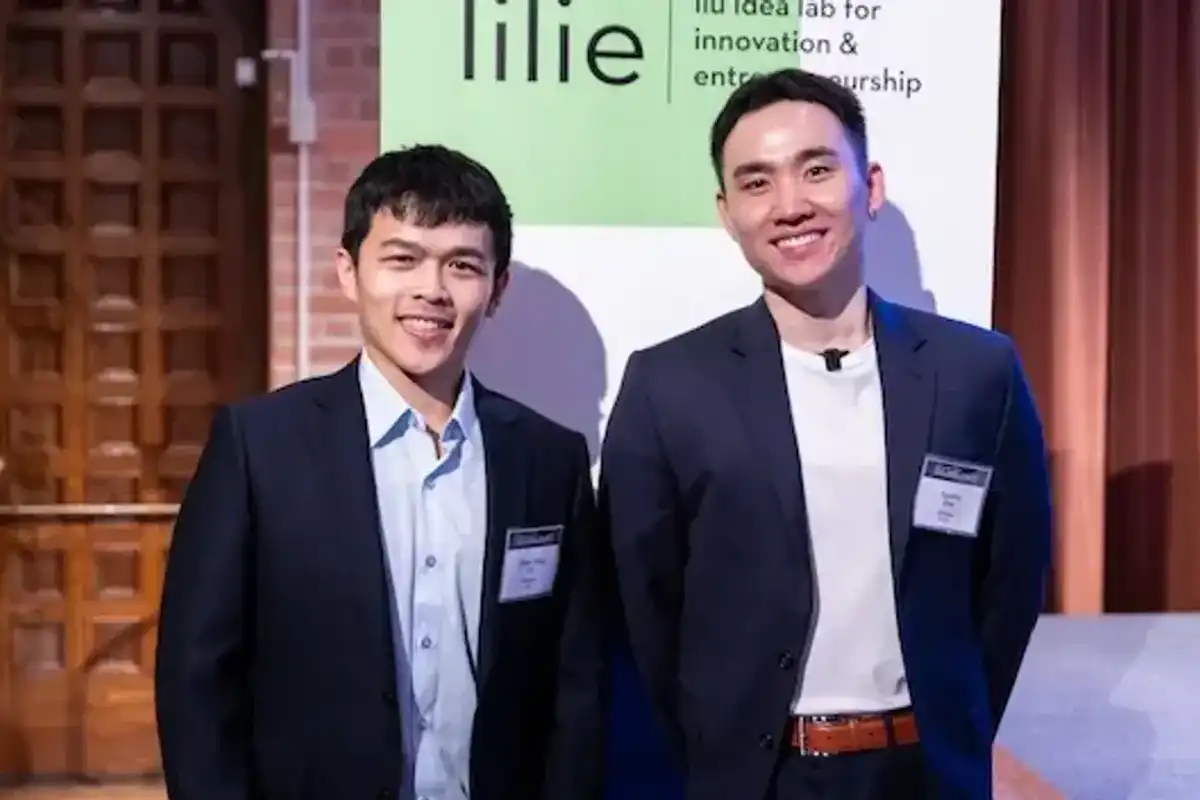
HEXAspec, founded by Tianshu Zhai and Chen-Yang Lin, has been awarded an NSF Partnership for Innovation grant. Photo courtesy of Rice
HEXAspec, a spinout from Rice University's Liu Idea Lab for Innovation and Entrepreneurship, was recently awarded a $500,000 National Science Foundation Partnership for Innovation grant. The team says it will use the funding to continue enhancing semiconductor chips’ thermal conductivity to boost computing power. HEXAspec has developed breakthrough inorganic fillers that allow graphic processing units (GPUs) to use less water and electricity and generate less heat. The technology has major implications for the future of computing with AI sustainably. Continue reading.
Oxy's Vicki Hollub becomes first woman to win prestigious energy award

Oxy CEO Vicki Hollub (center) is the first woman to win WPC Energy's Dewhurst Award. Photo via 1pointfive.com
Vicki Hollub, president and CEO of Houston-based Occidental (Oxy), has become the first woman to win WPC Energy’s prestigious Dewhurst Award. Hollub is the thirteenth recipient of the award, which is considered the highest honor from WPC Energy, a global, non-advocacy, non-political nonprofit organization that promotes the sustainable management of energy and energy products. She is just the fourth U.S. winner since the award launched in 1991. Continue reading.
10+ must-attend Houston energy transition events happening in Q3 2025

Houston Energy and Climate Startup Week returns in September. Photo via GHP
Q3 is here, and with it, a full slate of must-attend events for Houston energy professionals. On the agenda are casual mixers, exciting showcases, week-long happenings, and more. Mark your calendars for these top Houston energy transition events coming up from July to September 2025, and begin registering today. Continue reading.