








Editor's note: The top energy transition news for March includes the "missing link" in scaling e-waste recycling and Houston's future as a leader in CCUS. Plus, we preview the teams pitching at the Energy Venture Day competition during CERAWeek. Here are the five most-read EnergyCapitalHTX stories from March 1-15:
1. Houston researchers propose model to scale e-waste recycling
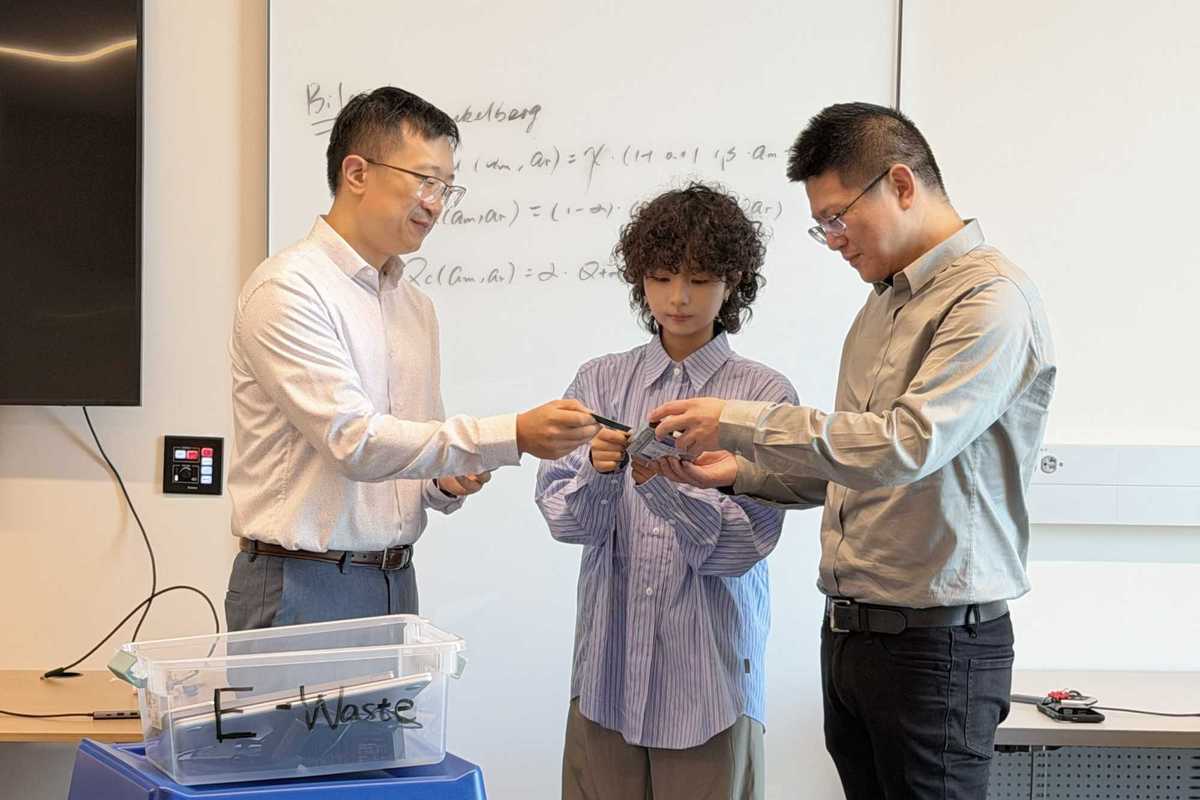
Jian Shi, Chuyue Wang and Kailai Wang have developed a model that aims to make recycling e-waste economically viable and help recover critical minerals needed for EVs. Photo courtesy UH.
The “missing link” in critical minerals may have been in our junk drawers all along, according to new research from the University of Houston. Jian Shi, an associate professor in the UH Cullen College of Engineering, and his team have unveiled a new supply chain model that aims to make e-waste economically viable and could help make large-scale recycling possible. Continue reading.
2. Houston positioned to lead in Carbon Capture Utilization (CCU), study shows
Jane Stricker reflects on four years at HETI. Courtesy photo
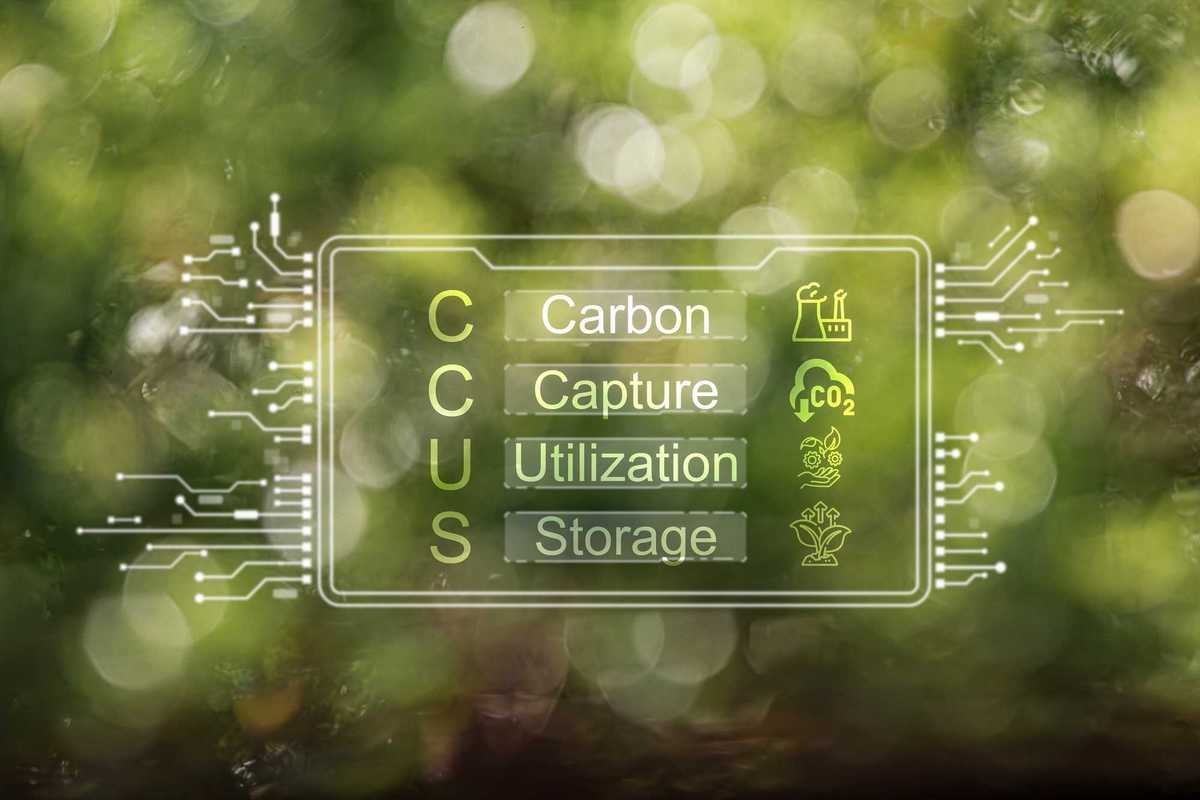
With global demand for energy production while lowering emissions continues to grow, Houston and the Gulf Coast region are uniquely positioned to lead with carbon capture, utilization and sequestration (CCUS). A new study developed by the Houston Energy Transition Initiative (HETI) in collaboration with Deloitte Consulting explores how the region can transform captured CO₂ into valuable products while supporting continued economic growth and industrial competitiveness. Continue reading.
3. Houston cleantech startup seeks $200M for superhot geothermal plant
 Houston cleantech startup seeks $200M for superhot geothermal plant
Quaise Energy is developing Project Obsidian, a superhot geothermal plant in central Oregon. Rendering via quaise.com.
Houston-based Quaise Energy is looking to raise $200 million to support the development of a 50-megawatt superhot geothermal plant in Oregon. The company is seeking $100 million in Series B funding, plus an additional $100 million from grants, debt and project-level finance, a representative from the company tells EnergyCapital. Continue reading.
4. 40+ teams to pitch at annual CERAWeek clean energy competition
 40+ teams to pitch at annual CERAWeek clean energy competition
Houston-based HEXASpec took home the top TEX-E prize and $25,000 at last year's Energy Venture Day and Pitch Competition. Photo courtesy TEX-E.
The Rice Alliance for Technology and Entrepreneurship, the Houston Energy Transition Initiative (HETI), the Texas Entrepreneurship Exchange for Energy (TEX-E) and the Ion have named the 30-plus energy ventures and teams that will pitch at the 2026 Energy Venture Day and Pitch Competition during CERAWeek this month. The selected ventures are "driving efficiency and advancements toward the energy transition," according to the Rice Alliance. Continue reading.
5. Texas data center boom could strain water supply, new report warns

A new report shows that Texas data centers used 25 billion gallons of water in 2025. Photo via HARC report.
As data centers continue to boom throughout Texas, a new report from the Houston Advanced Research Center (HARC) warns that the trend could strain the state’s water supply. HARC estimates Texas data centers used 25 billion gallons of water in 2025—and that the demand for water will continue to rise to meet the needs of the 464 data centers currently in Texas, as well as 70 additional sites currently under development. Continue reading.