








Editor's note: From CenterPoint doubling down on resiliency to Ethos Energy being acquired, these are the top headlines that resonated with EnergyCapital readers on social media and daily newsletter this week.
CenterPoint Energy announces $5B expanded resiliency plan
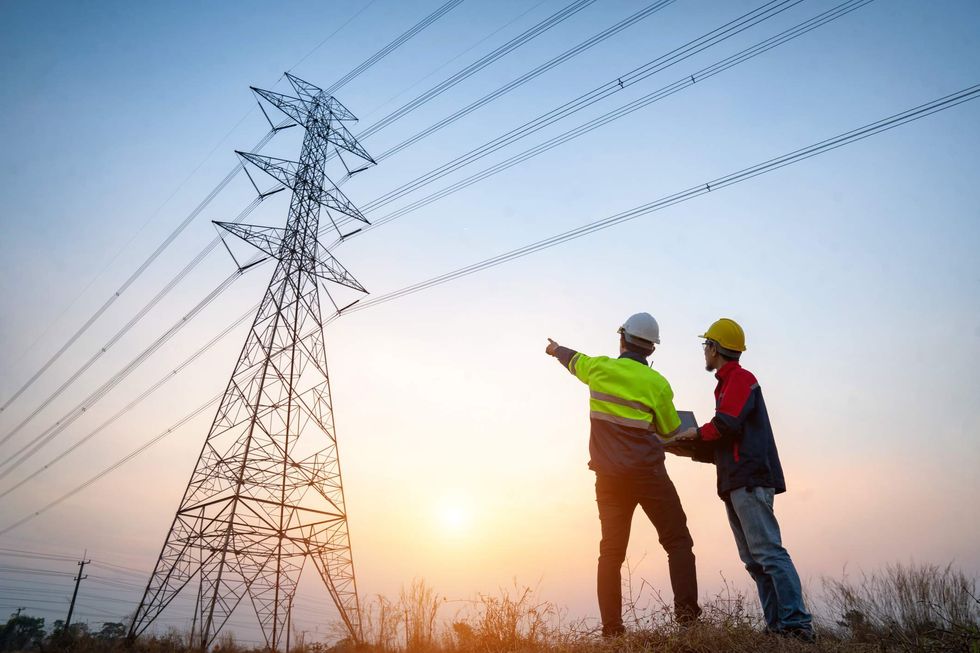
CenterPoint has committed to "the largest investment in Greater Houston infrastructure in the company's nearly 160-year history." Photo via Getty Images
CenterPoint Energy disclosed that it's completed its core resiliency actions first phase of its Greater Houston Resiliency Initiative. The company also reports that it's outlined extra upcoming efforts.
Following the unprecedented outages of Hurricane Beryl, CenterPoint outlined its GHRI in August. As of last week, the first phase, which included more than 40 critical actions in total to strengthen the electric grid, has been completed ahead of schedule.
The company also announced a second phase of GHRI and approximately $5 billion in resiliency investment from 2026 to 2028, a figure that's around twice as much as initially promised. Continue reading.
Houston energy equipment service provider acquired by New York PE firm

One Equity Partners announced the acquisition of EthosEnergy, which focuses on rotating equipment services for power generation, energy, industrial, and aerospace and defense industry.
Houston-based energy equipment service provider EthosEnergy has been acquired by a New York private equity firm.
One Equity Partners announced the acquisition of EthosEnergy, which focuses on rotating equipment services for power generation, energy, industrial, and aerospace and defense industry. The terms of the deal were not disclosed. Continue reading.
Texas energy company partners with Ford for first-of-its-kind deal

Ford Motor Company and TXU Energy are partnering to create a first-of-its-kind retail energy offering for Ford electric SUV and truck customers in Texas via the TXU Free EV Miles program. Photo courtesy of Ford
Buckle up, Ford drivers and TXU Energy customers — you're going to want to speed toward this deal.
Ford Motor Company and TXU Energy are partnering to create a first-of-its-kind retail energy offering for Ford electric SUV and truck customers in Texas via the TXU Free EV Miles program.
The program offers Ford EV customers the opportunity to charge their vehicle at home for free during an 18-hour window. Enrollment for the “Free EV Miles program” is open to interested Ford and TXU Energy customers. Continue reading.
Roundup: Navigating Houston's two September climate-focused weeks

Houston is playing host to a ton of energy and climate-focused events next month. Photo courtesy of the Ion
Two separate weeks of climate and energy-focused weeks are organizing events and programming during the second week of September — here's what all to consider attending. Continue reading.
Texas lands largest portion of energy efficiency-focused federal grant program
The DOE funding will go toward the creation of a new Texas-based revolving loan fund that operationally matches the existing Texas LoanSTAR revolving loan program. Photo via Getty Images
Texas is among one of 17 states and territories to receive a portion of $66 million in awards for initiatives that pump federal dollars into their communities to support energy efficient projects.
The funds come from the U.S. Department of Energy's Energy Efficiency Revolving Loan Fund (RLF) Capitalization Grant Program. The RLF Program awards are intended to be put toward state-based loans and grants that go towards local businesses homeowners, and public spaces for "for energy efficiency audits, upgrades, and retrofits to increase energy efficiency," according to the DOE. Continue reading.