








Editor's note: It's the last news week of 2023 for energy transition in Houston, and some of this week's headlines resonated with EnergyCapital readers on social media and daily newsletter. Trending news included the closing of a SPAC deal, thoughts from COP28, and more.
3 takeaways from COP28 from Houston biotech, sustainability founder

Fresh from COP28, Houston innovator Moji Karimi shared his biggest observations from the event. Photo courtesy of Digital Wildcatters
Before he even had a chance to recover from the jetlag, Moji Karimi was thinking about his biggest takeaways from 2023 United Nations Climate Change Conference or Conference of the Parties, more commonly known as COP28.
Karimi, CEO and co-founder of Cemvita, a biotech company with sustainable solutions for the energy transition, joined the Houston Innovators Podcast this week to discuss what his biggest takeaways were.
"It was a pretty amazing experience," Karimi says, comparing the event to how CERAWeek has evolved to really have a strong presence in its innovation-focused track called Agora. "This year you had a massive section for innovation and sustainability. I think that will become a theme in COP29 and beyond to bring entrepreneurs, investors, and more participating in the event." Read more.
Texas company lines up hundreds electric-hybrid planes for takeoff

Behold the future JSX Aura Aero Era 19-seat hybrid-electric aircraft. Rendering courtesy of JSX
Hop-on jet service JSX is soaring into a more eco-friendly future with plans to acquire more than 300 hybrid-electric airplanes.
The Dallas-based air carrier revealed in a release that they'll add up to 332 small hybrid planes in 2028, allowing them to connect to smaller, underserved communities around the country.
"Following the Biden Administration’s call last week for the aviation industry to cut carbon emissions ... JSX expects to take delivery of its first hybrid-electric aircraft in 2028, shepherding the next chapter of regional aviation as the first in its category to adopt this impactful cutting-edge renewable energy technology," JSX says in the release. Read more.
Big deals: Most trending M&A, transaction news from Houston's energy transition in 2023

Acquisitions, joint venture deals, offtake agreements — here's what news of energy transition deals in Houston trended this year. Photo via Getty Images
Editor's note: As the year comes to a close, EnergyCapital is looking back at the year's top stories in Houston energy transition. From acquisitions to offtake agreements, this year marked a big one for some of Houston's energy transition companies. Here were the top five most-read articles covering deals of 2023. Read more.
LYB buys in on plastics recycling co., a podcast to stream, and more to know this week

Looking back at top energy transition news from the year, a podcast to stream, and more of what to know going into the last week of 2023. Photo via Getty Images
Editor's note: It's a new week — start it strong with three quick things to catch up on in Houston's energy transition: looking back on top news from 2023, a podcast to stream, and more. Read more.
Houston-area high-tech monitoring device co. IPOs with close of SPAC deal
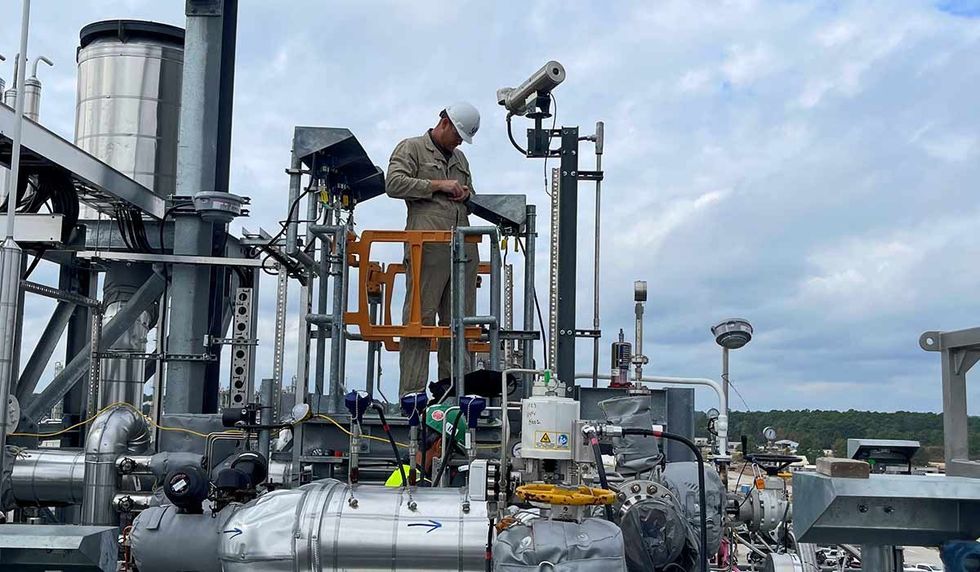
A deal that's been a year in the making has officially closed. Photo via infraredcameras.com
A special purpose acquisition company has sealed the deal on its acquisition of a company with thermal imaging and sensing platform technology.
SportsMap Tech Acquisition Corp. (NASDAQ: SMAP) announced the close of its acquisition of Beaumont-based Infrared Cameras Holdings Inc. (ICI), which will be the name of the combined company. The new ticker symbol for the combined company’s common stock and public warrants will be ticker symbols “MSAI” and “MSAIW,” respectively.
“The close of the business combination represents a monumental milestone for our company, as we view the business to be well-suited for the public market," Infrared Cameras’ CEO Gary Strahan says in a news release. Strahan and his executive team will continue to lead the company. Read more.