Editor's note: From Christmas tree recycling to a $50 million clean fuels deal, these are the top headlines that resonated with EnergyCapital readers on social media and daily newsletter this week.
What to know about the new emission inspection to register your car in Texas

An inspection is no longer required to renew registration, but an emission evaluation is. Photo by Manuel Velasquez/Unsplash
Beginning January 1, 2025, Texas vehicle owners will no longer need to obtain a safety inspection prior to vehicle registration. House Bill 3297, passed during the 88th Legislature in 2023, eliminates the safety inspection program for non-commercial vehicles.
Under the new law, the $7.50 fee that drivers had to pay as a safety inspection fee has not gone away. It now appears on your registration notice under a new name: "Inspection Program Replacement Fee."
This name change comes courtesy of the legislature, who want to keep collecting this fee because the funds go to state programs such as construction and expansion of state highways — funds they previously collected from the Safety Inspection Fee. Continue reading.
City of Houston provides recycle stations for Christmas tree drop off

Now that it's less merry and bright, do the right thing and recycle your tree with the city of Houston. Photo by Daeun Kim on Unsplash
As the holiday season comes to a close, you might be wondering what's the most sustainable way to say goodbye to your beloved Christmas tree. A city program has your solution.
The city of Houston's Solid Waste Management Department has opened 22 residential tree drop-off recycling locations throughout the area. Locals can take their live trees to one of these centers across the city, where they will be repurposed for mulch or other landscape materials.
This tree recycling program, which runs Thursday, December 26, 2024, through Friday, January 24, 2025, is part of the city of Houston for the 34rd annual tree mulching event. Continue reading.
Houston clean fuels co. secures $50M investment from Diamondback Energy subsidiary

With the deal, Midland, Texas-based Cottonmouth will make a $50 million equity investment into Houston-based Verde. Image via Shutterstock
Verde Clean Fuels announced the entry into a stock purchase agreement with Cottonmouth Ventures, a wholly-owned subsidiary of Diamondback Energy.
With the deal, Midland, Texas-based Cottonmouth will make a $50 million equity investment into Houston-based Verde.
The investment will consist of the purchase of 12.5 million shares of Verde’s Class A common stock at a purchase price of $4.00 per share. Closing of the investment is anticipated to occur during the first quarter of the new year, which will be subject to satisfaction of customary closing conditions. The investment would represent the second investment by Cottonmouth in Verde over the past two years, which would equal a total investment of $70 million. This would make Cottonmouth the second largest shareholder of Verde.
“We are pleased to further our relationship with Diamondback and continue advancing our plans to deploy our technology through the development of commercial production plants,” Ernest Miller, CEO of Verde, says in a news release. “Diamondback is a strategic industry partner at the forefront of bringing sustainable operational practices to the oilfield and supporting the overall transition to clean energy.” Continue reading.
Robotics co. with growing Houston presence closes series B
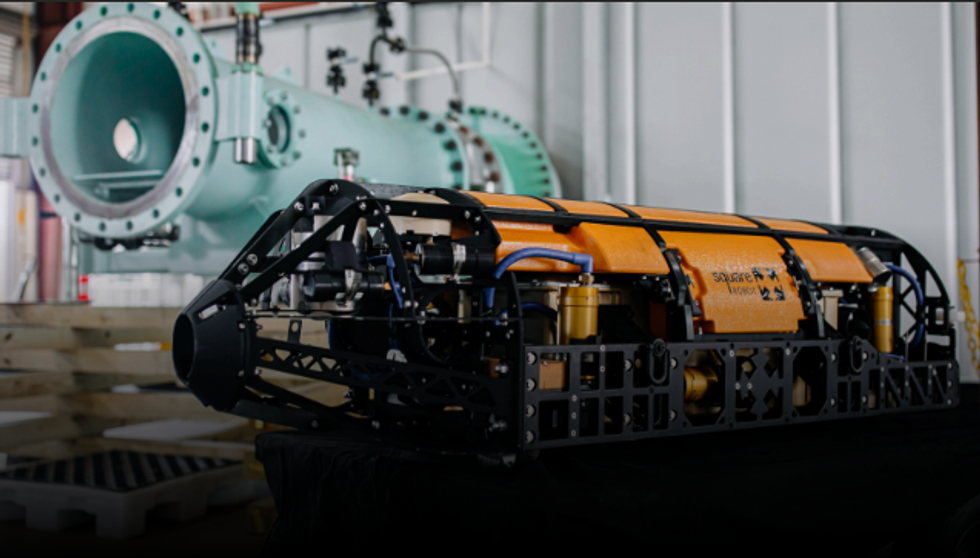
The advanced submersible robotics company will put the funds toward international expansion. Photo courtesy of Square Robot
Houston- and Boston-based Square Robot Inc. closed a series B round of funding last month.
The advanced submersible robotics company raised $13 million, according to Tracxn.com, and says it will put the funds toward international expansion.
"This Series B round, our largest to date, enables us to accelerate our growth plans and meet the surging global demand for our services,” David Lamont, CEO, said in a statement. Continue reading.
ExxonMobil, Worley to bring low-carbon hydrogen project to Baytown
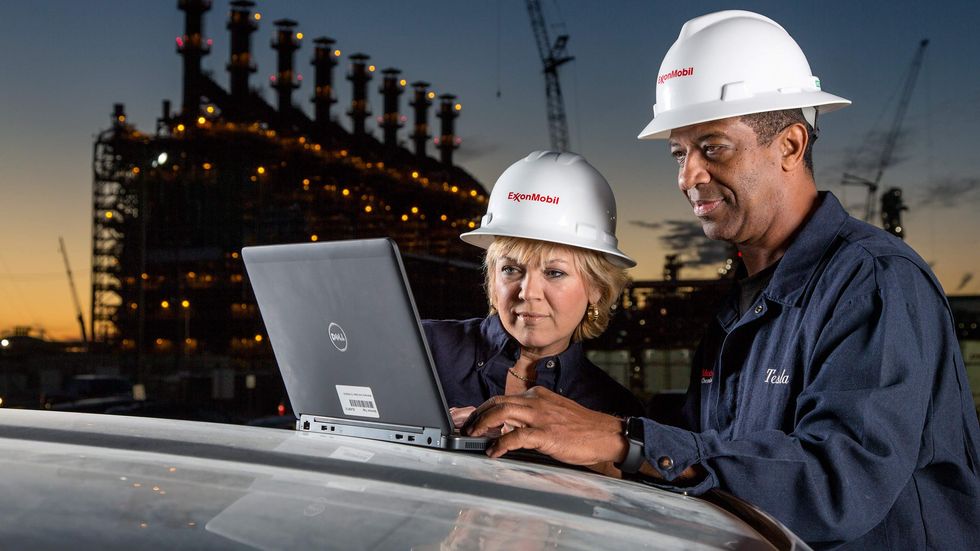
The facility in Baytown is expected to produce 28.3 million cubic meters of low-carbon hydrogen daily. Photo via exxonmobil.com
ExxonMobil selected Australia-based engineering and professional services company Worley to provide engineering, procurement and construction services for a proposed hydrogen and ammonia production facility in Baytown, which is expected to have a production capacity of 1 billion cubic feet of blue hydrogen per day. ExxonMobil expects the facility will be the largest of its kind in the world.
“We are delighted to continue our strategic, global relationship with ExxonMobil in its execution of upcoming projects, particularly in delivering this EPC project on the US Gulf Coast, which contributes significantly to strengthening Worley’s backlog,” Chris Ashton, CEO of Worley, states, according to Offshore Energy. Continue reading.