








Editor's note: We're looking back at the biggest Houston energy transition stories for the second half of September. From Hobby's new solar canopy to the most promising clean tech startups, here's the top energy news to know from September 15-30, 2025:
1. Hobby debuts solar canopy as airport system reaches new sustainability milestone
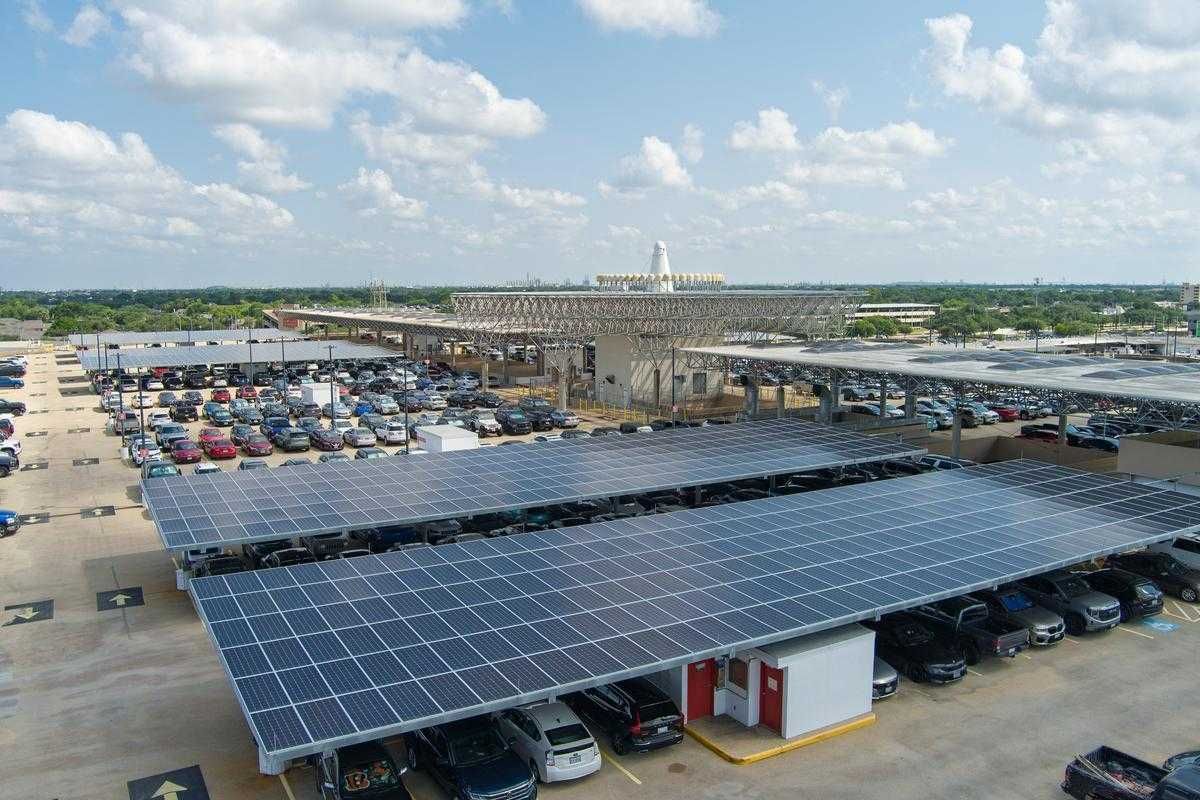
Hobby's solar canopy. Courtesy photo
Houston's William P. Hobby Airport is generating its own clean energy. Houston Airports announced that Hobby's red garage is now home to a "solar canopy" that is producing energy at 100 percent capacity to power daily operations. The photovoltaic (PV) solar system generated more than 1.1 gigawatt-hours of electricity in testing, and is expected to produce up to 1 megawatt-hour now that it's operating at full power.
“This project is proof that sustainability can be practical, visible and directly tied to the passenger experience,” Jim Szczesniak, director of aviation for Houston Airports, said. Continue reading.
2. Houston Methodist leader on the push for sustainable health care and new local event

Dr. Faisal N. Masud, medical director of critical care at Houston Methodist and a champion for sustainability efforts. Courtesy photo
Every industry can play a role in the energy transition, and Houston Methodist is leading the charge in the health care sector. Culminating at September's inaugural Green ICU Conference, part of Houston Energy and Climate Startup Week, the health care system has spent the last three years taking a closer look at its environmental footprint—and showing other hospital systems and medical organizations how they too can make simple changes to reduce emissions.
The event brought together health care professionals, industry leaders, policymakers and innovators to explore solutions for building a more sustainable healthcare system. Continue reading.
3. Rice Alliance Energy Tech Venture Forum names most-promising startups

Ten climatetech startups were named most-promising at this annual Rice Alliance Energy Tech Venture Forum. Photo courtesy Rice Alliance.
Investors at the Rice Alliance Energy Tech Venture Forum have named the 10 most-promising startups among the group of 100 clean tech companies participating in the event.
The 22nd annual event was held September 18 at Rice University’s Jones Graduate School of Business and was part of the second Houston Energy and Climate Startup Week. The most-promising startups will receive $7,000 in in-kind legal services from Baker Botts. Continue reading.
4. Daikin to run massive Houston-area campus on solar power through new Engie partnership

Daikin has tapped Engie North America to provide clean electricity for its Texas facilities, including the massive Daikin Texas Technology Park. Photo courtesy Daikin.
Japan-based HVAC manufacturer Daikin has struck a five-year deal with Houston-based Engie North America to fully power its Texas facilities with renewable energy.
The deal includes Daikin Texas Technology Park (DTTP), home to the company’s North American headquarters and its largest factory (and one of the largest factories in the world). The more than $500 million, 4.2 million-square-foot campus sits on nearly 500 acres in Waller. Continue reading.
5. Solar tracking manufacturer opens second Houston facility
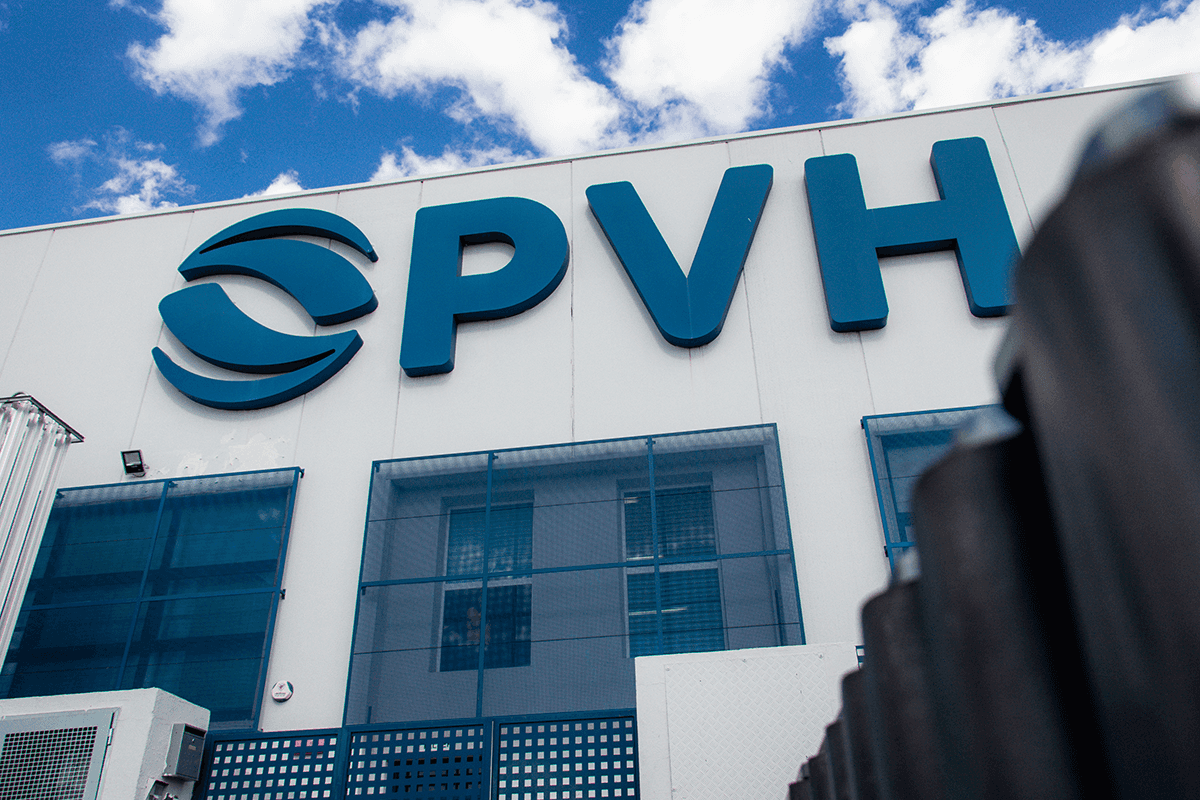
PV Hardware USA has opened a new 95,000-square-foot manufacturing facility in Houston. Photo via pvhardware.com.
PV Hardware USA, a provider of solar tracking and foundation solutions, has announced the opening of its second U.S. manufacturing facility in Houston, which is expected to create more than 100 jobs locally and strengthen domestic production capacity for solar energy facilities.
The 95,000-square-foot facility began operations in July and aims to increase production while reducing lead times for customers. The new state-of-the-art building joins the company’s first $30 million U.S. manufacturing facility, which opened in Houston in May 2024 as one of America’s largest solar tracker manufacturing facilities. Continue reading.