DAC deal
1PointFive signs latest deal, shares update on $1.3B carbon removal project
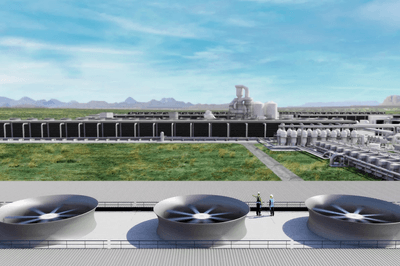
The first phase of 1PointFive's major direct air capture project is expected to come online in Q2. Photo via 1pointfive.com
Houston-based 1PointFive, a subsidiary of Occidental Petroleum Corp., has secured another buyer of carbon dioxide removal credits for its $1.3 billion STRATOS project as it moves toward operation.
Bain & Company, a Boston-based consulting firm, has agreed to purchase 9,000 metric tons of carbon dioxide removal (CDR) credits from the direct air capture (DAC) facility over three years, according to a news release. DAC technology pulls CO2 from the air at any location, not just where carbon dioxide is emitted.
The deal is Bain's first purchase of DAC removal credits. The company has developed a program that helps clients purchase carbon credits from a range of carbon-removal technologies.
"We are proud to partner with 1PointFive and add them to our portfolio of engineered carbon removal technologies," Sam Israelit, Bain’s chief sustainability officer, said in the news release. "Their track record for developing DAC technology, coupled with their deep understanding of what it takes to deliver large-scale infrastructure projects, uniquely positions them to be a leader in this emerging segment.”
“We believe this agreement demonstrates continued momentum for the solution while supporting the development of vital domestic infrastructure,” Anthony Cottone, president and general manager of 1PointFive, added in the release.
Bain joins others like Microsoft, Amazon, AT&T, Airbus, the Houston Astros and the Houston Texans that have agreed to buy CDR credits from STRATOS.
The Texas-based STRATOS project is being developed through a joint venture with investment manager BlackRock and is designed to capture up to 500,000 metric tons of CO2 per year. The U.S Environmental Protection Agency approved Class VI permits for the project last year.
1PointFive says STRATOS is "progressing through start-up activities." The company shared in a LinkedIn post that Phase 1 of the project is expected to go online in Q2, with Phase 2 ramping up through the remainder of 2026.