








Editor's note: The month of May brought big news for the Houston energy sector, including a flagship energy venture fund and IPO updates. Here are the five most-read EnergyCapital stories published May 14-29, 2026:
1. Houston investment firm closes $105M energy venture fund

Houston-based investment firm Veriten has announced the initial close of its second flagship energy venture fund with more than $105 million in capital commitments. Fund II will build on Veriten’s initial fund and aim to support “scalable technology solutions for energy, power and industrial applications.” Veriten is supported by over 50 strategic partnerships in the energy, power, industrial and technology sectors, including major players like Halliburton and Phillips 66.
2. Buoyed by $1.3B sales backlog, microgrid company ERock files for IPO
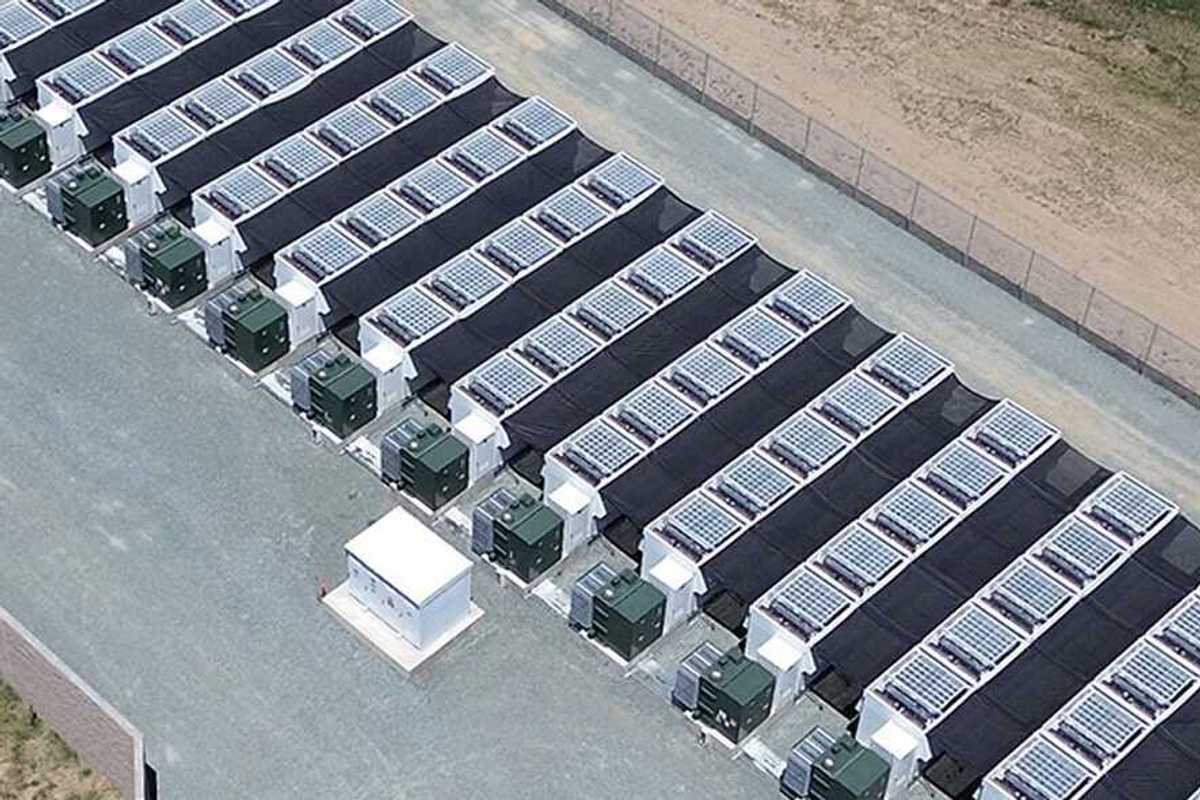
Another energy company in Houston is going public amid a flurry of energy IPOs. Houston-based ERock Inc., which specializes in utility-grade onsite microgrid systems for data centers and other customers, has filed paperwork with the U.S. Securities and Exchange Commission (SEC) to sell its shares on the New York Stock Exchange. The ERock filing follows the recent $1.9 billion IPO of Houston-based Fervo Energy, a provider of geothermal power that’s now valued at $7.7 billion.
3. Houston renewables developer signs agreement with Meta for new solar project
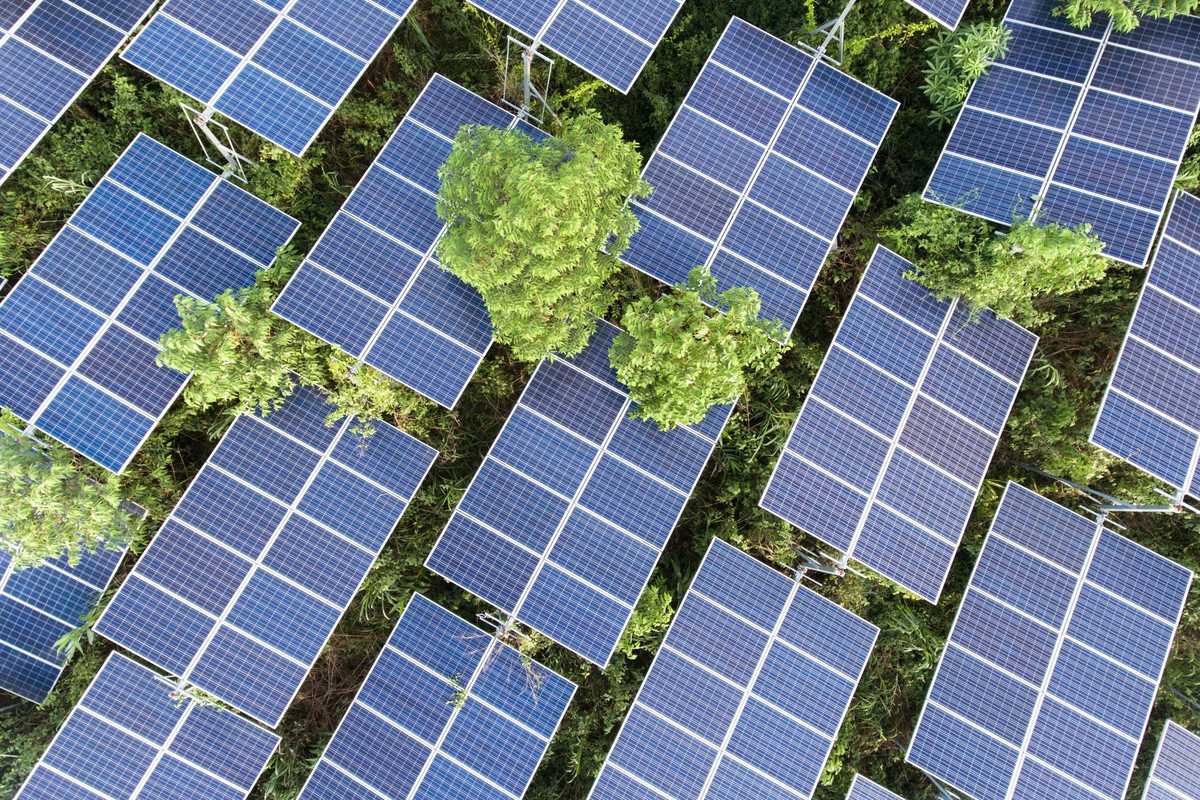
Houston-based EDP Renewables North America has signed a long-term power purchase agreement with Meta, the parent company of Facebook and Instagram, for its forthcoming Cypress Knee Solar project. The 250‑megawatt solar project will be built in Arkansas and is expected to come online by 2028. The company says the project will generate approximately $25 million in new revenue for Chicot County once operational.
4. Houston energy expert asks: Who pays when AI outruns the power grid?

For most of the past 20 years, U.S. electricity policy relied on predictable trends in demand. Electricity use, in most regions, increased gradually, forecasts were stable, and utilities adjusted the system in small steps. Power plants, transmission lines, and substations were generally added to reflect shifts in load, rather than growth, and costs were recovered through modest adjustments to customer bills. Growth in AI data centers has disrupted this model. A single facility can add as much electricity demand as a small town. That demand comes all at once, runs continuously, and has little tolerance for outages. If electricity service drops even briefly, computation stops, and services shut down. Ironically, data centers need reliable service, a point that their emergence is driving concern around for the rest of the grid.
5. Report shows geoscientists earn largest salary premium in Texas

A move to Texas bolsters earnings for some, and a new SmartAsset study has revealed the top professions where the median annual earnings in the Lone Star State exceed the national median. According to the report's findings, geoscientists have the biggest "Texas premium" and make a $159,903 median annual salary. Texas' salary for geoscientists is 61 percent higher than the national median for the same position (after adjusting for regional price parity).