Editor's note: September is a big month for the energy sector in Houston, bringing marquee events to town, alongside big news headlines. From a Fervo-Google powerhouse deal to NVIDIA's $2 billion investment, here are the five most-read energy transition headlines published September 1-15, 2026:
Fervo Energy strikes largest-ever power deal with Google
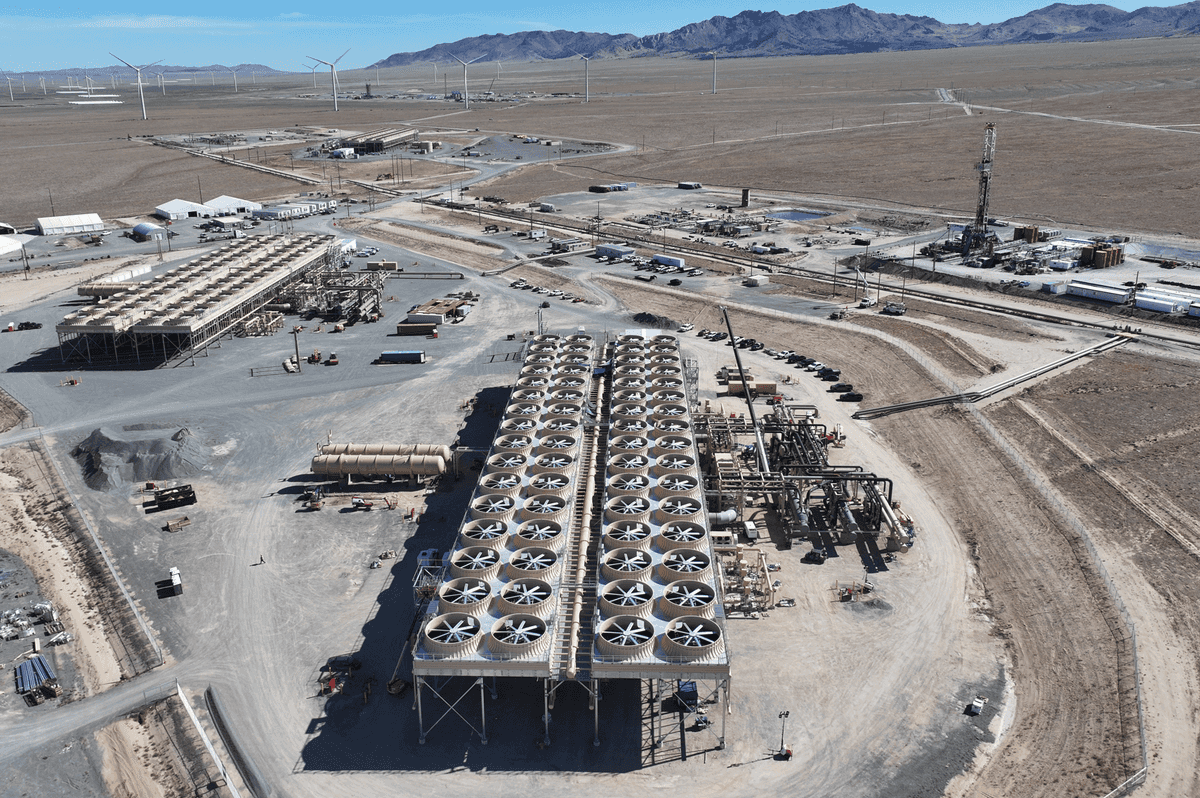
In its largest-ever purchase agreement, Houston-based geothermal company Fervo Energy will supply 396 megawatts of power to tech powerhouse Google. The deal includes an option for Google to expand capacity by about 600 megawatts, for a total of 1 gigawatt, by June 2030, according to Fervo. Financial terms weren’t disclosed. Google will purchase carbon-free energy from Fervo for a potential data center in Utah, where Fervo is building its more than $2 billion Cape Station geothermal project. Continue reading.
In $2 billion deal, NVIDIA takes 20% stake in Woodlands-based Lancium
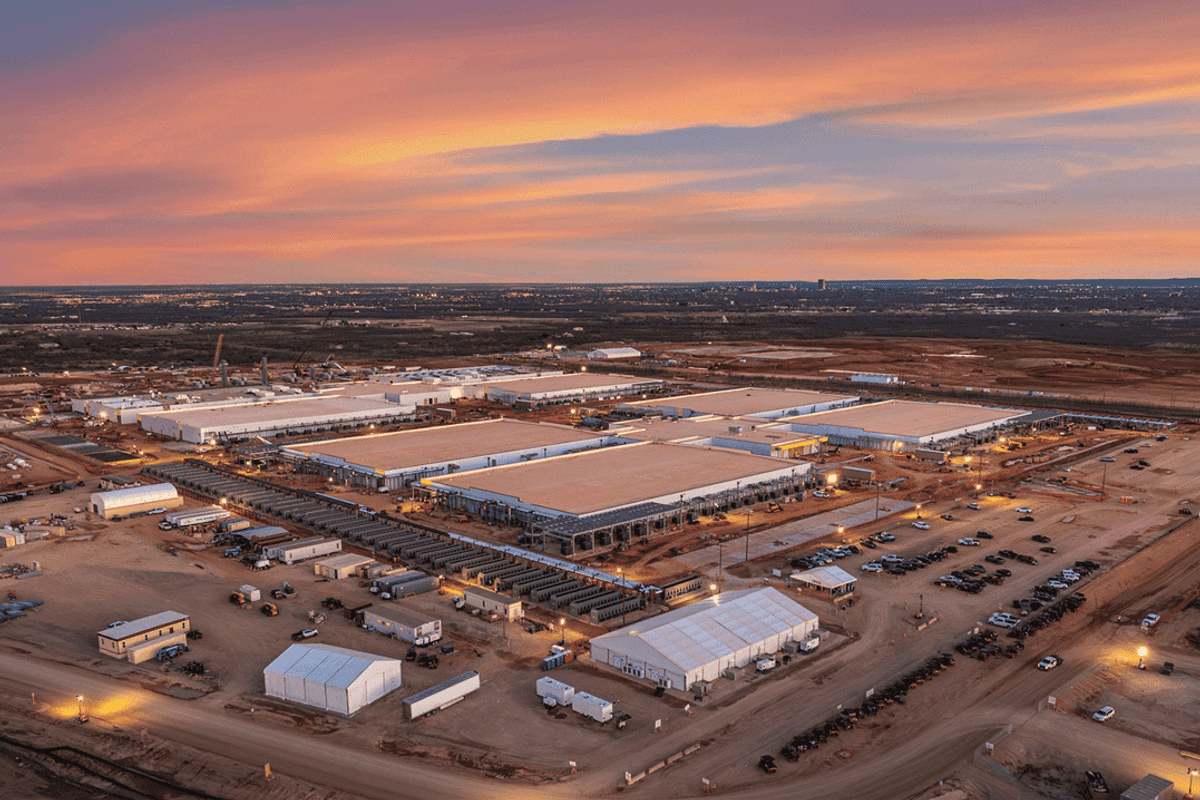
Lancium has partnered with AI leader NVIDIA. Photo courtesy Lancium
With an initial investment of $2 billion, AI chip manufacturer NVIDIA just acquired a 20 percent stake in The Woodlands-based Lancium, which develops large-scale campuses that combine AI data centers and onsite power supplies. Lancium didn’t disclose the dollar amount. The Information, a news website, reported NVIDIA’s investment totaled $2 billion, with the possibility of an additional $1 billion if Lancium achieves certain milestones. Continue reading.
Meet the 80+ startups pitching at Houston Energy and Climate Week

One of the highlights from Houston Energy and Climate Week is hearing directly from the up-and-coming founders working to reshape the energy landscape. This year, dozens of startups from Brazil to Berkeley and from right here in the Bayou City will compete for cash prizes and bragging rights while showcasing their concepts at HECW pitch events. Continue reading.
San Antonio company breaks ground on 347MW solar project outside of Houston
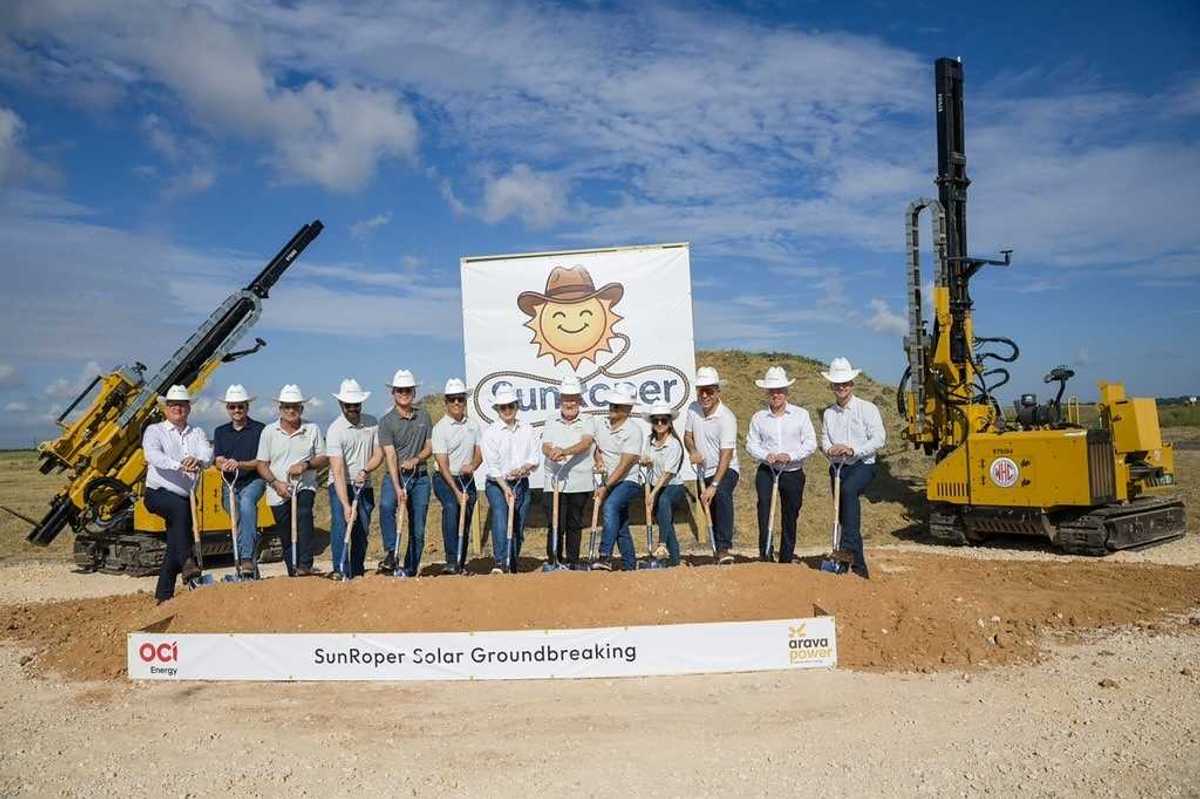
Crews have broken ground on the forthcoming 347-megawatt direct-current SunRoper Solar project in Wharton County, Texas, that will add capacity to the ERCOT grid. The solar project, which is slated to begin operations in December 2027, will provide electricity to an undisclosed Fortune 100 company under a long-term power purchase agreement. Continue reading.
UH team lands $2.9M DOE grant to develop next-gen magnets with AI
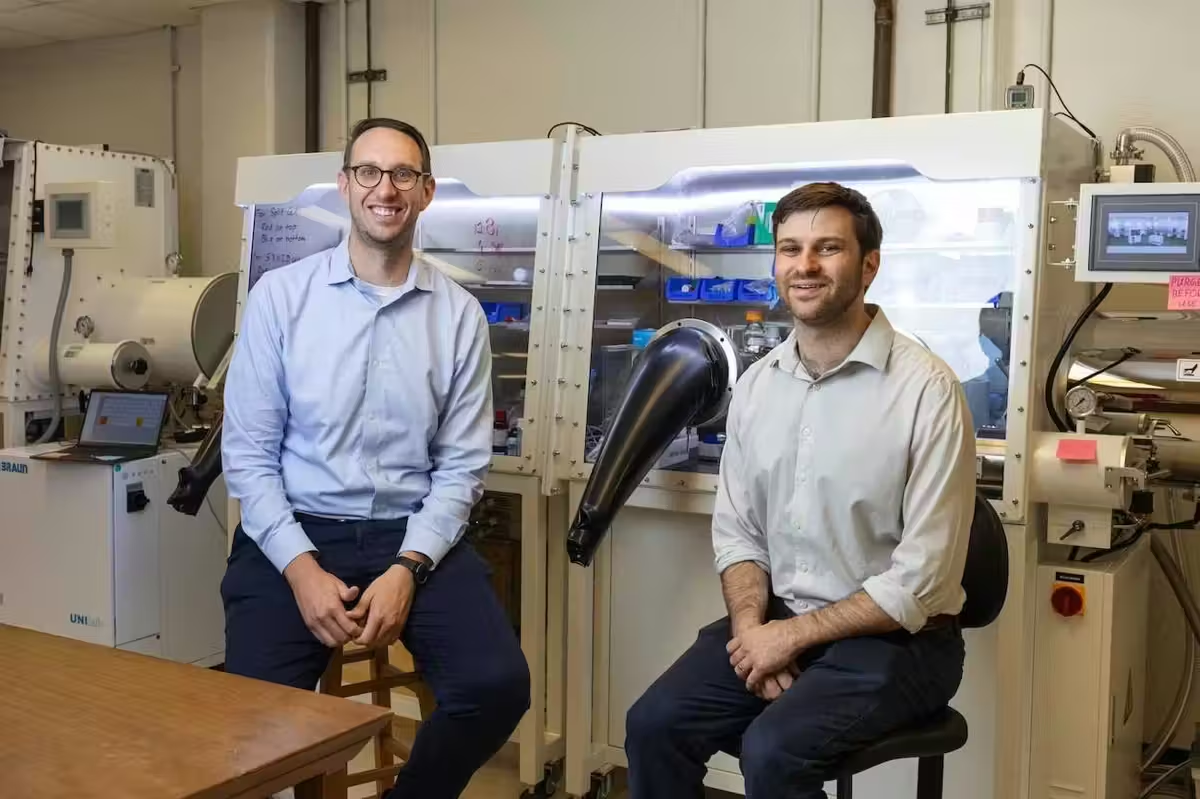
University of Houston researchers are leading an effort to find alternatives to a key element of the U.S. economy. A UH-led coalition is exploring the use of AI to design and manufacture next-generation permanent magnets for the energy and industrial sectors. The project seeks to develop new, more sustainable magnets that reduce U.S. reliance on vulnerable foreign sources of critical minerals, primarily China. A nearly $2.9 million grant from the U.S. Department of Energy supports the work. Continue reading.