




Trending News

Stardust Power, Power Electronics expand to Houston and more top energy news

Power Electronics will open one of the largest manufacturing sites for power conversion systems in the U.S. Photo courtesy Power Electronics

Editor's note: October brings big updates for the energy transition sector, with two companies expanding to Houston and two more announcing major funding. Here are the five most-read stories published on EnergyCapital from September 30-October 15, 2026:

Lithium refiner expands into Houston with new Energy Corridor office
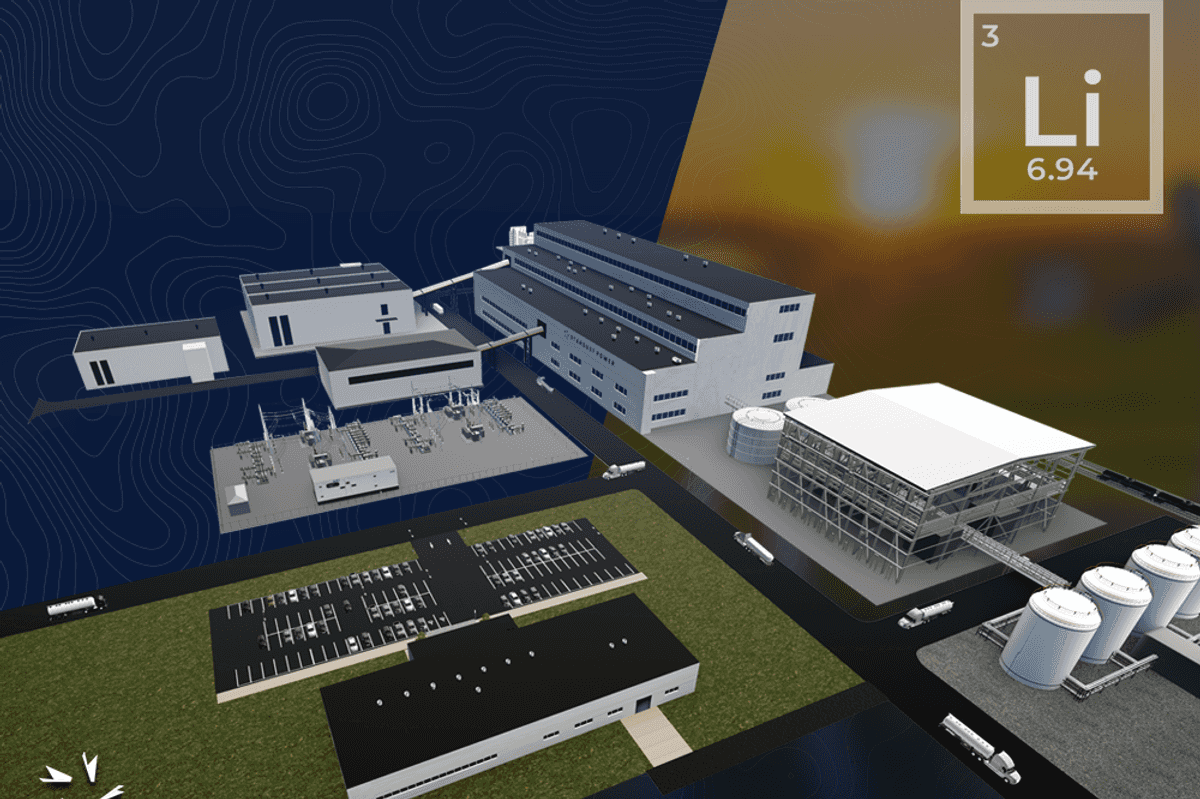
Battery-grade lithium carbonate manufacturer Stardust Power has expanded into Houston’s Energy Corridor, the company tells EnergyCapitalHTX. The company’s new office will serve as a project execution hub to support operations and planning for the company’s forthcoming lithium refinery in Muskogee, Oklahoma. The Greenwich, Connecticut-based, publicly traded company says the facility will be one of the largest lithium refining operations in the United States. The refinery is expected to have production capacity of up to 50,000 metric tons per year and seeks to address the critical shortage of U.S. lithium refining capacity. Continue reading.

Houston geothermal company picks Nevada site for commercial-scale project
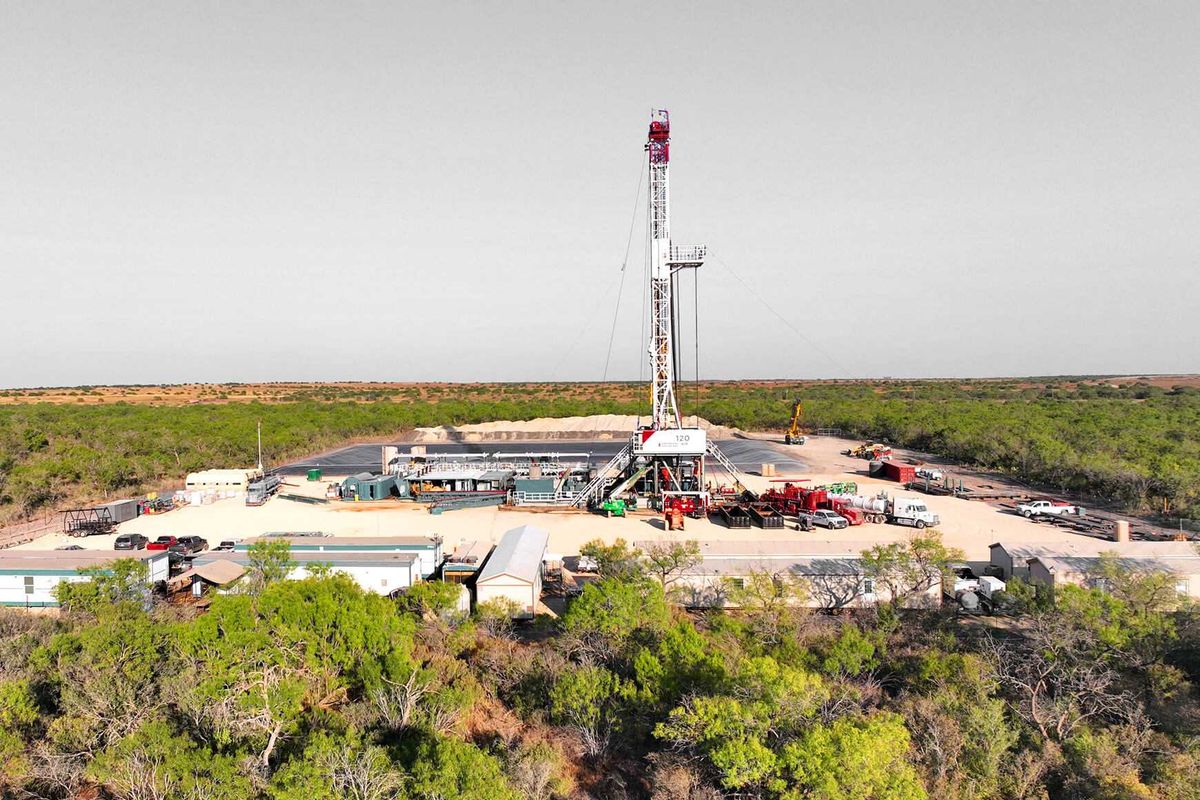
Sage Geosystems, a Houston-based developer of geothermal power systems, has chosen a site in Nevada for its commercial-scale Project Vector facility. The company’s two-well enhanced geothermal system (EGS) will deliver around-the-clock geothermal heat to Ormat Technologies’ Blue Mountain geothermal power plant in Winnemucca, Nevada. The startup expects to begin drilling the first well later this year, with the first electricity to be generated in 2027 and full-scale production to start in 2028. Continue reading.

Houston carbon removal company secures $35M in financing
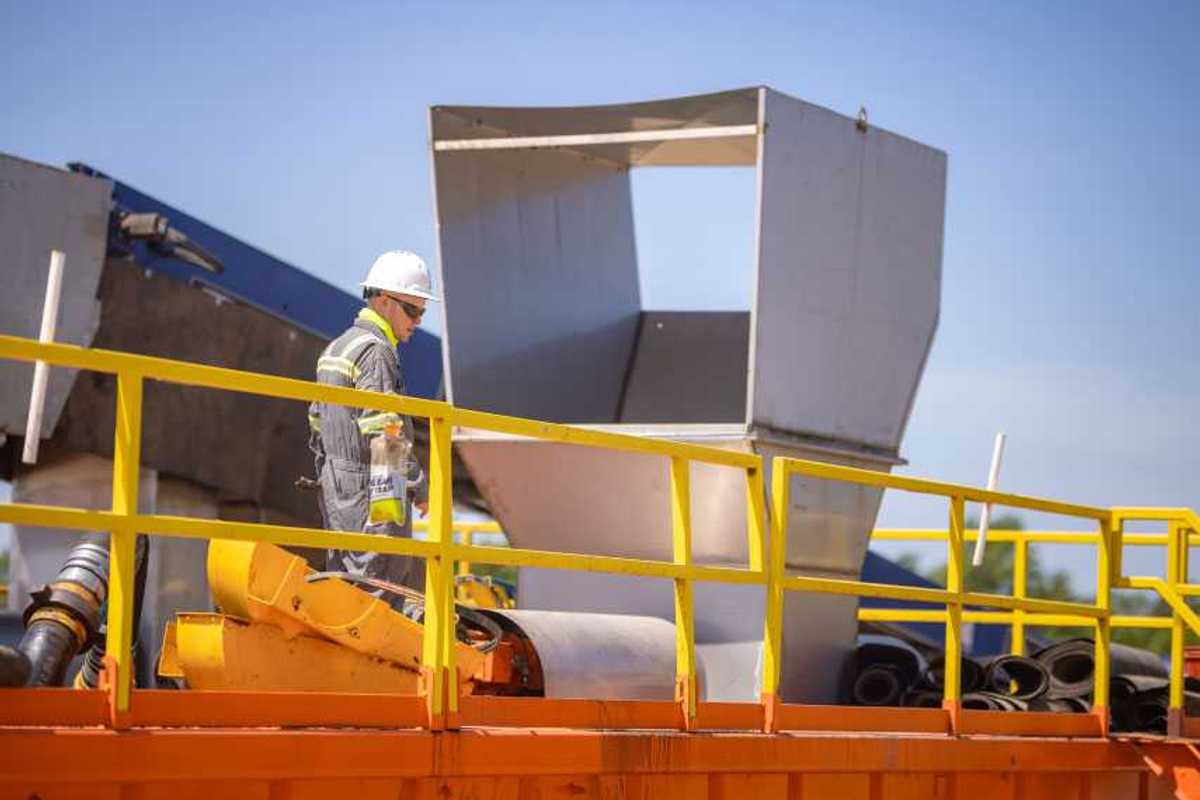
Houston-based Vaulted Deep, a waste management and carbon removal company, has announced a major $35 million debt facility from Italian investment bank Mediobanca to support its national expansion. U.K.-based market energy solutions CFP Energy arranged the deal, which is “the largest publicly disclosed U.S. commercial debt deal in durable carbon removal to be secured by long-term purchase contracts,” according to a news release from the companies. Continue reading.

Hertha Metals raises $133M Series A round, plans high-purity iron plant
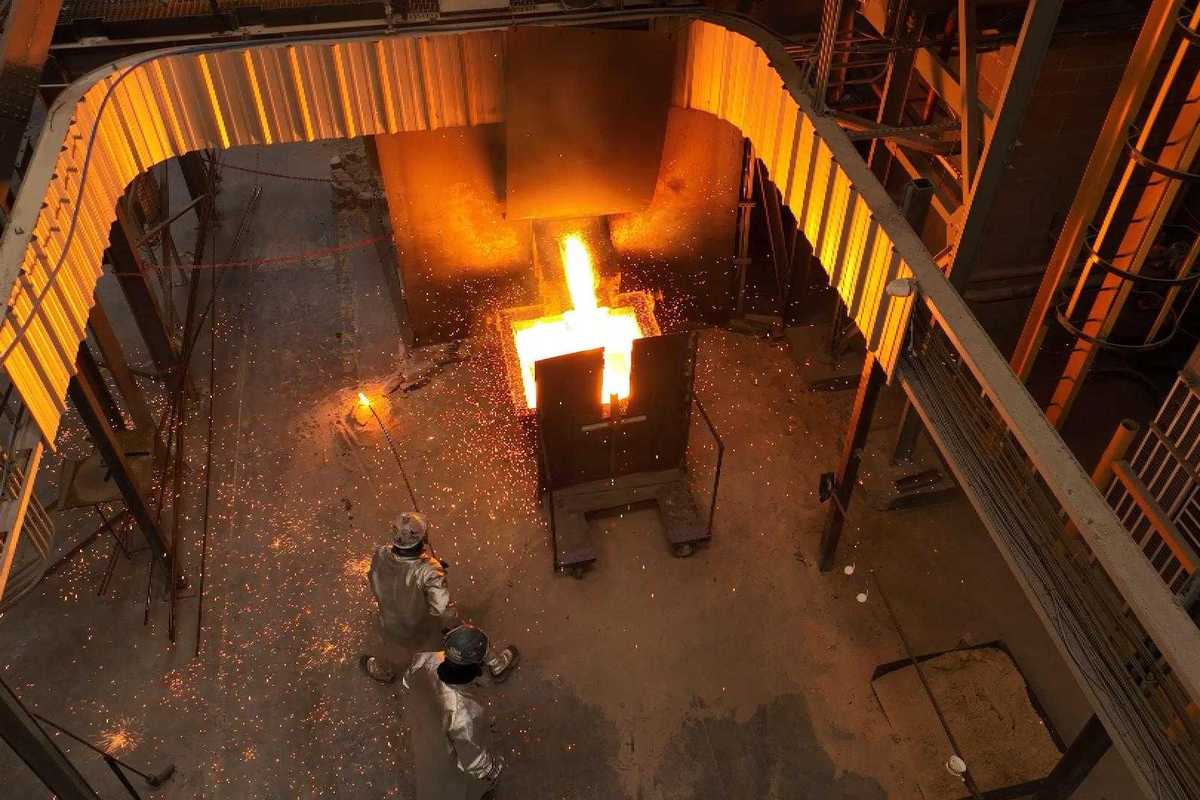
Conroe-based Hertha Metals has closed a $133.65 million Series A round that includes a $65 million equity investment from the Pentagon. The startup uses a one-step process to convert iron into molten steel or high-purity iron. Khosla Ventures and Doerr Capital co-led the round, with participation from CEV, Pear Ventures, Gates Frontier, Niterra SUISO no MORI Fund, Toyota Ventures, and Siemens Financial Services. Continue reading.

European cleantech company breaks ground on Houston manufacturing site
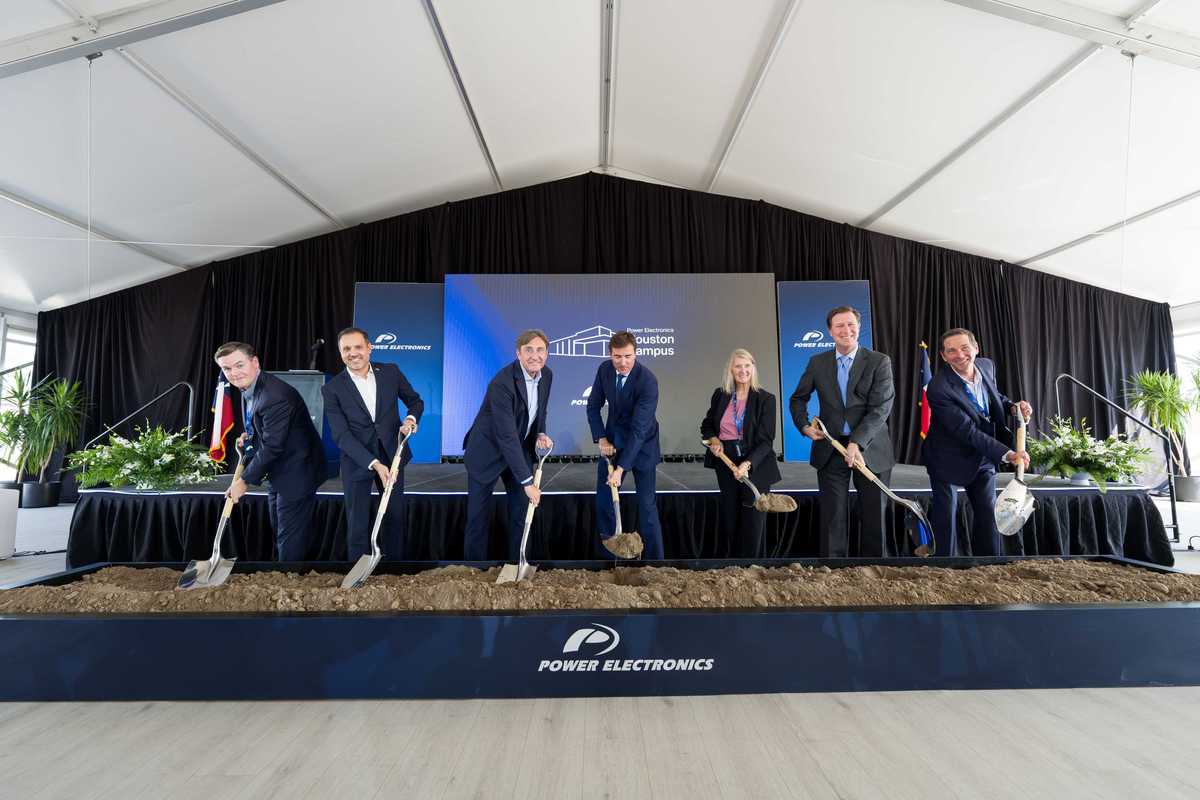
Spanish renewable energy company Power Electronics broke ground on its new 53-acre Houston campus on Sept. 24. The new site is expected to create over 400 local jobs and deliver 40 gigawatts of production capacity per year. The company said that the campus is expected to be the largest manufacturing site for power conversion systems in the U.S. Power Electronics specializes in solar, energy storage, data centers and electrification technologies. Continue reading.

Trending News

A View From HETI

A UH researcher was recently published in the Harvard Environmental Law Review. Photo courtesy UH

University of Houston Law Center research scholar Qaraman Hasan is tackling how Texas can advance carbon capture projects while simultaneously addressing public concerns and environmental issues in a new article in the Harvard Environmental Law Review.

The CCS process includes capturing carbon dioxide emissions and storing them underground with the goal of preventing them from influencing the environment and adding to pollution. In November 2025, Texas received federal approval to take over permitting authority, or primacy, of Class VI wells. Class VI wells insert CO2 into deep rock formations.

In his article “From Federal Permitting to Primacy: Balancing Environmental Protection and Climate Policy Objectives,” Hasan looks at how state and federal policy around CCS projects in Texas can be balanced with climate policy objectives, environmental protections, and community input. Currently, Hasan teaches environmental and energy law courses at the UH Law Center.

“I hope the article expands the conversation,” Hasan said in a news release. “We have the technology and the legal tools. What remains is better regulation and more constructive dialogue at the state and federal levels, so we can reduce emissions in the states and cities most burdened by pollution and store carbon securely.”

Ultimately, Hasan argues that the goal should be to streamline permitting while supporting industry development and ensuring communities feel safe and have their voices heard. The article highlights the importance of carbon capture and removal for greener climate initiatives, utilizing a Texas case study to conduct his analysis on primacy. It also considers the future sustainability and seismic ramifications of underground storage space, federal permitting processes, and how the public, agencies and AI tools can be used to approach applications.

The Intergovernmental Panel on Climate Change (IPCC) recommended CCS as an option for climate change mitigation over 20 years ago. According to the article, the Department of Energy says that reaching net-zero carbon emissions in the United States would require capturing and sequestering 400 million to 1,800 million tonnes each year until 2050.

The Biden administration previously established a goal of achieving net-zero emissions through several key strategies, including expanding carbon removal and decarbonizing electricity. Hasan notes that environmental regulations are often cited as barriers to low-carbon economy projects, but argues that effective legislation can help advance these projects without overlooking environmental impacts. He also acknowledges that permitting requirements can create initial delays.

“CCS is a significant tool for reducing emissions and protecting the environment, and it should not be dismissed out of hand,” Hasan added in the news release. “It is also one of the few climate areas with bipartisan support, which matters. With that support, it makes sense to give states the authority to regulate it when they meet federal standards, as long as safeguards are in place.”

Read Hasan’s full article here.

Trending News