








Editor's note: The top energy transition news for the month includes Veolia's $3 billion Clean Earth acquisition and ERCOT's new $9.4 billion project. Here are the five most-read EnergyCapitalHTX stories from December 1-16, 2025:
1. Hazardous waste company with Houston presence to make $3B acquisition

Veolia will acquire Clean Earth. Photo courtesy of Veolia/LinkedIn
Veolia, a Boston-based company with major operations in Texas, is purchasing hazardous-waste company Clean Earth from Enviri as part of a $3 billion deal. Veolia is a private water operator, technology provider and hazardous waste and pollution treatment company that operates a large hazardous waste treatment and incineration facility in Port Arthur. Hazardous waste treatment is a growing sector as the clean energy, semiconductor manufacturing, healthcare and pharmaceutical industries generate high levels of waste that need to be handled safely. Continue reading.
2. Federal judge strikes Trump order blocking wind energy development
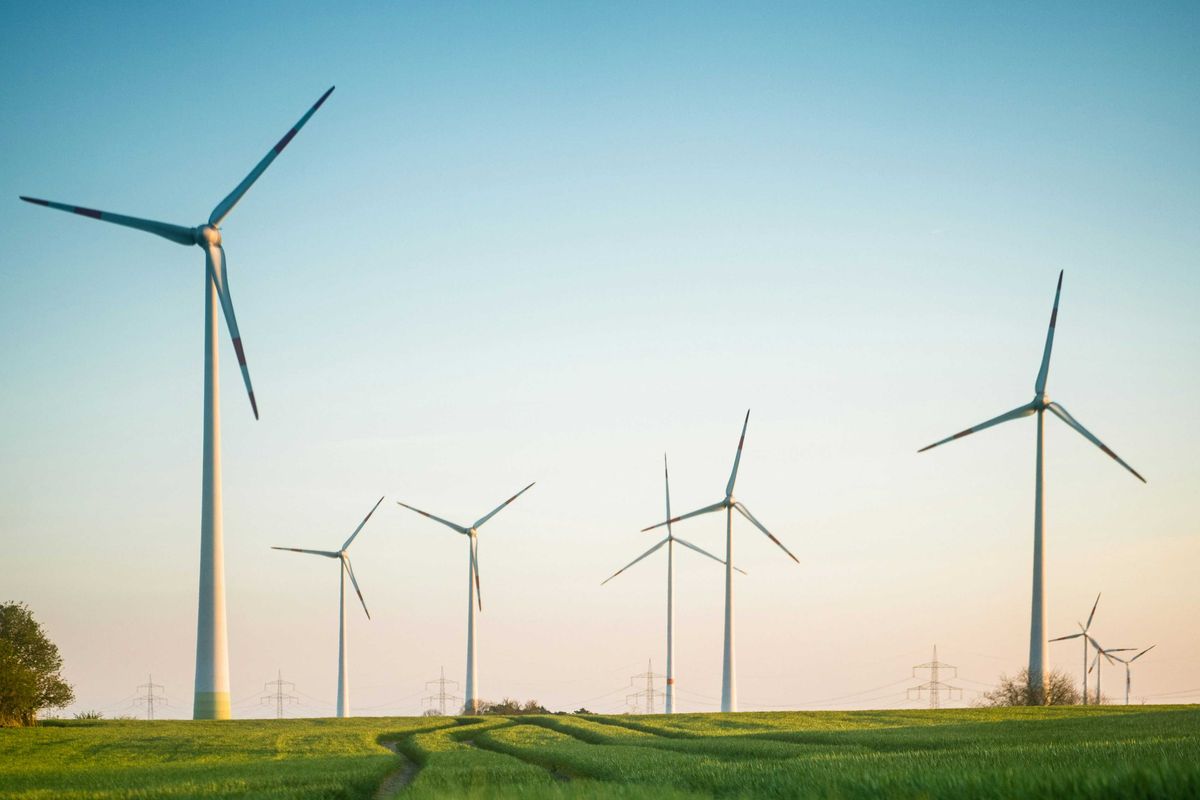
A federal judge has thrown out President Trump's executive order blocking wind energy development, calling it 'arbitrary and capricious.' Photo by Moritz Lange via Unsplash.
In a win for clean energy and wind projects in Texas and throughout the U.S., a federal judge struck down President Donald Trump’s “Day One” executive order that blocked wind energy development on federal lands and waters, the Associated Press reports. Judge Patti Saris of the U.S. District Court for the District of Massachusetts vacated Trump’s executive order from Jan. 20, declaring it unlawful and calling it “arbitrary and capricious.” Continue reading.
3. Air Liquide and Hyundai ink partnership to scale hydrogen economy
 Air Liquide and Hyundai agreed to expand hydrogen refuelling networks, storage capacity and more at a meeting in Seoul last week. Photo courtesy Air Liquide.
Air Liquide, which maintains its U.S. headquarters in Houston, and South Korea-based Hyundai Motor Group are expanding their strategic partnership to accelerate the growth of the global hydrogen ecosystem. The renewal of the companies’ Memorandum of Understanding (MoU) was announced at the Hydrogen Council CEO Summit in Seoul last week. Together, the companies will work to scale hydrogen production, storage, transportation and utilization across Europe, Korea and the United States with a concentration on heavy-duty transport, logistics and public transportation. Continue reading.
4. ERCOT approves $9.4B project to improve grid, meet data center demand
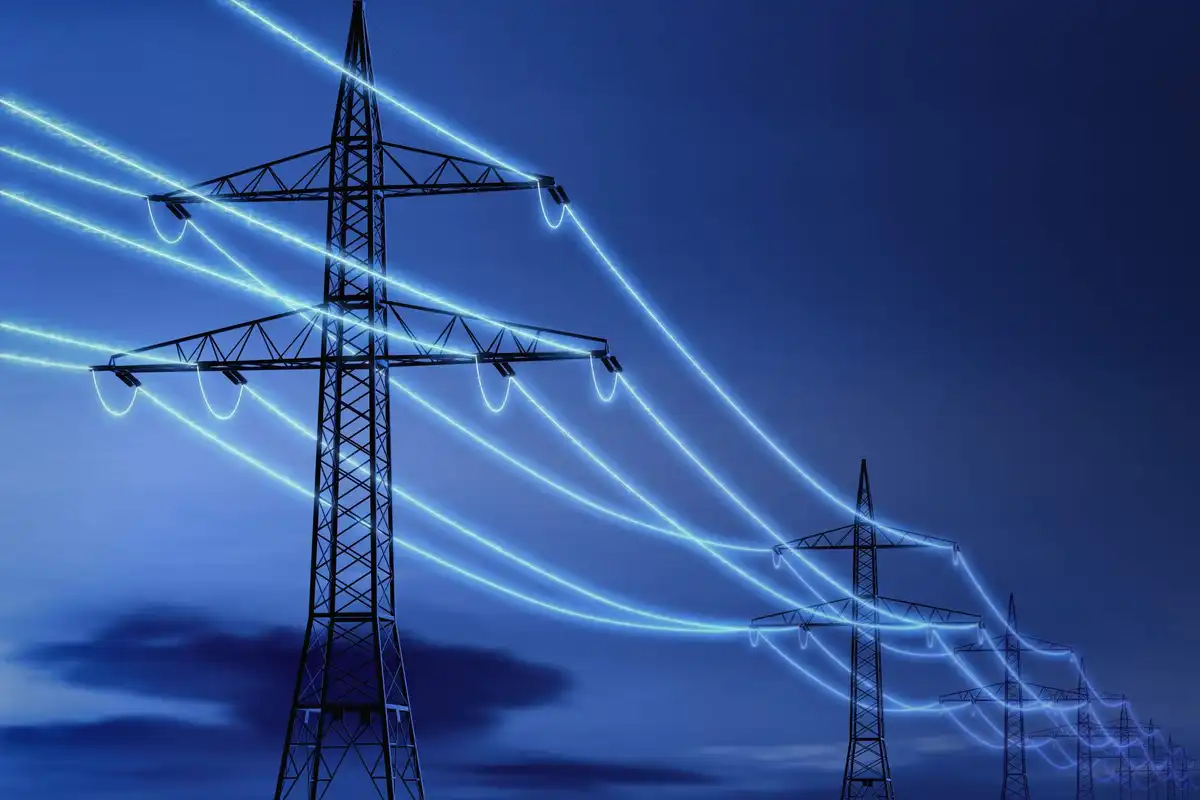
ERCOT plans to build a “super highway” of new transmission lines to boost grid reliability. Photo via Getty Images
The Electric Reliability Council of Texas, which manages the electric grid for 90 percent of Texans, is undertaking a $9.4 billion project to improve the reliability and efficiency of statewide power distribution. The initiative comes as ERCOT copes with escalating demand for electricity from data centers and cryptocurrency-mining facilities. Continue reading.
5. Reliant partners to expand Texas virtual power plant and home battery use
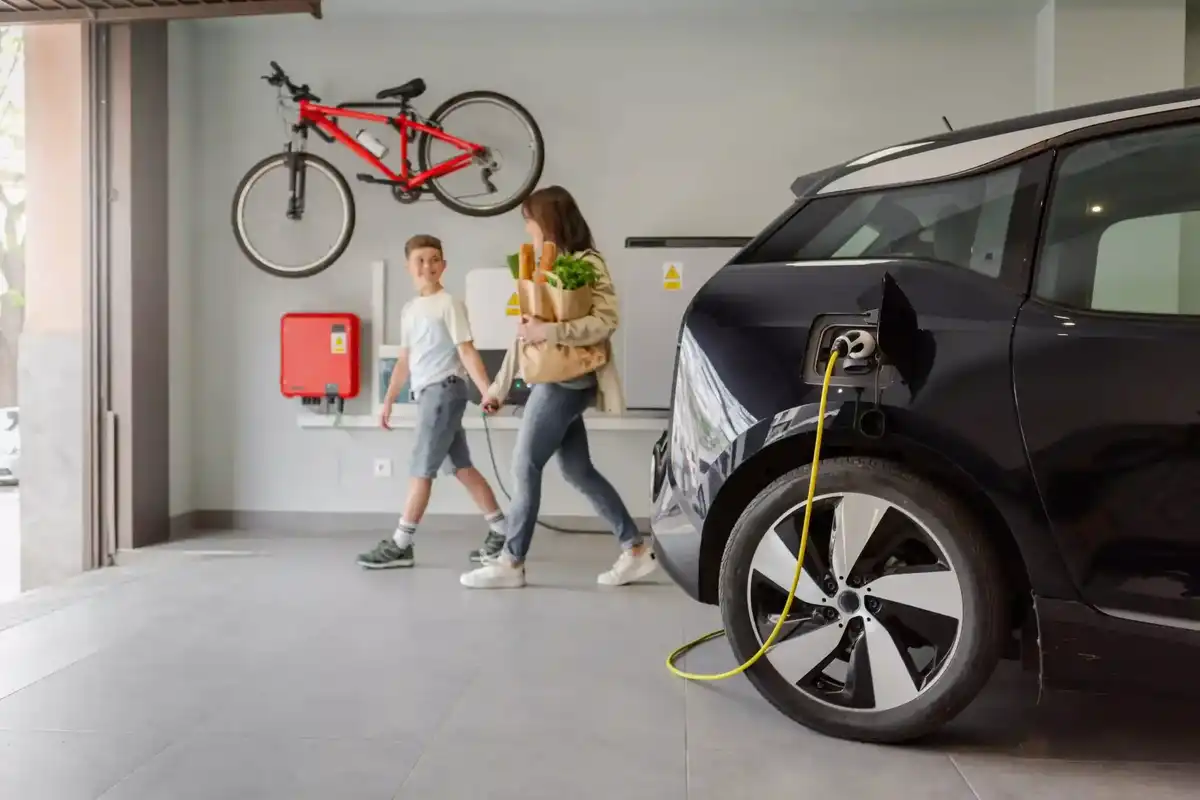
Reliant is offering new incentives to boost NRG's virtual power plant network in Texas. Photo via goodleap.com.
Houston’s Reliant and San Francisco tech company GoodLeap are teaming up to bolster residential battery participation and accelerate the growth of NRG’s virtual power plant (VPP) network in Texas. Through the new partnership, eligible Reliant customers can either lease a battery or enter into a power purchase agreement that incentivizes users by offering monthly performance-based rewards for contributing stored power to the grid. Continue reading.