Editor's note: The top energy transition news of the month looks at the future of data centers in Houston; a big step for Fervo; and what hotter, longer summers mean for Texans. Below are the five most-read EnergyCapital stories published March 16-30, 2026:
1. Houston data center capacity could more than double by 2028, CBRE report says

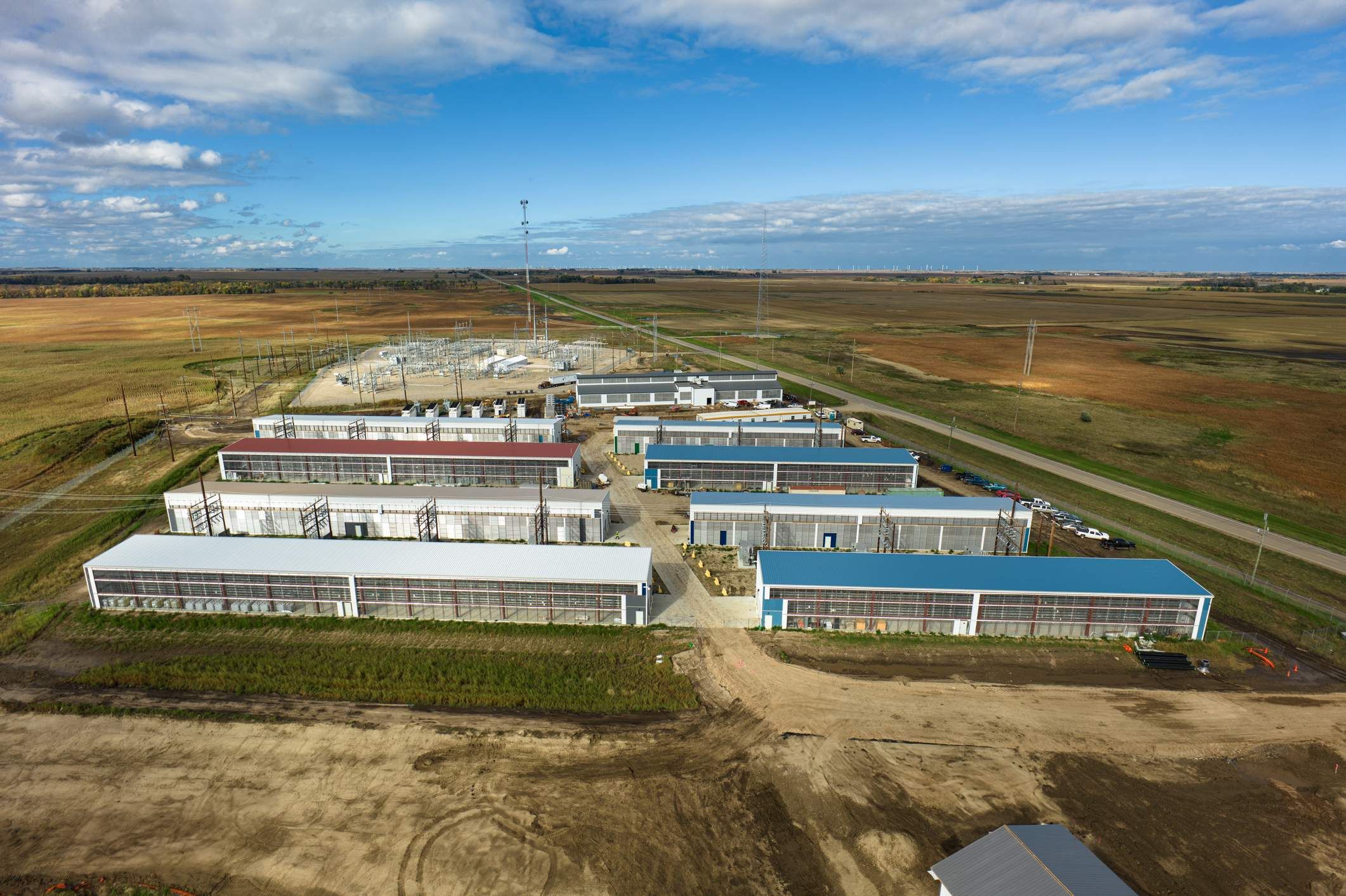
Houston's data center scene has received its latest bullish forecast. Photo via serverfarmllc.com
The Houston market could more than double its data center capacity by the end of 2028, a new report indicates. The report, published by commercial real estate services provider CBRE, says greater demand for data center capacity in the Houston area is being fueled by energy companies, along with large-scale cloud services and AI-driven tenants. In the second half of 2025, the Houston market had 154 megawatts of data center capacity, which was on par with capacity in the second half of 2024. Another 28.5 megawatts of capacity was under construction during that period. Continue reading.
2. Fervo secures $421M in financing for Cape Station construction

Fervo Energy has closed financing to support the remaining construction costs for the first phase of Cape Station. Photo via fervoenergy.com
Houston geothermal unicorn Fervo Energy has closed $421 million in non-recourse debt financing for the first phase of its flagship Cape Station project in Beaver County, Utah. Fervo believes Cape Station can meet the needs of surging power demand from data centers, domestic manufacturing and an energy market aiming to use clean and reliable power. According to the company, Cape Station will begin delivering its first power to the grid this year and is expected to reach approximately 100 megwatts of operating capacity by early 2027. Fervo added that it plans to scale to 500 megawatts. Continue reading.
3. Energy expert: What record heat and extended summers mean for Texans

Extreme weather in Texas is not only increasing but also becoming more hazardous for communities, infrastructure, and the economy. Photo by Jarosław Kwoczała on Unsplash
Earth’s third-warmest year on record occurred in 2025, reinforcing a decades-long pattern of rising global temperatures. This warming trend is increasingly reflected in regional weather patterns across the United States, particularly in Texas, where hotter summers, prolonged droughts, and heavier rainfall events are becoming more common. A 2024 report from Texas A&M University highlights how these shifts are already reshaping weather conditions across the Lone Star State. The assessment analyzes climate and weather data from 1900 through 2023 and projects likely trends through 2036. Continue reading.
4. TotalEnergies strikes $1B federal deal to exit offshore wind sector

TotalEnergies is canceling its U.S. offshore wind projects. Photo via totalenergies.com
TotalEnergies, a French company whose U.S. headquarters is in Houston, has agreed to redirect nearly $930 million in capital from two offshore wind leases on the East Coast to oil, natural gas and liquefied natural gas (LNG) production. In its agreement with the U.S. Department of the Interior, TotalEnergies has also promised not to develop new offshore wind projects in the U.S. “in light of national security concerns.” Continue reading.
5. 30+ CERAWeek events featuring Houston energy leaders

Heading to CERAWeek? Here's where to find Houston energy leaders on the Agora track. Photo courtesy of CERAWeek
CERAWeek returned to Houston March 23-27, bringing more than 1,000 speakers, executives and energy innovators to Houston.Here are some of the many events that featured Houston leaders on the Agora track. Continue reading.