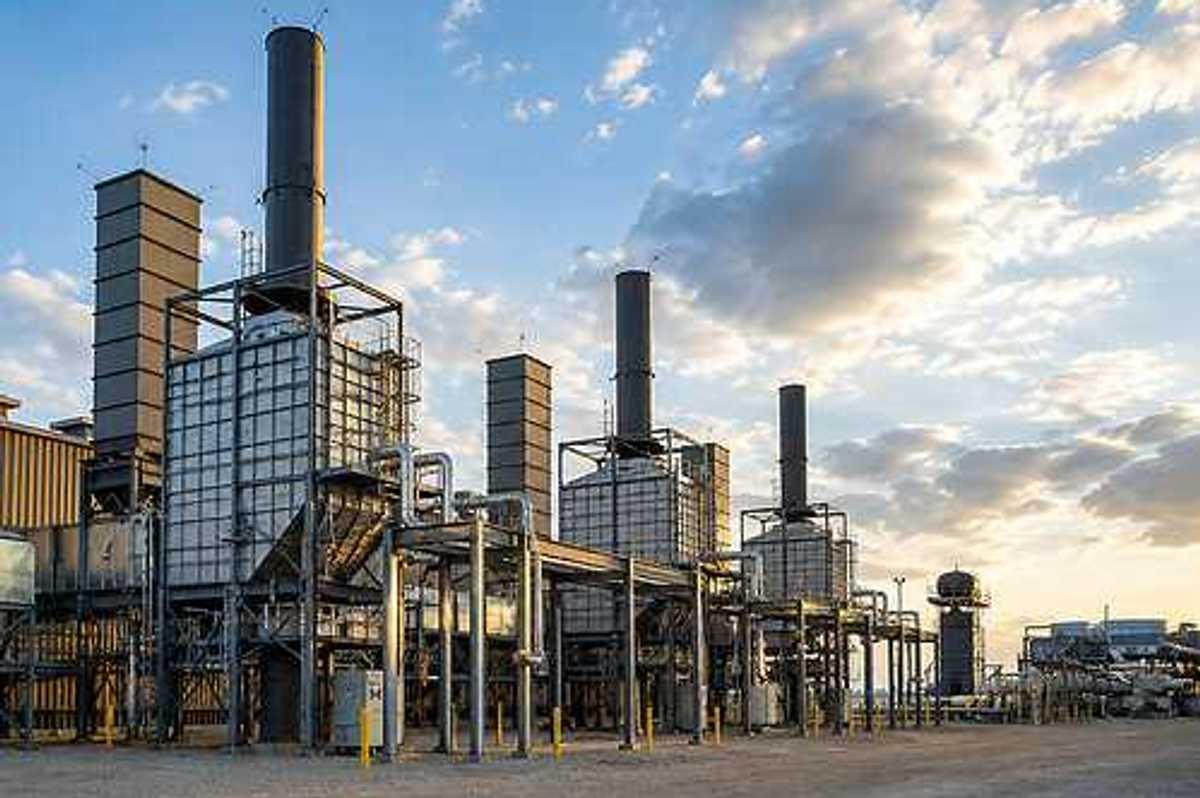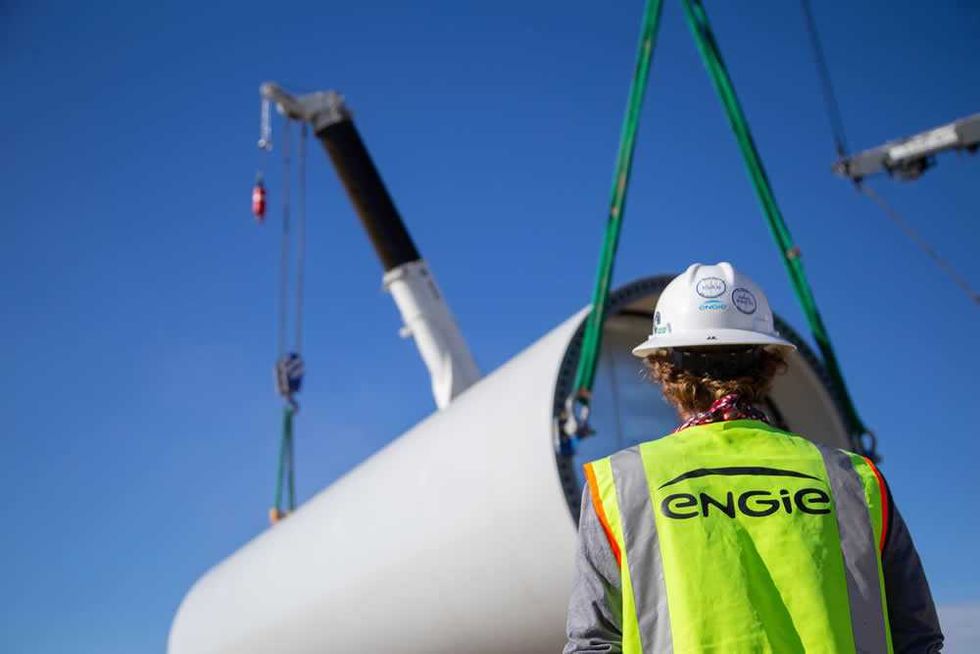






ExxonMobil has secured its seventh CCS contract. Photo courtesy ExxonMobil

Spring-based energy powerhouse ExxonMobil has picked up another project in the carbon capture and storage (CCS) market.

Natural gas pipeline operator Williams Cos. has tapped ExxonMobil to transport and store up to one metric ton per year of CO2 from Williams’ natural gas collection and processing plant in southwest Louisiana’s Haynesville Shale.

Williams will transport natural gas via its Louisiana Energy Gateway pipeline, then process the natural gas and deliver it to the Gulf Coast for export as liquefied natural gas (LNG). The LNG will be used in power generation, residential and commercial heating, and industrial processes.

Williams recently agreed to acquire Momentum Midstream for up to $5.5 billion to expand Williams’ LNG presence in the Haynesville Shale. Haynesville is the country’s third-largest producer of natural gas.

Once the deal closes, Williams will own a $1.5 billion project in southwest Louisiana that will expand capacity of the Transco natural gas distribution system. The system serves power and LNG-export customers. Williams will also gain over 4,000 miles of pipeline and more than one million acres.

While Williams is based in Tulsa, Oklahoma, it has a significant presence in Houston. Last month, Green Street’s Real Estate Alert reported Williams bought the 64-story, 1.4 million-square-foot Williams Tower south of The Galleria from Invesco Real Estate for more than $300 million. The company will occupy about 360,000 square feet in the skyscraper for its Houston hub.

Williams employs about 800 people in Bayou City, including roughly 700 who work at Williams Tower, and plans to hire another 100 by the end of this year.

The Williams deal is ExxonMobil’s seventh CCS contract. ExxonMobil’s CCS portfolio supports LNG, lower-carbon-intensity steel, ammonia, natural gas processing, industrial gases and methanol.

ExxonMobil has established a “carbon superhighway” along the Gulf Coast to fuel its CCS business. The company owns and operates a more than 1,300-mile CO2 pipeline system, the largest in the U.S.

“Carbon capture is becoming an increasingly important part of industrial operations, but capture alone doesn’t solve the problem of high emissions,” says ExxonMobil. “What matters next is how CO2 is transported, used, and stored.”

ExxonMobil’s CCS initiatives are aimed at capturing a chunk of the rapidly growing CCS market in the U.S. Straits Research forecasts the market will grow from $5.66 billion this year to $13.56 billion by 2034.

“It’s not every day you get to witness the birth of a new American industry, but that’s exactly what’s happening right now at the U.S. Gulf Coast,” Dominic Genetti, senior vice president of CCS at ExxonMobil, wrote in an article published last year on the company’s website.

Ad Placement 300x100
Ad Placement 300x600

CultureMap Emails are Awesome

3 must-know fall application deadlines for Houston energy innovators

Editor's note: As fall reaches full swing, Houston's innovation and cleantech scene is calling on the latest batch of founders and startups looking to make a difference. A number of accelerators have opened applications. Read below to see which might be a good fit for you or your venture. And take careful note of the deadlines. Please note: this article may be updated to include additional information and programs.

Did we miss an accelerator or competition accepting applications? Email innoeditor@innovationmap.com for editorial consideration.

Greentown Lab's Go Make 2027: Advanced Carbon Materials with ExxonMobil

Deadline: Oct. 9

Details: Greentown Labs is seeking applications from startups developing novel carbon-based technologies for its latest Go Make cohort in conjunction with ExxonMobil. The structured accelerator is designed to facilitate validation activities and explore potential long-term collaborations with Exxon, according to Greentown. Founders will have the opportunity to engage directly with industry leaders to test, validate and scale their carbon technologies in real commercial contexts. The program tentatively starts on Jan. 20, 2027 and concludes June 16, 2027. Find more information here.

Activate's U.S. Fellowship Cohort 2027

Deadline: Oct. 30

Details: Activate supports scientists at "the outset of their entrepreneurial journey." It partners with U.S.-based funders and research institutions to support its fellows in developing high-impact technology. Its fellows receive a living stipend, research and development funding, connections from Activate's robust network of mentors and access to a curriculum specific to the program for two years. Applicants must have a bachelor’s degree and 4-plus years of post-baccalaureate scientific research, engineering or technology development experience. Their work must be based in the physical or biological sciences or related engineering disciplines. Find more information here.

Rice Innovation Fellows

Deadline: Oct. 30

Details: The Liu Idea Lab for Innovation and Entrepreneurship (Lilie)'s Rice Innovation Fellows program supports Rice Ph.D. students and postdocs in turning their research into real-world ventures. Participants receive $10,000 in translational research funding, co-working space and personalized mentorship. Candidates from all Rice engineering and science-related disciplines are encouraged to apply. Find more information here.

---

A version of this article originally appeared on our sister site, InnovationMap.

Houston carbon removal company secures $35M in financing

national scale

Houston-based Vaulted Deep, a waste management and carbon removal company, has announced a major $35 million debt facility from Italian investment bank Mediobanca to support its national expansion.

U.K.-based market energy solutions CFP Energy arranged the deal, which is “the largest publicly disclosed U.S. commercial debt deal in durable carbon removal to be secured by long-term purchase contracts,” according to a news release from the companies.

The financing will support new waste disposal sites for Vaulted Deep and advancements of the company’s AI-enabled site development platform. The platform helps identify locations, navigate permitting and optimize injection operations. When candidates are looking for sites, the platform will pull from regulatory, geology and waste-supply data to assist, which Vaulted Deep says will help streamline the permitting process. After the site is operating, the platform helps control algorithms to maximize safe disposal capacity and monitor the process along the way.

"Waste operators across the country need new options as traditional disposal options become limited,” Julia Reichelstein, CEO and co-founder of Vaulted Deep, said in the release. “This financing lets us take on more projects and invest in the tools that help us evaluate and develop new sites faster. This is a meaningful milestone for Vaulted as we move into the next phase of building infrastructure at a much larger scale."

The deal is supported by Vaulted Deep's long-term waste service and carbon removal purchase contracts. The company says it delivered more than 20,000 tons of carbon removal to buyers in the first half of 2026, which is more than it delivered in all of 2025.

"By facilitating these types of transactions, we connect institutional capital with innovative climate technologies, helping accelerate the deployment of high-integrity carbon removal solutions,” Tyler Manchester, head of voluntary carbon for CFP Energy, added in the release. “It reflects growing investor confidence in these solutions, driven by rising demand from corporate buyers seeking permanent pathways to support net-zero commitments and long-term climate strategies."

Beyond the facility, Vaulted Deep has secured $48 million in equity financing in addition to its $8 million from the XPRIZE Carbon Removal competition, backed by Elon Musk’s charitable organization, The Musk Foundation.

The company's well injection technology is used to store organic waste deep underground in stable geologic formations. In 2025, it inked a 12-year deal with Microsoft to remove up to 4.9 million metric tons of carbon dioxide from the environment.