








Editor's note: It's time to look back on the top trending energy transition news for the first half of February. The five most-read EnergyCapital stories from February 1-13 feature big funds for Fervo and Envana, a new face at Greentown Labs, top events to attend this month, and more.
1. Houston joint venture secures $5.2M for AI-powered methane tracking tech
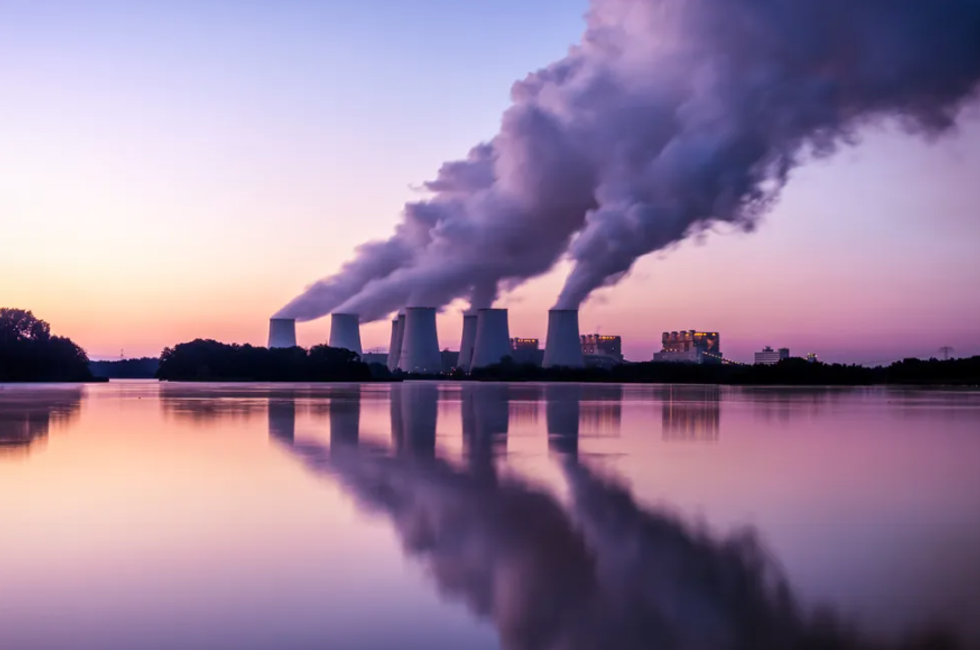
Envana Software Solutions' tech allows an oil and gas company to see a full inventory of greenhouse gases. Photo via Getty Images
Houston-based Envana Software Solutions has received more than $5.2 million in federal and non-federal funding to support the development of technology for the oil and gas sector to monitor and reduce methane emissions. Thanks to the work backed by the new funding, Envana says its suite of emissions management software will become the industry's first technology to allow an oil and gas company to obtain a full inventory of greenhouse gases. Continue reading.
2. Geothermal energy startup's $600M deal fuels surge in Houston VC funding

PitchBook attributes $634 million in fourth-quarter VC to Fervo. Photo via Getty Images
The venture capital haul for Houston-area startups jumped 23 percent from 2023 to 2024, according to the latest PitchBook-NVCA Venture Monitor. Among the Houston-area startups contributing to the impressive VC total in the fourth quarter of 2024 was geothermal energy startup Fervo Energy. PitchBook attributes $634 million in fourth-quarter VC to Fervo. Continue reading.
3. Top 6 Houston energy events to attend in February 2025

Here are five events Houston's energy community should attend in February. Photos by Jeff Fitlow/Rice University
February is here, and the month is buzzing with forums, conferences, and the largest AI in Energy event. Here are six Houston energy events that you won't want to miss this month. Mark your calendars now. Continue reading.
4. Greentown Labs names new CEO to lead climate tech incubator

Georgina Campbell Flatter worked closely with Greentown Labs when it was founded in 2011 and now will lead the incubator as CEO. Photo courtesy Greentown Labs
Houston and Boston climate tech incubator Greentown Labs has named Georgina Campbell Flatter as the organization’s incoming CEO. Flatter will transition to Greentown from her role as co-founder and executive director of TomorrowNow.org, a global nonprofit that studies and connects next-generation weather and climate technologies with communities most affected by climate change. Continue reading.
5. Houston energy leaders form new coalition to improve Texas power grid

A new coalition of energy leaders wants to “take the Texas grid from good to great." Photo via Getty Images
A Houston-based coalition that launched this month aims to educate Texas officials about technology designed to shore up the state’s power grid. The public-private Texas Reliability Coalition says it will promote utility-scale microgrid technology geared toward strengthening the resilience and reliability of the Texas power grid, particularly during extreme weather. Continue reading.