







Hot Topics

Fervo IPO leads Houston energy transition headlines for April

Energy unicorn Fervo is preparing for its IPO. Photo courtesy of Fervo

Editor's note: The top Houston energy transition news of the month includes Fervo's official steps towards an IPO and Houston universities teaming up for recycling innovation. Below are the five most-read EnergyCapital stories published April 16-30, 2026:

Fervo Energy officially files for initial public offering

Fervo Energy has officially filed for IPO. The Houston-based geothermal unicorn filed a registration statement on Form S-1 with the U.S. Securities and Exchange Commission on April 17 to list its Class A common stock on the Nasdaq exchange. Fervo intends to be listed under the ticker symbol "FRVO." Continue reading.

Fervo Energy adds former eBay CEO Meg Whitman, other leaders to board

As it prepares for a highly anticipated IPO, Houston-based geothermal power provider Fervo Energy has added four heavyweights to its board of directors. The most notable new board member is Meg Whitman, former CEO of eBay, Hewlett-Packard, and Spring-based HPE, and former U.S. ambassador to Kenya. She joined the Fervo board as lead independent director. Continue reading.

Tesla's EV Robotaxis officially launch in Texas' largest metros

Tesla’s Robotaxi service has taken to the streets of Houston. In a brief statement Saturday, April 18 on its X social media account, Tesla Robotaxi says the autonomous rideshare service just launched in Texas’ two biggest metro areas — Houston and Dallas. Continue reading.

Halliburton Labs names 4 new clean energy startups to incubator
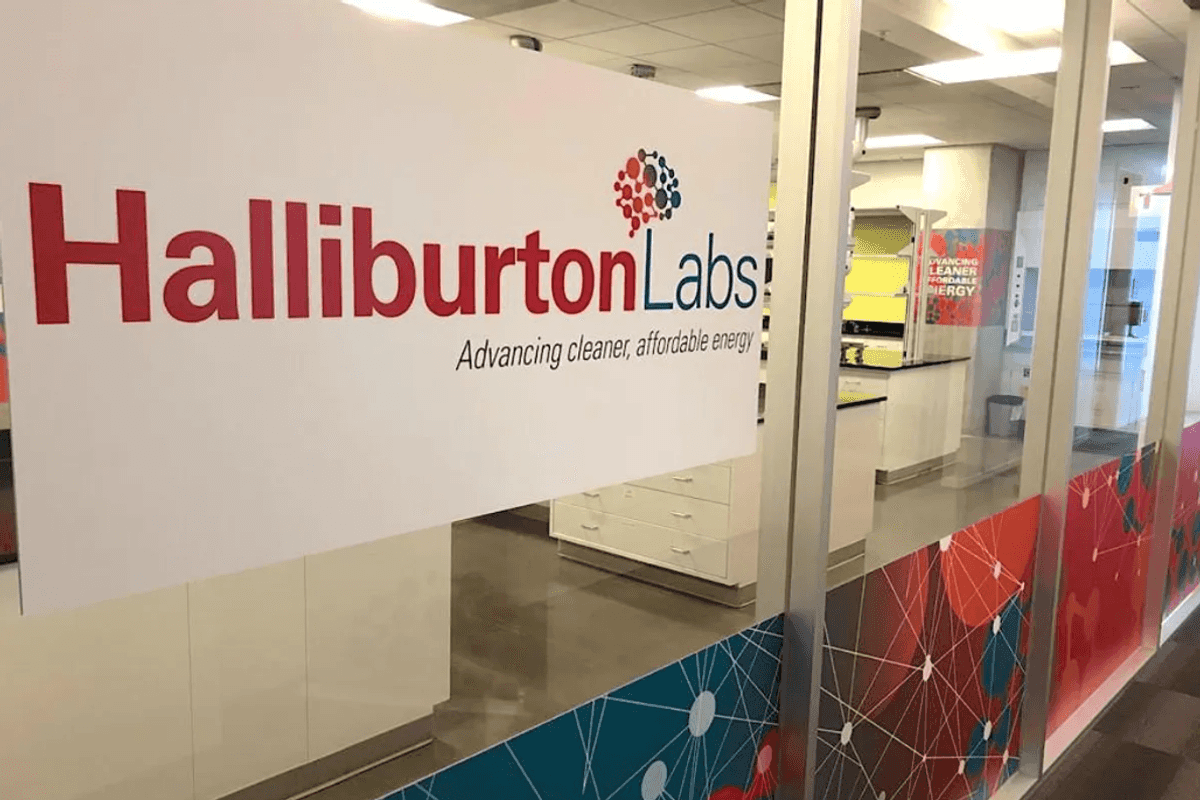
Four new companies have joined Halliburton Labs, the incubator for early-stage energy and climate startups run by Houston energy giant Halliburton. Halliburton Labs provides the emerging companies with mentorship, industry connections, laboratory access and other resources as they work toward commercialization. Continue reading.

Rice, UH launch joint effort to accelerate plastics recycling solutions
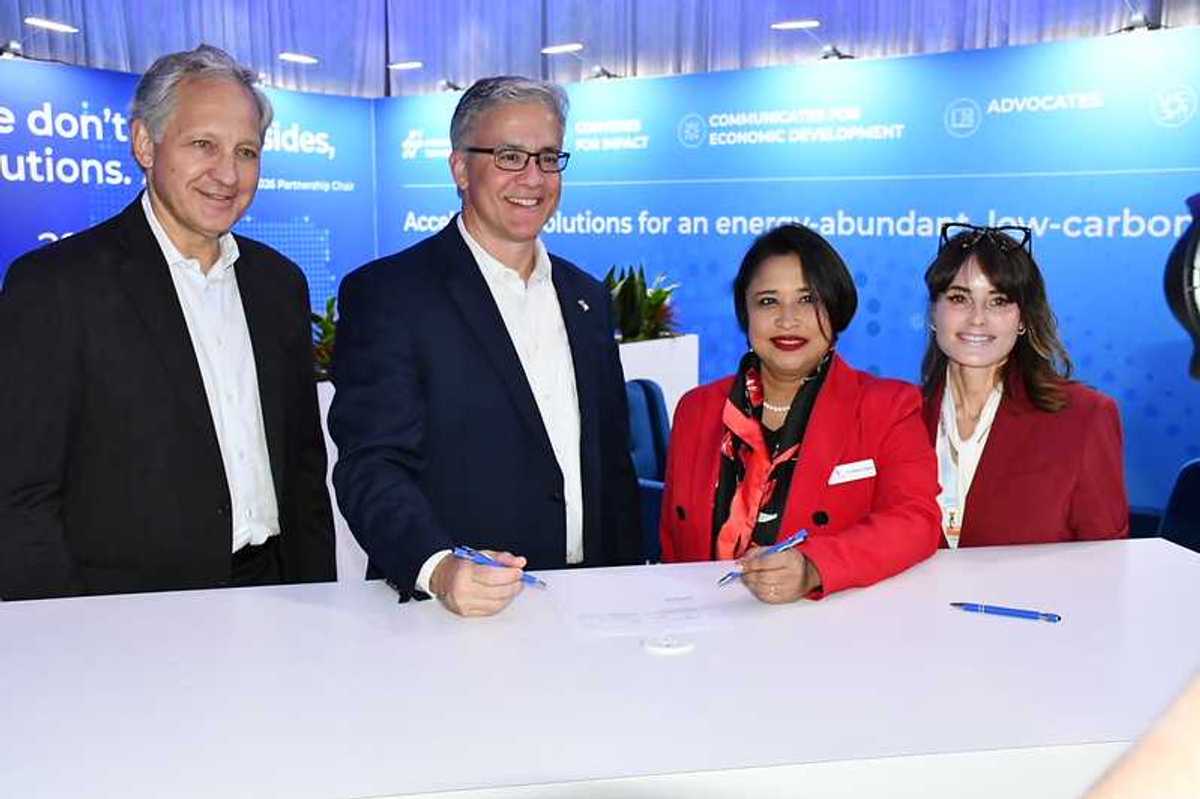
Institutes at two Houston universities are joining forces to help position the city as a global leader in plastics recycling innovation. The Center for Energy Studies (CES) at Rice University’s Baker Institute for Public Policy and the University of Houston’s Energy Transition Institute (UH-ETI) have announced a strategic partnership that aims to develop real-world solutions for plastic recycling. Continue reading.

Trending News

A View From HETI

Simon M. King, a Rice University sophomore, served as the first author on a recent study of a new process for recycling lithium-ion batteries. Photo courtesy Rice

Rice University researchers have uncovered a more energy-efficient and faster way to recycle critical minerals from used lithium-ion batteries.

Traditional methods rely on high heat, long processing times and harsh chemicals to recover a small fraction of critical materials from batteries used in everything from smartphones to electric vehicles. However, the team from Rice's Department of Materials Science and Nanoengineering developed a process that uses a water-based solution containing amino chlorides to extract more metals in less time

The team published the findings in a recent edition of the scientific journal Small.

Simon King, a sophomore studying chemical and biomolecular engineering who completed this work as a summer research fellow at the Rice Advanced Materials Institute, served as first author of the study. He worked with corresponding authors Pulickel Ajayan, the Benjamin M. and Mary Greenwood Anderson Professor of Engineering, and Sohini Bhattacharyya, a research scientist in Ajayan’s lab.

By using a hydroxylammonium chloride (HACI) solution, the team achieved roughly 65 percent extraction of key battery metals in just one minute at room temperature, according to the study. The efficiencies grew to roughly 75 percent for several metals under longer processing times.

“We were surprised by just how fast the reaction occurs, especially without the involvement of high temperatures,” King said in a news release. “Within the first minute, we’re already seeing the majority of the metal extraction take place.”

By not requiring high temperatures or long reaction times, Rice predicts the process could have a major impact on cost and the environmental impact of lithium battery recycling. Additionally, the water-based HACI solution makes waste handling easier and lowers certain environmental risks.

In addition to extracting the materials, the team went on to demonstrate that the recovered metals could be recycled and reprocessed into new battery materials.

“A big advantage of this system is that it works under relatively mild conditions,” Ajayan added in the release. “That opens the door to more sustainable and scalable recycling technologies.”

Trending News