Quaise Energy is developing Project Obsidian, a superhot geothermal plant in central Oregon. Rendering via quaise.com.

Houston-based Quaise Energy is looking to raise $200 million to support the development of a 50-megawatt superhot geothermal plant in Oregon.

The company is seeking $100 million in Series B funding, plus an additional $100 million from grants, debt and project-level finance, a representative from the company tells Energy Capital. Axios first reported the news late last month.

Quaise specializes in terawatt-scale geothermal power. It is known for its millimeter-wave drilling technology, which was developed at MIT.

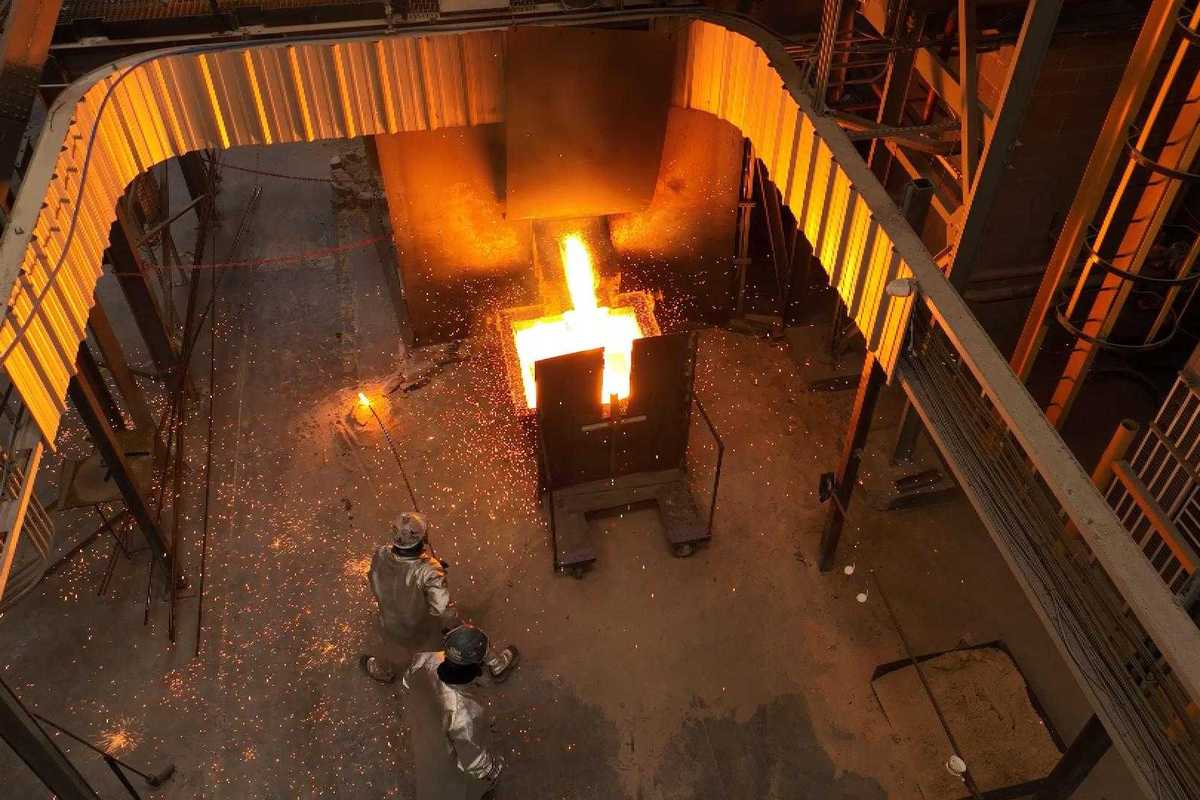
The company's Project Obsidian development in central Oregon will combine conventional drilling with its millimeter-wave technology. Quaise says the project, targeted to come online in 2030, could be the first commercial plant to operate in superhot rock, a more efficient and abundant resource, but one that requires more advanced and durable drilling technology.

Quaise says Obsidian would initially generate 50 megawatts of "always-on" power and would be designed to add 200 megawatts as additional wells are developed. A power-purchase deal has already been signed for the initial 50 megawatts with an undisclosed customer.

A representative from the company says Quaise would also use the funding to continue advancing its millimeter-wave technology and prepare it for commercialization.

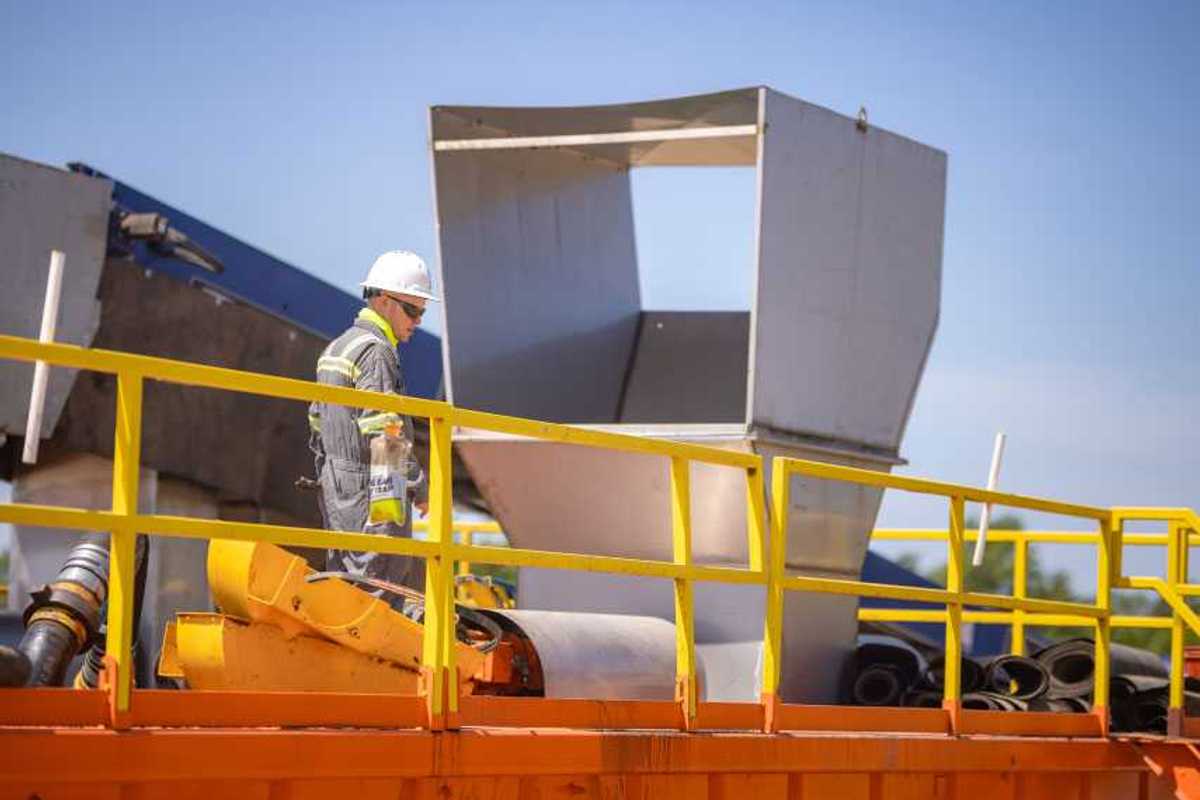
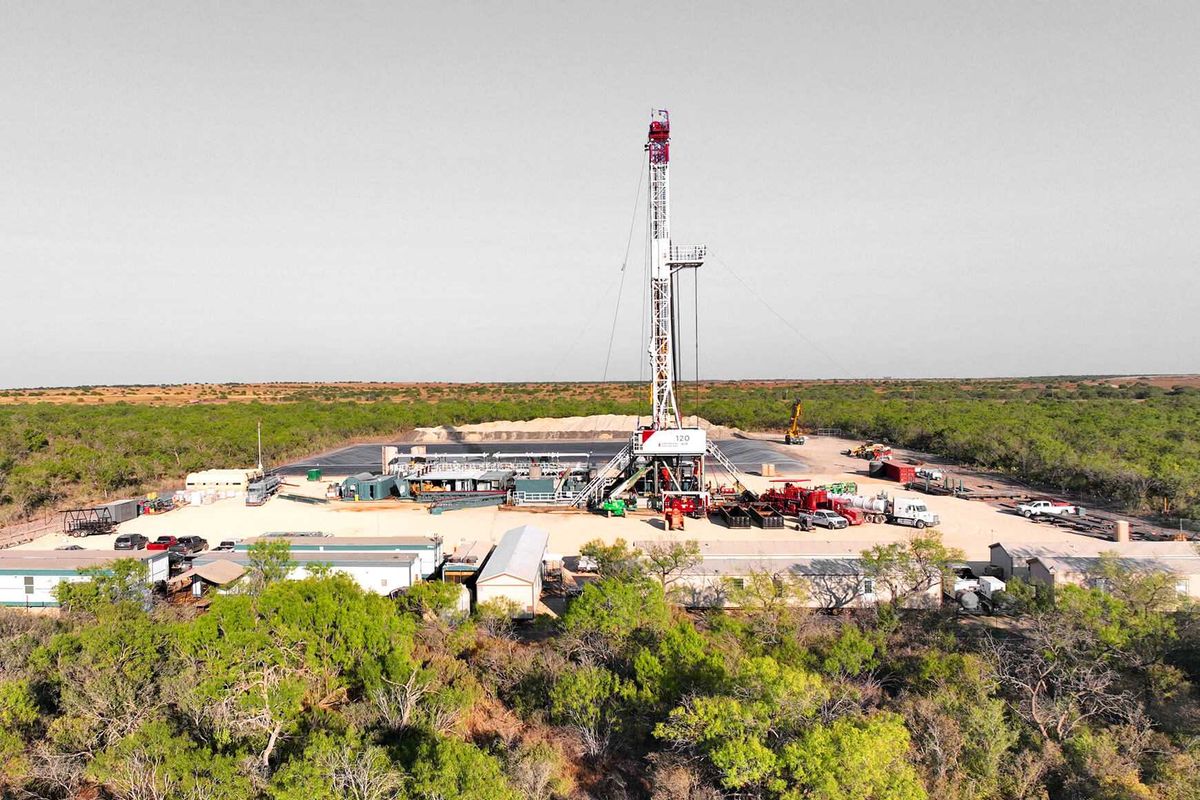
Last year, the company drilled to a depth of about 330 feet using its millimeter-wave technology at its field site in Central Texas.

“Our progress this year has exceeded all expectations,” Carlos Araque, CEO and president of Quaise Energy, said at the time. “We’re drilling faster and deeper at this point than anyone believed possible, proving that millimeter-wave technology is the only tool capable of reaching the superhot rock needed for next-generation geothermal power. We are opening up a path to a new energy frontier.”

Canary Media reports that Quaise plans to drill to nearly 3,300 feet later this year and to deploy its millimeter-wave technology at its power plant in 2027.

Quaise raised $21 million in a Series A1 financing round in 2024 and a $52 million Series A in 2022. Major investors include Prelude Ventures, Safar Partners, Mitsubishi Corporation, Nabors Industries, TechEnergy and others.

Quaise was one of eight Houston-area companies to appear on Time magazine and Statista’s list of America’s Top GreenTech Companies of 2025.

Ad Placement 300x100
Ad Placement 300x600

CultureMap Emails are Awesome

Houston-based Syzygy lands global customer for first commercial SAF plant

clean fuel deal

Houston-based Syzygy Plasmonics has secured a major future customer for its sustainable aviation fuel.

Syzygy announced this week that it has entered into a capacity reservation agreement with World Fuel Services, a global fuel distribution and logistics company.

Through the deal, World Fuel has reserved a portion of Syzygy's SAF production for future plants slated for Central and South America. The clean fuel will be produced at Syzygy’s NovaSAF-1 facility in Uruguay, which is moving toward construction.

The NovaSAF-1 will be the world's first electrified facility to convert biogas into sustainable aviation fuel (SAF). The facility is expected to produce over 350,000 gallons of SAF annually, which would be considered “a breakthrough in cost-effective, scalable clean fuel,” according to Syzygy.

The facility is expected to produce SAF with at least an 80 percent reduction in carbon intensity compared to Jet A fuel and make its first deliveries in 2028.

"Following NovaSAF-1, this agreement reflects continued interest in scalable pathways for producing SAF from biogas," Trevor Best, CEO of Syzygy Plasmonics, said in a news release. "Our NovaSAF platform is designed to deliver cost-competitive fuel while supporting the aviation sector's evolving regulatory and sustainability requirements."

Syzygy will make a portion of future production capacity available to World Fuel from its planned facilities, subject to the development and completion of those projects, according to the deal.

"We continue to evaluate supply opportunities that support increased access to lower carbon fuels in aviation, in line with emerging regulatory requirements and customer demand," Michael Ranger, senior vice president of supply EMEAA at World Fuel, added in the release. "Arrangements such as this are part of our ongoing efforts across the supply chain.”

Syzygy also secured an offtake agreement with Singapore-based commodity company Trafigura from NovaSAF-1 earlier this year.

Texas Gov. Abbott seeks data center crackdown as state grapples with growing power demand

growing pains

Just seven months ago, Gov. Greg Abbott trumpeted Google’s $40 billion plan to add three data center campuses in Texas. Now, amid growing public outcry over such projects, Abbott is pushing for a regulatory crackdown on data centers in the Lone Star State.

Abbott recently sent a letter to leaders of the Public Utility Commission of Texas (PUC) and the Electric Reliability Council of Texas (ERCOT) proposing stricter oversight of the state’s data centers. Texas is home to more than 400 data centers, with many more on the way, and is poised to become the world’s largest data center market.

Among other things, Abbott wants to:

  • Ensure residential electric bills go down — not up — as data centers connect to ERCOT’s grid, which supplies power for about 90 percent of Texans.
  • Require data centers to cover the costs of upgrades to deliver electricity to the power-hungry facilities.
  • Repeal sales tax exemptions and other “outdated or unnecessary” financial incentives for data centers.
  • Institute “best practices,” such as property setbacks and noise-reduction technology, to ease the impact of data centers on nearby residents.
  • Demand that all new data centers, which use a tremendous amount of water, be built with water-efficient technology.
  • Require large data centers to generate annual reports on their use of electricity and water.

Abbott has set a July 17 deadline for the PUC and ERCOT to address his recommendations.

“As Texas continues to welcome innovation and investment, we must ensure that growth strengthens our people and their quality of life without placing undue burdens on Texans and local communities,” Abbott wrote.

Abbott’s call for tighter control of data centers has elicited both praise and skepticism.

In a social media post on X, Texas House Speaker Dustin Burrows, a Lubbock Republican, thanked Abbott for seeking “accountability and reform” in the state’s data center industry. Burrows has made data centers one of his priority issues for the 2027 state legislative session.

State oil and gas regulator Wayne Christian, a member of the Texas Railroad Commission, weighed in with similarly positive comments about Abbott’s directive. He says an outright ban on data centers isn’t the answer to residents’ complaints about new facilities.

“The Texas way is not to answer innovation with government overreach or fear-driven bans,” Christian, whose agency wasn’t cited in Abbott’s letter, said in a statement posted on X. “Our job is to protect prosperity, safeguard taxpayers and ensure the infrastructure that powers our economy remains strong and reliable.”

Gina Hinojosa, an Austin Democrat who’s challenging Abbott in this November’s gubernatorial race, took issue with the governor’s edict on data centers.

“Greg Abbott is changing his tune on data centers because he knows his policies are unpopular,” Hinojosa, a state representative, wrote on X. “Nobody believes the arsonist is gonna be the one to put out the fire.”

Abbott’s call for stepped-up regulation of data centers echoes many of the concerns expressed by the state chapter of the Sierra Club, an environmental nonprofit.

“The growth of data centers reflects a broader transformation taking place across Texas,” the Sierra Club says on its website. “The state is becoming a hub for the technologies that will shape the future economy, from artificial intelligence to advanced computing and cloud services. At the same time, Texans deserve transparency about how these projects affect the communities where they are built.”

Fervo promotes strategy leader to COO as flagship geothermal project nears launch

new leader

Houston geothermal unicorn Fervo Energy has named Sarah Jewett as its new COO.

Jewett steps into the role as the company prepares for its flagship Cape Station geothermal project to deliver its first power later this year.

Jewett joined Fervo in 2020 as director of strategy and most recently served as the company's senior vice president of strategy. She spoke with HETI on the potential of geothermal energy in 2024.

Before Fervo, Jewett served as senior director of corporate development for Houston-based Select Energy Services. She ran hydraulic fracturing crews for Schlumberger in the Permian Basin and Alaska's North Slope early in her career.

In the COO role, Jewett is tasked with creating "the centralized infrastructure required to execute on what the company believes is the most significant commercial opportunity for clean, firm power in history," according to a company release.

“What Sarah has built over the last six years has been foundational to the company’s success. From the time she joined, she has brought an unwavering people-first mindset and outstanding dedication to building things that last,” Tim Latimer, CEO and co-founder of Fervo, added in the release. “As we move into the next phase of our growth, there is no better person to lead the operating core of this company.”

Jewett holds an MBA from Harvard Business School and a bachelor's degree in mechanical engineering from Dartmouth College.

Fervo announced the addition of four heavyweights to its board of directors this spring, including Meg Whitman, former CEO of eBay, Hewlett-Packard, and Spring-based HPE. Shortly after, the company filed for its highly anticipated $1 billion-plus IPO. Read more here.