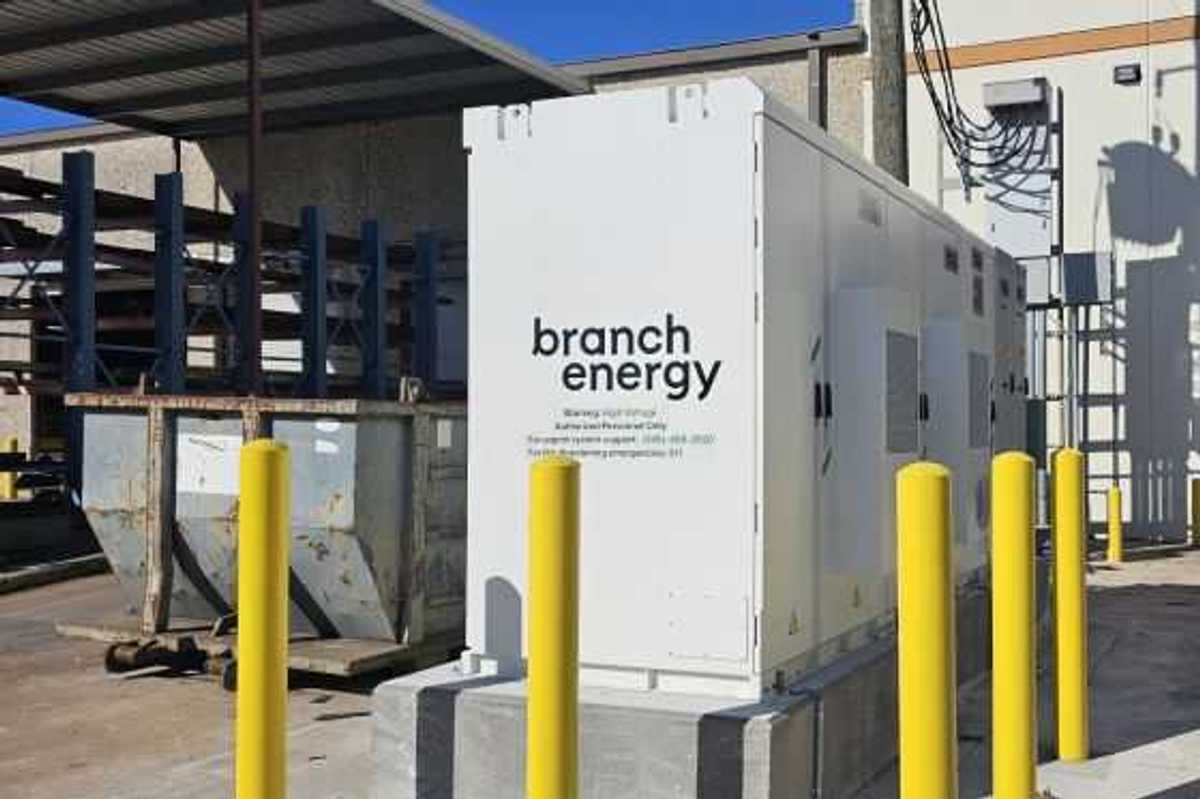
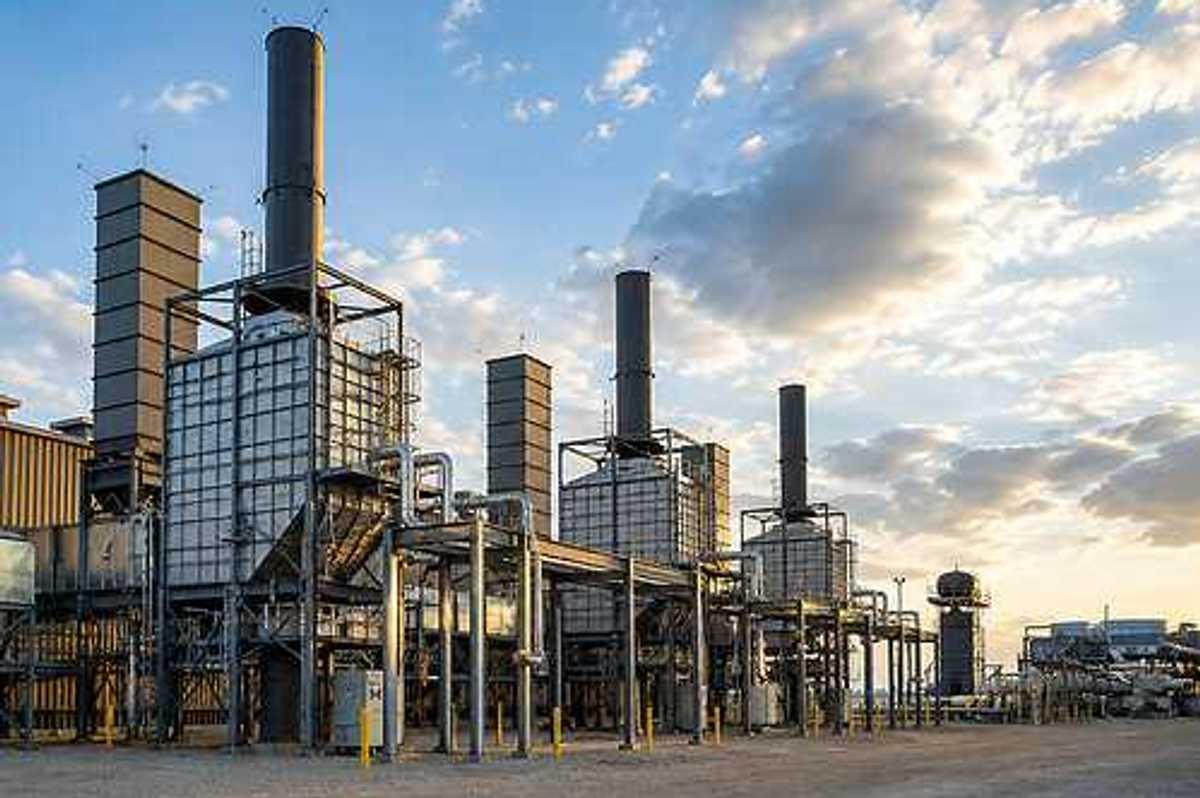
Quantum computing and advanced nuclear energy are getting a boost from Houston. Photo courtesy UH

Rice University and the University of Houston will be playing a part in the future of energy in Texas and beyond, as Rice has joined the U.S. Department of Energy Quantum Science Center and UH has been added to the Texas Nuclear Alliance.

Rice’s role with the DOE Quantum Science Center will expand the university’s work in helping to develop “fault-tolerant quantum computers capable of solving scientific problems,” according to Rice. Tirthak Patel, an assistant professor of computer science, will develop and evaluate quantum error-correction decoding methods on high-performance computing platforms. Patel’s team will receive $900,000 over 5 years from a DOE-funded center at Oak Ridge National Laboratory.

The Quantum Science Center was established in 2020 under the National Quantum Initiative Act, and brings together national laboratories, universities and industry partners like IBM, AMD, IQM, Quantinuum and Riverlane, and others to advance quantum information science. The Quantum Science Center is one of the DOE’s five National Quantum Information Science Research Centers, and has planned funding of $125 million over 5 years.

“Reliable error correction is one of the biggest challenges in making quantum computing useful for accelerating scientific discovery,” Patel said in a news release. “Our work is focused on developing methods that can scale to future systems and support practical scientific applications.”

Meanwhile, as power demand continues to rise in Texas and North America, the Texas Nuclear Alliance brings industry, academic, and government leaders together to advance nuclear technologies to meet growing energy demands, support economic efforts, bolster domestic manufacturing, and protect overall energy security.

UH brings expertise to the Texas Nuclear Alliance from UH Energy, the Texas Center for Superconductivity at UH (TcSUH), and the Advanced Manufacturing Institute (AMI). UH says that 11 of its 16 colleges will contribute research to the alliance.

“Texas and the University of Houston have long led the nation in energy innovation and research,” Ramanan Krishnamoorti, vice president of energy and innovation, said in a news release. “As demand for reliable, affordable and secure energy continues to grow, advanced nuclear technologies will become increasingly important. The University of Houston is uniquely positioned to contribute through world-class research and deep industry partnerships that help transform breakthrough discoveries into real-world solutions. We look forward to working with the Texas Nuclear Alliance to accelerate technologies that will shape the future of the energy industry.”

Projects from both Rice and UH were selected this week to participate in the DOE's Genesis Mission. Read more here.
Ad Placement 300x100
Ad Placement 300x600

CultureMap Emails are Awesome

3 must-know fall application deadlines for Houston energy innovators

Editor's note: As fall reaches full swing, Houston's innovation and cleantech scene is calling on the latest batch of founders and startups looking to make a difference. A number of accelerators have opened applications. Read below to see which might be a good fit for you or your venture. And take careful note of the deadlines. Please note: this article may be updated to include additional information and programs.

Did we miss an accelerator or competition accepting applications? Email innoeditor@innovationmap.com for editorial consideration.

Greentown Lab's Go Make 2027: Advanced Carbon Materials with ExxonMobil

Deadline: Oct. 9

Details: Greentown Labs is seeking applications from startups developing novel carbon-based technologies for its latest Go Make cohort in conjunction with ExxonMobil. The structured accelerator is designed to facilitate validation activities and explore potential long-term collaborations with Exxon, according to Greentown. Founders will have the opportunity to engage directly with industry leaders to test, validate and scale their carbon technologies in real commercial contexts. The program tentatively starts on Jan. 20, 2027 and concludes June 16, 2027. Find more information here.

Activate's U.S. Fellowship Cohort 2027

Deadline: Oct. 30

Details: Activate supports scientists at "the outset of their entrepreneurial journey." It partners with U.S.-based funders and research institutions to support its fellows in developing high-impact technology. Its fellows receive a living stipend, research and development funding, connections from Activate's robust network of mentors and access to a curriculum specific to the program for two years. Applicants must have a bachelor’s degree and 4-plus years of post-baccalaureate scientific research, engineering or technology development experience. Their work must be based in the physical or biological sciences or related engineering disciplines. Find more information here.

Rice Innovation Fellows

Deadline: Oct. 30

Details: The Liu Idea Lab for Innovation and Entrepreneurship (Lilie)'s Rice Innovation Fellows program supports Rice Ph.D. students and postdocs in turning their research into real-world ventures. Participants receive $10,000 in translational research funding, co-working space and personalized mentorship. Candidates from all Rice engineering and science-related disciplines are encouraged to apply. Find more information here.

---

A version of this article originally appeared on our sister site, InnovationMap.

Houston carbon removal company secures $35M in financing

national scale

Houston-based Vaulted Deep, a waste management and carbon removal company, has announced a major $35 million debt facility from Italian investment bank Mediobanca to support its national expansion.

U.K.-based market energy solutions CFP Energy arranged the deal, which is “the largest publicly disclosed U.S. commercial debt deal in durable carbon removal to be secured by long-term purchase contracts,” according to a news release from the companies.

The financing will support new waste disposal sites for Vaulted Deep and advancements of the company’s AI-enabled site development platform. The platform helps identify locations, navigate permitting and optimize injection operations. When candidates are looking for sites, the platform will pull from regulatory, geology and waste-supply data to assist, which Vaulted Deep says will help streamline the permitting process. After the site is operating, the platform helps control algorithms to maximize safe disposal capacity and monitor the process along the way.

"Waste operators across the country need new options as traditional disposal options become limited,” Julia Reichelstein, CEO and co-founder of Vaulted Deep, said in the release. “This financing lets us take on more projects and invest in the tools that help us evaluate and develop new sites faster. This is a meaningful milestone for Vaulted as we move into the next phase of building infrastructure at a much larger scale."

The deal is supported by Vaulted Deep's long-term waste service and carbon removal purchase contracts. The company says it delivered more than 20,000 tons of carbon removal to buyers in the first half of 2026, which is more than it delivered in all of 2025.

"By facilitating these types of transactions, we connect institutional capital with innovative climate technologies, helping accelerate the deployment of high-integrity carbon removal solutions,” Tyler Manchester, head of voluntary carbon for CFP Energy, added in the release. “It reflects growing investor confidence in these solutions, driven by rising demand from corporate buyers seeking permanent pathways to support net-zero commitments and long-term climate strategies."

Beyond the facility, Vaulted Deep has secured $48 million in equity financing in addition to its $8 million from the XPRIZE Carbon Removal competition, backed by Elon Musk’s charitable organization, The Musk Foundation.

The company's well injection technology is used to store organic waste deep underground in stable geologic formations. In 2025, it inked a 12-year deal with Microsoft to remove up to 4.9 million metric tons of carbon dioxide from the environment.