The University of Houston System has a new energy partner. Photo via UH.edu

TXU Energy announced a multi-year partnership to be the electricity provider for the entire University of Houston System. This partnership will include all four university campuses, UH instructional sites, and multiple athletic facilities and venues.

TXU Energy will also invest $370,000 in UH scholarships over the next ten years, which includes endowed scholarships and funding for programs focused on energy and STEM education.

The contract is designed to meet the needs of a system serving more than 75,000 students.

"When considering the University of Houston's size and the scope of world-class facilities, labs, and research centers that need power, only a provider with a strong history of operational excellence is up to the task," Gabe Castro, senior vice president of business markets for TXU Energy says in a news release.

"We approached this partnership first with the promise of delivering safe, reliable electricity. As we learned more, our market insight and expertise allowed us to create a custom solution that aligns with the university's short and long-term goals."

As a part of the partnership, TXU Energy will also provide Greenback dollars. The Greenback dollars are rebates for making energy-efficiency improvements at university facilities,which can fund new or existing energy efficiency projects.

Last fall, UH announced Rhythm Energy as its athletics energy partner amid the university's transition to the Big 12 conference.

Ad Placement 300x100
Ad Placement 300x600

CultureMap Emails are Awesome

Houston startup strikes deal to develop hydrogen production plant in Canada

hydrogen partnership

Houston-based cleantech startup Vema Hydrogen has reached a tentative agreement with Canada-based CHARBONE Corp. to develop a hydrogen production and processing plant in Québec.

The deal would couple Vema’s production of engineered mineral hydrogen with CHARBONE’s purification, compression and distribution capabilities.

Engineered mineral hydrogen, also known as orange hydrogen, is produced underground by accelerating naturally occurring geochemical reactions in iron-rich rock formations, according to the journal Energy & Environmental Science.

“Across high-value markets — from aviation and maritime fuels to industrial gases — there is incredible demand for Vema’s low-carbon [hydrogen]. Now, more than ever, we need a pathway to deliver these low-carbon fuels,” Pierre Levin, CEO of Vema, said in a news release.

The project would enable Vema to expand into emerging markets like low-carbon maritime and aviation fuel, e-fuels and power generation. Incorporating CHARBONE’s capabilities, the agreement would also support Québec’s hydrogen supply chain.

“The market is demanding high-value industrial gases, and our customers need cleaner, more reliable supply. By pairing Vema’s [hydrogen] feedstock with our purification and distribution capabilities, we’re strengthening Québec’s position as a regional hub for next-generation hydrogen,” Dave Gagnon, CEO of CHARBONE, added in the release.

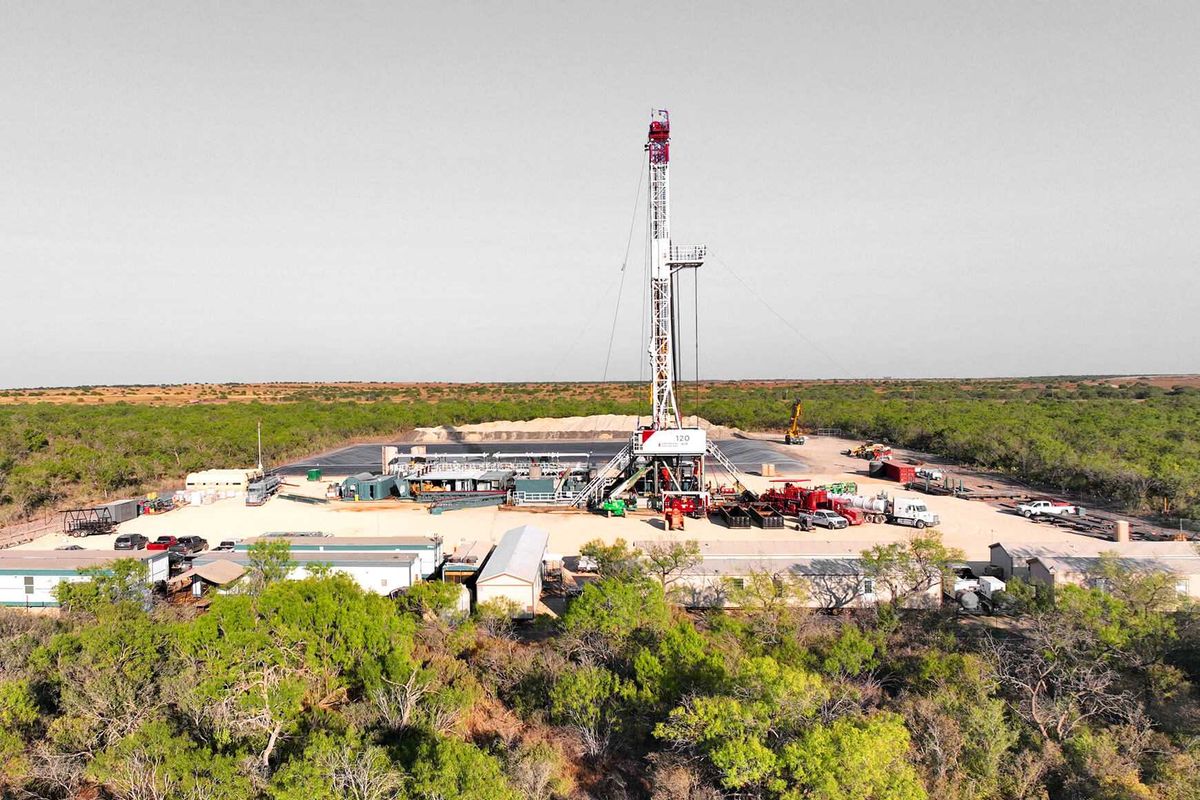
Vema said in February that it had completed drilling of its first two pilot wells in Québec, making them the world’s first pilot well for orange hydrogen. It’s the first time Vema’s technology has been used outside a lab.

“This pilot will provide the critical data needed to validate [our hydrogen] at commercial scale and demonstrate that Quebec can lead the world in this emerging clean energy category,” Levin said. “The quality of the rock within our core samples is exactly what we expected and is very promising for hydrogen yields.”

Shortly before Vema carried out the pilot drilling, it signed a 10-year deal with California-based energy technology company Verne Power to supply clean hydrogen for California data centers. Over the course of the 10-year agreement, Vema will boost annual production of orange hydrogen to more than 36,000 metric tons.

“There is a robust market for baseload power generation across the U.S., where data centers are straining the grid,” Levin said. “As we power California’s fastest-growing markets with clean hydrogen, we look toward expanding our hydrogen to markets globally and supporting AI-driven power hubs.”

Vema, founded two years ago, raised $13 million in seed funding in 2025.

“The energy transition and emerging uses of hydrogen have spurred demand for clean hydrogen,” Levin said in its funding announcement. “However, existing decarbonized hydrogen production methods simply don’t work — they are too costly and energy-intensive. Vema is here to change that. It’s time to unlock a new era of scalable, low-carbon hydrogen.”

Greentown names 5 climatech startups to manufacturing accelerator

Catalyst Cohort

Greentown Labs has named five climatech startups to its Go Make 2026 cohort, including one from Houston.

Greentown Go Make 2026 is in partnership with Shell Catalysts & Technologies and Technip Energies. Startups will be able to collaborate with leadership from Shell and Technip and have opportunities to work directly with their process engineering teams and develop potential partnerships, pilots and demonstrations, according to Greentown.

This year's manufacturing cohort focuses specifically on process technology and catalytic innovations, which, according to Greentown, have the potential to be a "critical enabler of the global energy transition." Greentown shares that 90 percent of chemical processes depend on catalysis, but traditional methods rely on fossil fuels and consume significant amounts of energy.

“Catalysis underpins the majority of industrial chemical processes, which together account for a significant share of global emissions, making it a critical lever for reducing carbon intensity while improving performance,” Georgina Campbell Flatter, CEO of Greentown, said in a news release. “Greentown Go Make 2026 is designed to close the gap between breakthrough innovation and industrial deployment. By connecting startups with Shell and Technip Energies’ technical expertise and global scale, we’re helping accelerate solutions that improve efficiency and drive industrial decarbonization.”

The five Greentown Go Make 2026 companies include:

  • Houston-based Biosimo, which makes scalable biochemicals from ethanol
  • Missouri-based Catalyxx, which transforms bioethanol into drop-in, cost-competitive, carbon-negative chemicals
  • Sydney, Australia-based HydGene Renewables, which produces low-carbon hydrogen and industrial chemicals from waste biomass
  • Switzerland-based TreaTech, which turns waste into renewable gas, water and minerals through catalytic hydrothermal gasification
  • California-based Unifuel, which has developed a chemical technology platform to make sustainable aviation fuel, renewable gasoline and other renewable chemicals

The cohort will be celebrated at a kickoff event in Houston at The Ion on June 9.

In addition to Greentown Go Make, Greentown also runs its Go Move (transportation), Go Energize (energy and electricity), Go Build (buildings), and Go Grow (food and agriculture) cohort-based programs. The climatech incubator announced its Go Build 2026 cohort in March. Read more here.