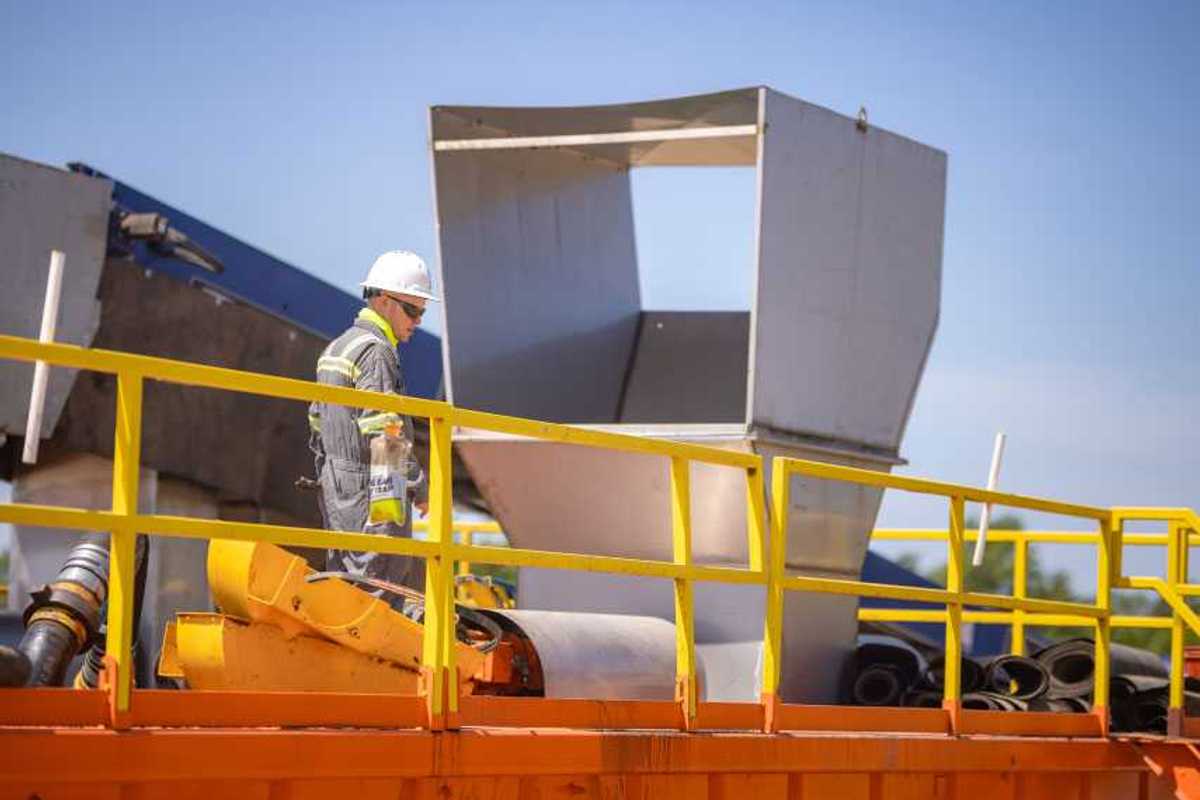
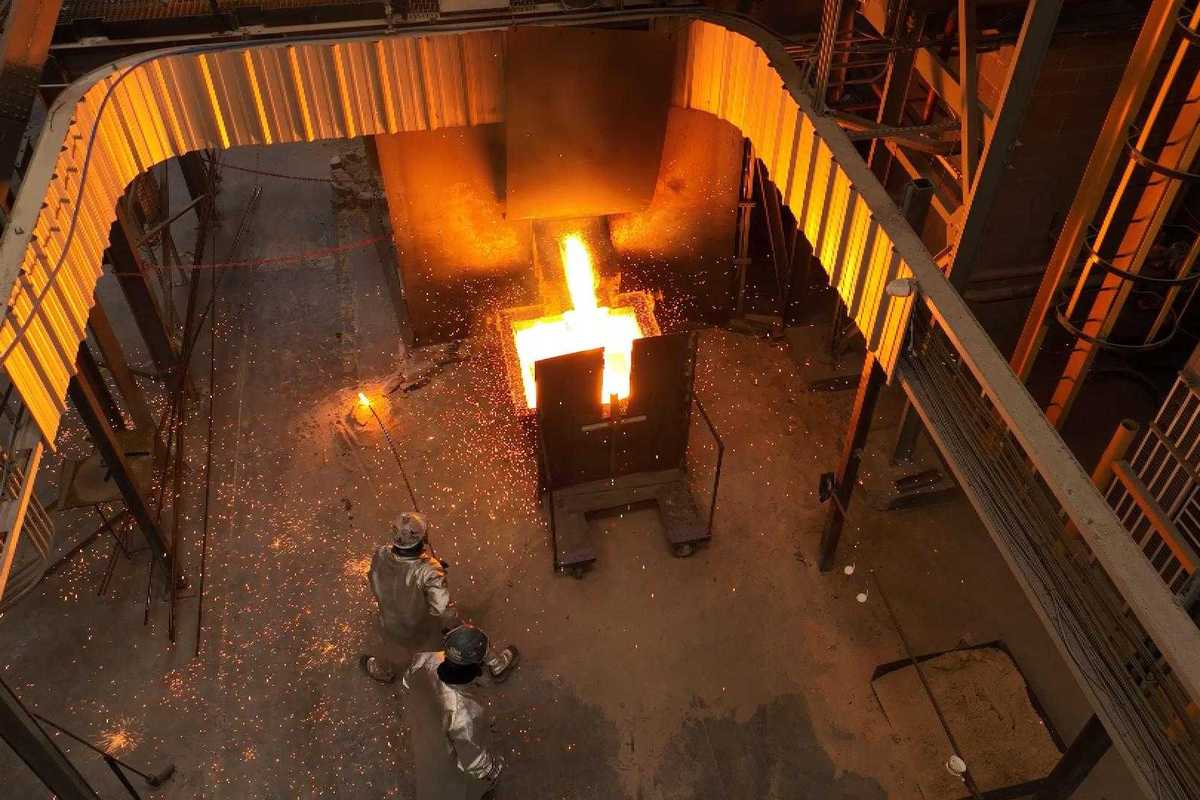
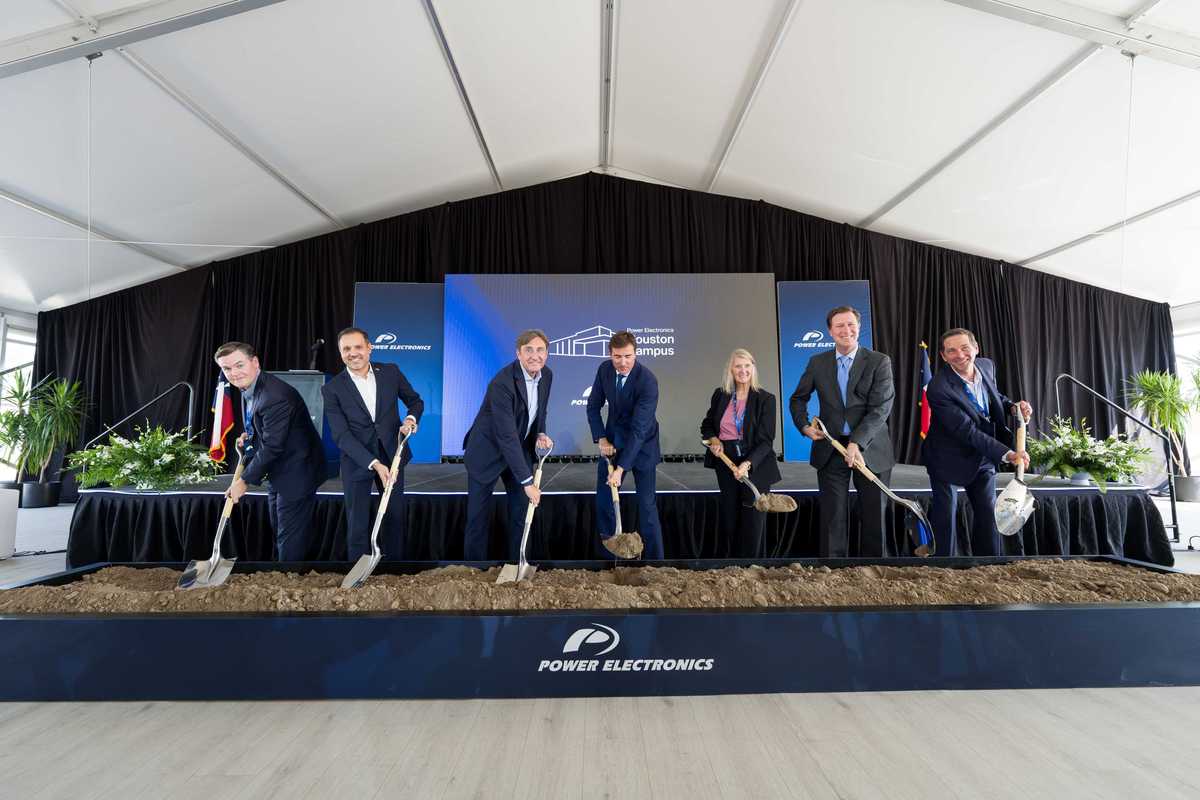
Fleetzero has raised $43 million to expand the manufacturing of its hybrid and electric marine propulsion system. Photo courtesy Fleetzero.

A Houston-based maritime technology company that is working to reduce emissions in the cargo and shipping industry has raised VC funding and opened a new Houston headquarters.

Fleetzero announced that it closed a $43 million Series A financing round this month led by Obvious Ventures with participation from Maersk Growth, Breakthrough Energy Ventures, 8090 Industries, Y Combinator, Shorewind, Benson Capital and others. The funding will go toward expanding manufacturing of its Leviathan hybrid and electric marine propulsion system, according to a news release.

The technology is optimized for high-energy and zero-emission operation of large vessels. It uses EV technology but is built for maritime environments and can be used on new or existing ships with hybrid or all-electric functions, according to Fleetzero's website. The propulsion system was retrofitted and tested on Fleetzero’s test ship, the Pacific Joule, and has been deployed globally on commercial vessels.

Fleetzero is also developing unmanned cargo vessel technology.

"Fleetzero is making robotic ships a reality today. The team is moving us from dirty, dangerous, and expensive to clean, safe, and cost-effective. It's like watching the future today," Andrew Beebe, managing director at Obvious Ventures, said in the news release. "We backed the team because they are mariners and engineers, know the industry deeply, and are scaling with real ships and customers, not just renderings."

Fleetzero also announced that it has opened a new manufacturing and research and development facility, which will serve as the company's new headquarters. The facility features a marine robotics and autonomy lab, a marine propulsion R&D center and a production line with a capacity of 300 megawatt-hours per year. The company reports that it plans to increase production to three gigawatt-hours per year over the next five years.

"Houston has the people who know how to build and operate big hardware–ships, rigs, refineries and power systems," Mike Carter, co-founder and COO of Fleetzero, added in the release. "We're pairing that industrial DNA with modern batteries, autonomy, and software to bring back shipbuilding to the U.S."

Ad Placement 300x100
Ad Placement 300x600

CultureMap Emails are Awesome

Greentown names 5 climatech startups to manufacturing accelerator

Catalyst Cohort

Greentown Labs has named five climatech startups to its Go Make 2026 cohort, including one from Houston.

Greentown Go Make 2026 is in partnership with Shell Catalysts & Technologies and Technip Energies. Startups will be able to collaborate with leadership from Shell and Technip and have opportunities to work directly with their process engineering teams and develop potential partnerships, pilots and demonstrations, according to Greentown.

This year's manufacturing cohort focuses specifically on process technology and catalytic innovations, which, according to Greentown, have the potential to be a "critical enabler of the global energy transition." Greentown shares that 90 percent of chemical processes depend on catalysis, but traditional methods rely on fossil fuels and consume significant amounts of energy.

“Catalysis underpins the majority of industrial chemical processes, which together account for a significant share of global emissions, making it a critical lever for reducing carbon intensity while improving performance,” Georgina Campbell Flatter, CEO of Greentown, said in a news release. “Greentown Go Make 2026 is designed to close the gap between breakthrough innovation and industrial deployment. By connecting startups with Shell and Technip Energies’ technical expertise and global scale, we’re helping accelerate solutions that improve efficiency and drive industrial decarbonization.”

The five Greentown Go Make 2026 companies include:

  • Houston-based Biosimo, which makes scalable biochemicals from ethanol
  • Missouri-based Catalyxx, which transforms bioethanol into drop-in, cost-competitive, carbon-negative chemicals
  • Sydney, Australia-based HydGene Renewables, which produces low-carbon hydrogen and industrial chemicals from waste biomass
  • Switzerland-based TreaTech, which turns waste into renewable gas, water and minerals through catalytic hydrothermal gasification
  • California-based Unifuel, which has developed a chemical technology platform to make sustainable aviation fuel, renewable gasoline and other renewable chemicals

The cohort will be celebrated at a kickoff event in Houston at The Ion on June 9.

In addition to Greentown Go Make, Greentown also runs its Go Move (transportation), Go Energize (energy and electricity), Go Build (buildings), and Go Grow (food and agriculture) cohort-based programs. The climatech incubator announced its Go Build 2026 cohort in March. Read more here.

Houston developer launches AI-powered water platform to boost efficiency

eyes on AI

Houston real estate company McCord Development has launched an artificial-Intelligence-run water management platform, MizuWatch.

MizuWatch aims to help operators, districts, and municipalities detect leaks faster, reduce water loss and improve efficiency, according to the company. MizuWatch pulls data from supply sources, smart meters, historical usage and maintenance records, and combines them into a single platform. The AI system also uses visual mapping and digital twin technology to deliver near-real-time system insights.

“MizuWatch brings the right data together daily, so teams can see what’s happening now, intervene earlier and focus their resources where they have the greatest impact,” Jerzy Wielgus, chief product officer for MizuWatch, said in a news release.

MizuWatch was built to “scale across geographies and system sizes to help assist with water scarcity, aging infrastructure, and operational complexity,” according to the company. It was developed at Houston’s Generation Park, McCord’s 4,300-acre master planned commercial district. McCord was able to pilot the platform onsite to help manage its complex, real-world water systems at scale.

“Resilient infrastructure is a key factor for the companies choosing Generation Park,” Ryan McCord, CEO of McCord Development and Founder & CEO of MizuWatch, added in the release. “We made the decision to deploy smart meters, but no one knew how to use the data they generate. This is an opportunity across all infrastructure where sensors are deployed. What started as an internal solution has become a platform we believe can help stakeholders everywhere be more efficient in their operations, investment, and compliance.”

Last fall, Eli Lilly and Co. selected Generation Park for its $6.5 billion manufacturing plant. More than 300 locations in the U.S. competed for the factory. Bristol Myers Squibb Co., another pharmaceutical giant, also announced it is considering Generation Park for a new manufacturing hub earlier this month.