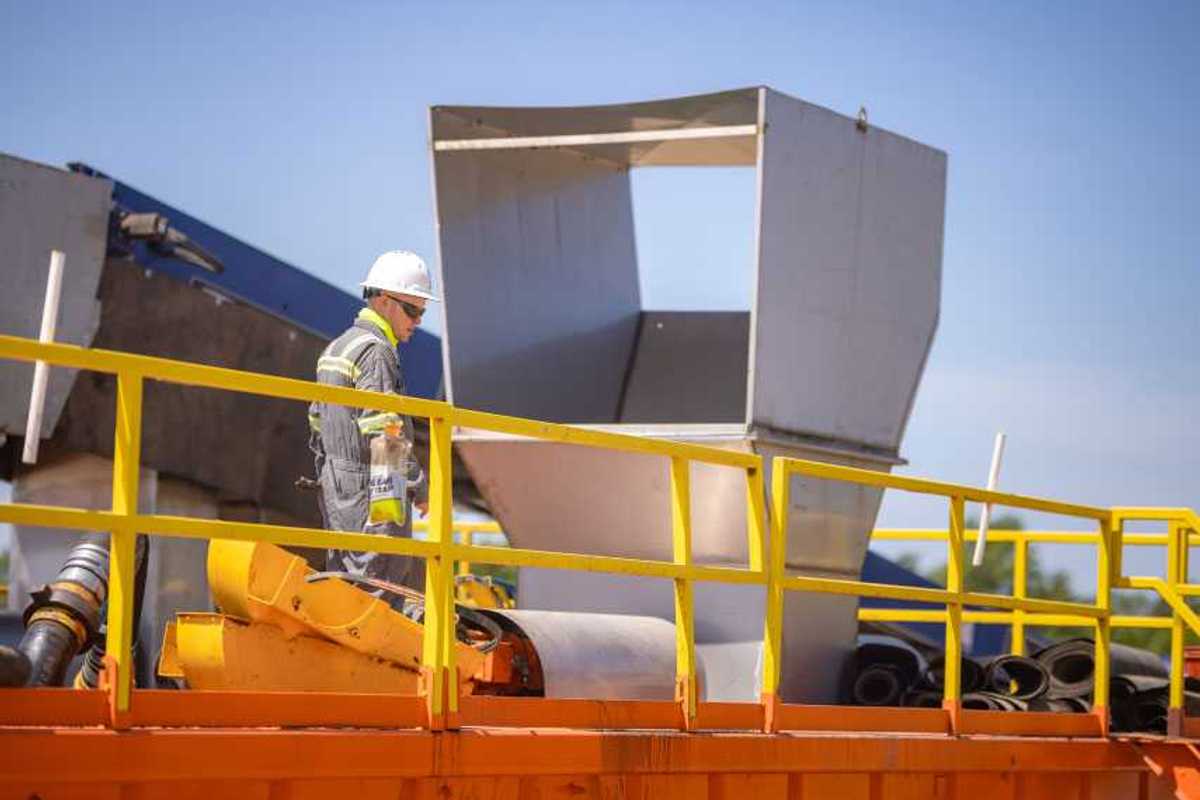
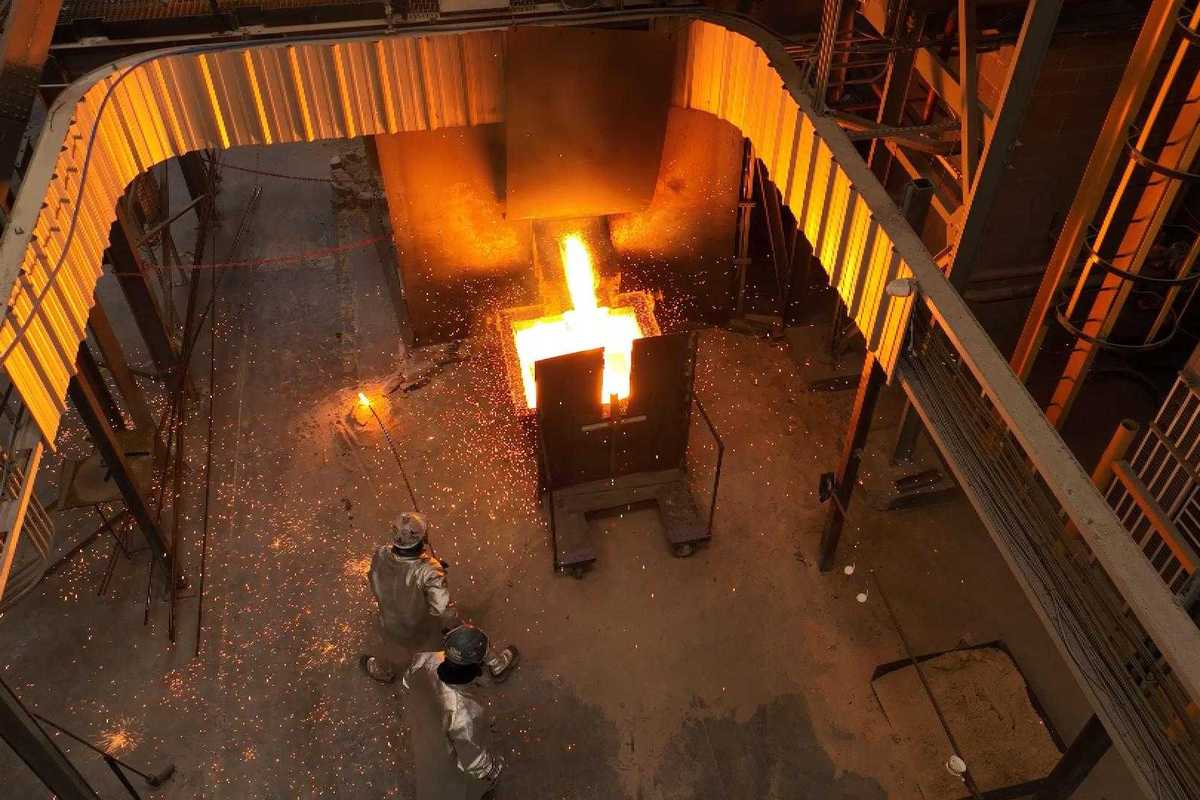
Houston-based oil and gas engineering and construction services provider McDermott is making some major software changes to better operate in the ongoing energy transition. Image via mcdermott-investors.com

A Houston engineering and construction solutions company serving the energy industry has announced an agreement that will introduce new software to the company's energy transition plans.

McDermott announced today that it has signed a lighthouse agreement with United Kingdom-based industrial software company AVEVA and Massachusetts-based product lifecycle management platform provider Aras. With the new software, McDermott plans "to develop its asset lifecycle management capability across the energy transition, oil and gas, and nuclear sectors," per the news release.

"McDermott is uniquely positioned to combine its extensive expertise in digital twin and industry-leading engineering procurement and construction (EPC) experience," Vaseem Khan, McDermott's senior vice president of Global Operations, says in the release. "The agreement represents our shared vision and commitment to data-centric digital deliverables management and creates an opportunity for robust digital transformation of industry processes."

The new technology should help reduce both cost and risk by improving decision-making, achieving better compliance and traceability, and enhancing performance.

"McDermott's engineering expertise forms an essential input in pioneering an industry solution that is urgently needed to improve outcomes in the energy, nuclear, marine, and other sectors," Rob McGreevy, chief product officer at AVEVA. "Together, we will provide competitive advantages for customers who join the lighthouse program."

The deal includes integrating Aras' Innovator platform with AVEVA Unified Engineering, AVEVA Asset Information Management, and other AVEVA tools and services to create, and McDermott will provide feedback and testing for its new software platforms.

"AVEVA's robust industry asset lifecycle management solutions, built on the Aras platform, will enable McDermott to leverage a fully connected digital thread of the asset's engineering and operations information," Roque Martin, CEO of Aras, says in the release. "We will create useful, usable, and powerful software for our joint customer base."
Ad Placement 300x100
Ad Placement 300x600

CultureMap Emails are Awesome

Syzygy inks long-term offtake agreement for first commercial SAF plant

fuel deal

Houston-based Syzygy Plasmonics has secured a six-year official offtake agreement for the entire production volume of its first commercial-scale biogas-to-sustainable aviation fuel project in Uruguay, known as NovaSAF-1.

SP Developments Uruguay S.A., a subsidiary of Syzygy, entered into the agreement with Singapore-based commodity company Trafigura, according to a news release. There is also an option for Trafigura to purchase additional volumes from future Syzygy projects.

The first deliveries from the landmark SAF facility are expected in 2028.

“This agreement marks a critical step in our journey toward commercial-scale impact and disrupting the SAF market,” Trevor Best, CEO of Syzygy Plasmonics, said in the news release. “With a signed offtake agreement from a global leader like Trafigura, and after having successfully completed FEED engineering in December, we're now ready to secure financing for the construction of NovaSAF-1 and move our technology from potential into production."

The NovaSAF-1 project will be located in Durazno, Uruguay. The facility will be the world's first electrified biogas-to-SAF facility producing renewable and advanced compliant SAF. Syzygy estimates that the project will produce over 350,000 gallons of SAF annually. The facility is expected to produce SAF with at least an 80 percent reduction in carbon intensity compared to Jet A fuel.

It’s backed by Uruguay’s largest dairy and agri-energy operations, Estancias del Lago. It will also work with Houston-based Velocys, which will provide Fischer-Tropsch technology for the project. Fischer-Tropsch technology converts synthesis gas into liquid hydrocarbons, which is key for producing synthetic fuels like SAF.

ERCOT to capture big share of U.S. solar power growth through 2027

solar growth

Much of the country’s growth in utility-scale solar power generation will happen in the grid operated by the Electric Reliability Council of Texas (ERCOT), according to a new forecast.

The U.S. Energy Information Administration (EIA) predicts that solar power supplied to the ERCOT grid will jump from 56 billion kilowatt-hours in 2025 to 106 billion kilowatt-hours by the end of 2027. That would be an increase of 89 percent.

In tandem with the rapid embrace of solar power, EIA anticipates battery storage capacity for ERCOT will expand from 15 gigawatts in 2025 to 37 gigawatts by the end of 2027, or 147 percent.

EIA expects utility-scale solar to be the country’s fastest-growing source of power generation from 2025 to 2027. It anticipates that this source will climb from 290 billion kilowatt-hours last year to 424 billion kilowatt-hours next year, or 46 percent.

Based on EIA’s projections, ERCOT’s territory would account for one-fourth of the country’s utility-scale solar power generation by the end of next year.

“Solar power and energy storage are the fastest-growing grid technologies in Texas, and can be deployed more quickly than any other generation resource,” according to the Texas Solar + Storage Association. “In the wholesale market, solar and storage are increasing grid reliability, delivering consumer affordability, and driving tax revenue and income streams into rural Texas.”