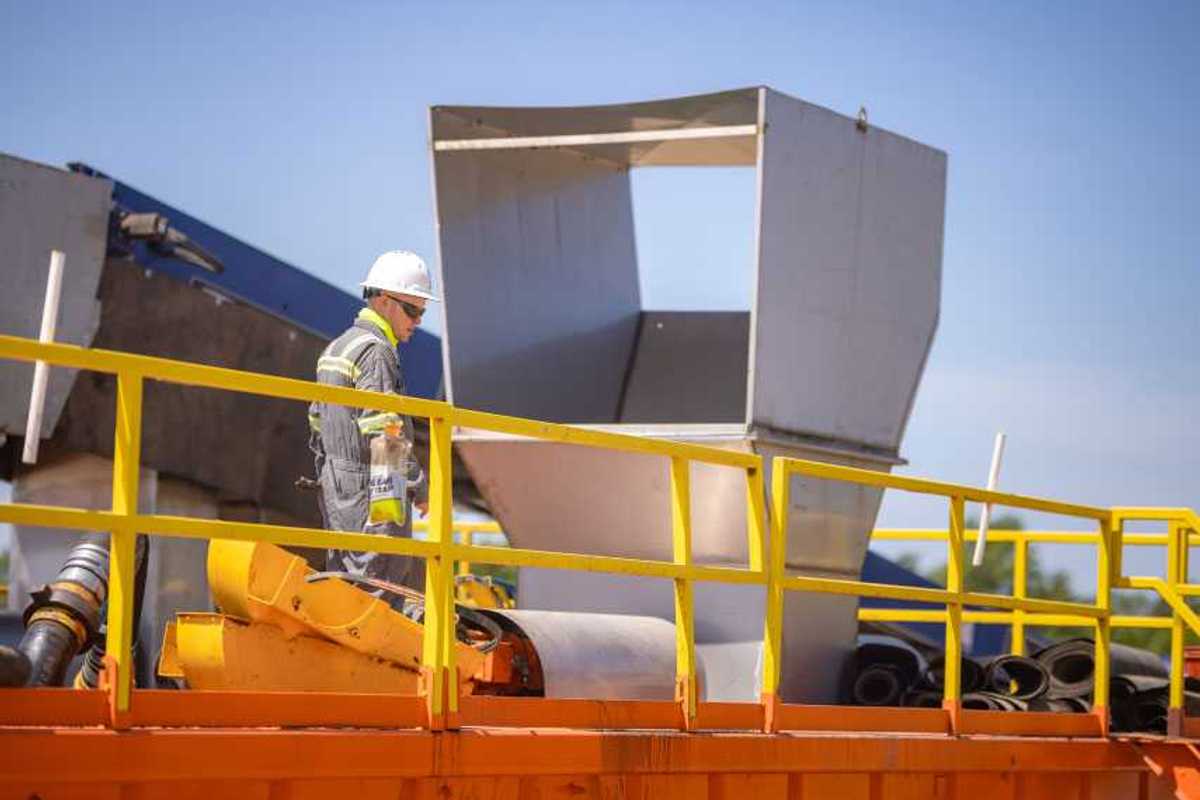
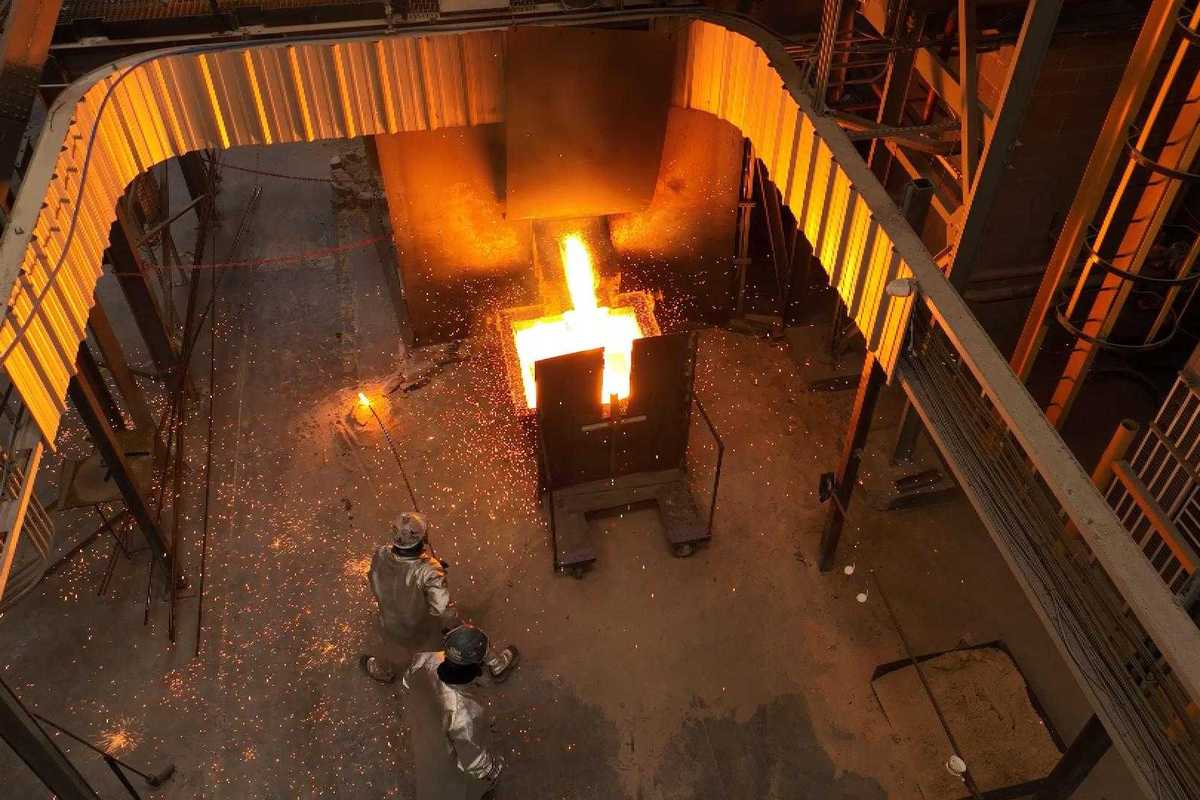
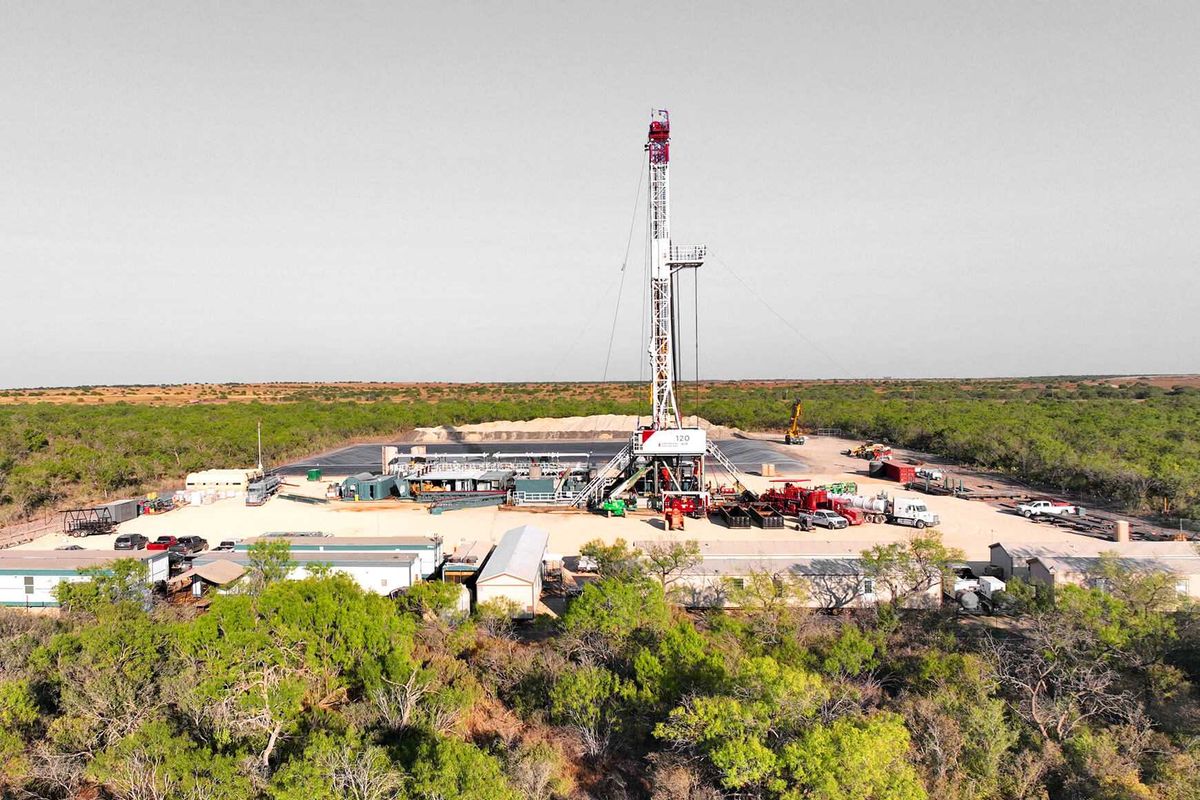
A Houston-based energy transition project developer announced its $1 billion project to provide cleaner energy to an Illinois-based agribusiness company. Photo via warwickcs.com

Broadwing Energy, a subsidiary of Houston-based energy transition company Warwick Carbon Solutions, is building a more than $1 billion natural gas facility in Illinois that’ll supply power for agribusiness giant Archer Daniels Midland and simultaneously reduce carbon emissions.

Construction is expected to start in 2025 and wrap up in 2028.

The natural gas plant will provide both electricity and steam for ADM’s processing operations in Decatur, Illinois, which consist of three facilities across more than 1,100 acres. CO2 “scrubbing” technology installed at the power plant will capture carbon emissions, which will then be kept in ADM carbon storage wells.

ADM’s products include citric acid, lactic acid, xanthan gum, dextrose, sorbitol, corn syrup, and ethanol.

Warwick says the power plant holds the potential to permanently remove more than two million tons of CO2 emissions per year. In addition, it will create about 1,000 construction jobs and two dozen permanent jobs.

Broadwing says the plant will net roughly 350 megawatts of lower-emission power to help decarbonize the industrial, transportation, and electricity sectors. ADM will buy about 95 megawatts of that power for its Decatur operations.

“This project will serve as a model for others to follow as we work toward decarbonizing our economy and the world,” says Jonathan Wiens, CEO of Warwick.

The Decatur project was announced in 2021.

Warwick Carbon Solutions’ equity backer is London-based investment firm Warwick Capital Partners, which opened a Houston office last year. Founded in 2010, Warwick Capital has about $2.5 billion in assets under management.
Ad Placement 300x100
Ad Placement 300x600

CultureMap Emails are Awesome

Houston scientists unveil faster, low-energy method to recycle lithium-ion batteries

Battery breakthrough

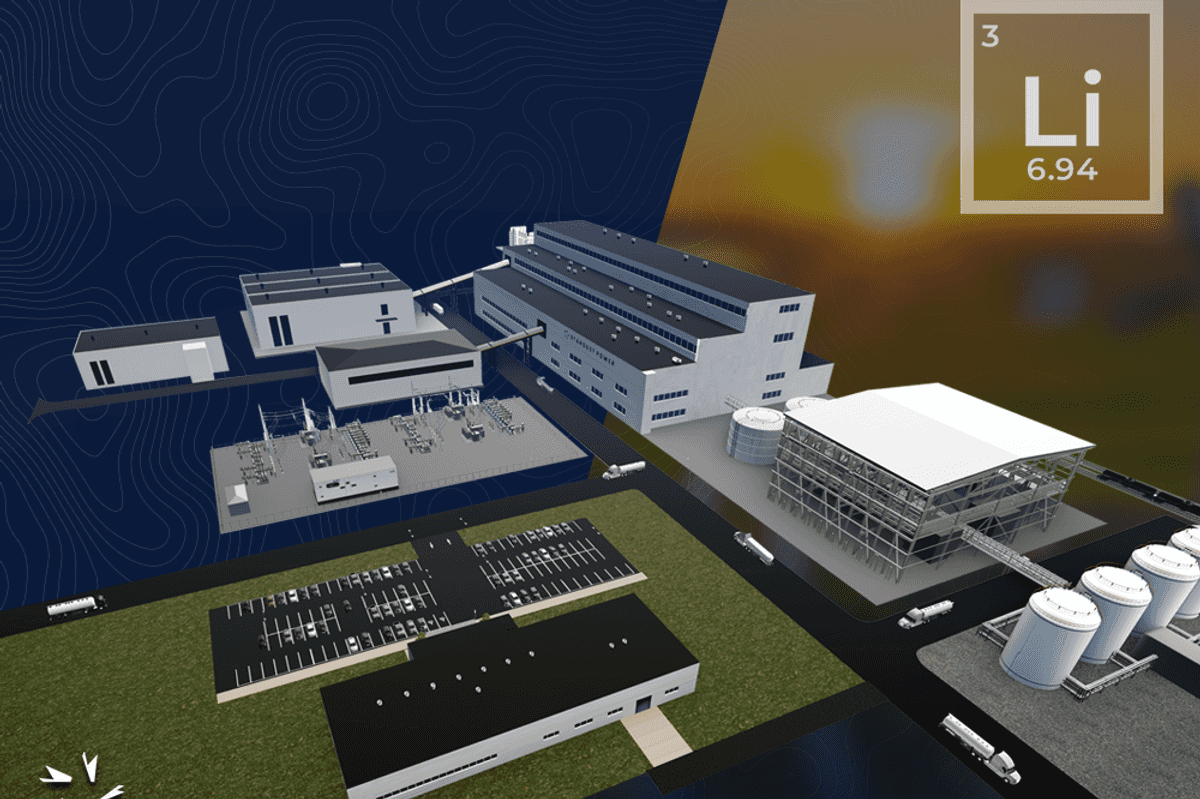
Rice University researchers have uncovered a more energy-efficient and faster way to recycle critical minerals from used lithium-ion batteries.

Traditional methods rely on high heat, long processing times and harsh chemicals to recover a small fraction of critical materials from batteries used in everything from smartphones to electric vehicles. However, the team from Rice's Department of Materials Science and Nanoengineering developed a process that uses a water-based solution containing amino chlorides to extract more metals in less time

The team published the findings in a recent edition of the scientific journal Small.

Simon King, a sophomore studying chemical and biomolecular engineering who completed this work as a summer research fellow at the Rice Advanced Materials Institute, served as first author of the study. He worked with corresponding authors Pulickel Ajayan, the Benjamin M. and Mary Greenwood Anderson Professor of Engineering, and Sohini Bhattacharyya, a research scientist in Ajayan’s lab.

By using a hydroxylammonium chloride (HACI) solution, the team achieved roughly 65 percent extraction of key battery metals in just one minute at room temperature, according to the study. The efficiencies grew to roughly 75 percent for several metals under longer processing times.

“We were surprised by just how fast the reaction occurs, especially without the involvement of high temperatures,” King said in a news release. “Within the first minute, we’re already seeing the majority of the metal extraction take place.”

By not requiring high temperatures or long reaction times, Rice predicts the process could have a major impact on cost and the environmental impact of lithium battery recycling. Additionally, the water-based HACI solution makes waste handling easier and lowers certain environmental risks.

In addition to extracting the materials, the team went on to demonstrate that the recovered metals could be recycled and reprocessed into new battery materials.

“A big advantage of this system is that it works under relatively mild conditions,” Ajayan added in the release. “That opens the door to more sustainable and scalable recycling technologies.”

Houston-area plastics company debuts state-of-the-art headquarters

new hq

Ultra-high-performance plastics company Drake Plastics officially opened its new state-of-the-art, 140,000-square-foot manufacturing center and corporate office in Cypress last month.

Dubbed “Drake HQ, ” the new facility was built to align with Harris County’s clean energy goals and features a 1.3-megawatt solar generation plant designed to offset 50 percent of the plant’s power consumption.

The facility is designed as a “factory ranch,” and is intended to blend in with its natural surroundings. With the expanded campus, Drake says it looks to serve existing and new customers in the semiconductor, aerospace, energy and defense industries.

The new headquarters is designed as a "factory ranch" and features a solar generation plant to offset half of its power consumption. Photo via LinkedIn

“We are thrilled to open the doors of our new headquarters in the area where it all began,” Drake Plastics President Steven Quance said in a news release. “We are honored to have reinvested in the community that has supported our growth and success over the past three decades.”

Drake Plastics cut the ribbon on March 26 at the new facility, which also marked the company’s 30th anniversary in the Cypress area. The company launched in 1996 with four employees and has grown to employ more than 100 staff members, according to a LinkedIn post.

Drake Plastics is a globally recognized leader in ultra-high-performance polymer manufacturing and specializes in extrusion, injection molding, precision machining, machine building, engineering and distribution. According to the company, its new Cypress facilty is one of the largest in the world that processes these high-performance polymers.