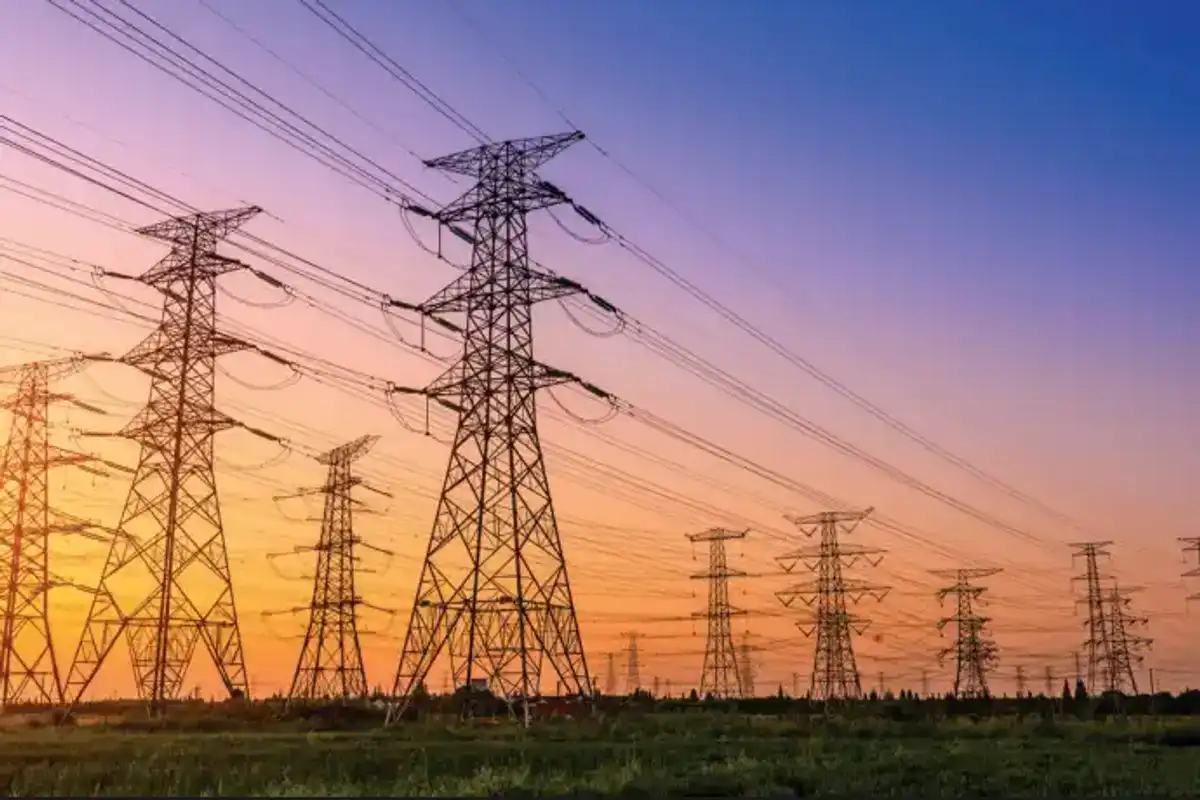
A new joint venture will work on four projects supplying 5 gigawatts of power from combined-cycle power plants for the ERCOT and PJM Interconnection grids. Photo via Getty Images.

Houston-based power provider NRG Energy Inc. has formed a joint venture with two other companies to meet escalating demand for electricity to fuel the rise of data centers and the evolution of generative AI.

NRG’s partners in the joint venture are GE Vernova, a provider of renewable energy equipment and services, and TIC – The Industrial Co., a subsidiary of construction and engineering company Kiewit.

“The growing demand for electricity in part due to GenAI and the buildup of data centers means we need to form new, innovative partnerships to quickly increase America’s dispatchable generation,” Robert Gaudette, head of NRG Business and Wholesale Operations, said in a news release. “Working together, these three industry leaders are committed to executing with speed and excellence to meet our customers’ generation needs.”

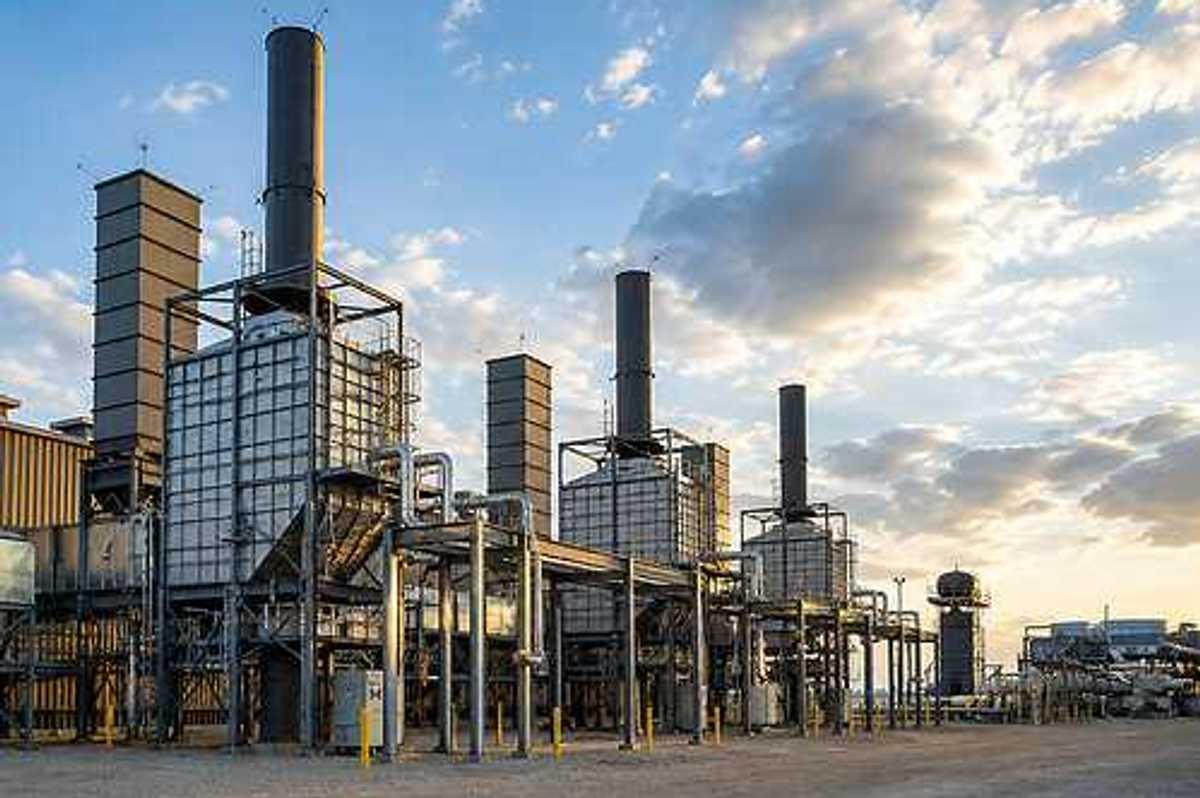
Initially, the joint venture will work on four projects supplying 5 gigawatts of power from combined-cycle power plants, which uses a combination of natural gas and steam turbines that produce additional electricity from natural gas waste. Electricity from these projects will be produced for power grids operated by the Electric Reliability Council of Texas (ERCOT) and PJM Interconnection. The projects are scheduled to come online from 2029 through 2032.

The joint venture says the model it’s developing for these four projects is “replicable and scalable,” with the potential for expansion across the U.S.

The company is also developing a new 721-megawatt natural gas combined-cycle unit at its Cedar Bayou plant in Baytown, Texas. Read more here.

Ad Placement 300x100
Ad Placement 300x600

CultureMap Emails are Awesome

Texas data center boom could strain water supply, new report warns

thirst for data

As data centers continue to boom throughout Texas, a new report from the Houston Advanced Research Center (HARC) warns that the trend could strain the state’s water supply.

HARC estimates Texas data centers used 25 billion gallons of water in 2025—and that the demand for water will continue to rise to meet the needs of the 464 data centers currently in Texas, as well as 70 additional sites currently under development.

In the report, titled “Thirsty Data and the Lone Star State: The Impact of Data Center Growth on Texas’ Water Supply,” The Woodlands-based nonprofit says that water use for cooling data centers is expected to double or triple by 2028 on the national level. If projections hold, the total annual water use for data centers in Texas will increase by 0.5 percent to 2.7 percent by 2030, or to between 29 billion and 161 billion gallons of water consumed.

Data centers often use water for cooling, though water demand is dependent on the type of cooling used, the size and type of the data center. Although used water can be reused, some new water withdrawals are always needed to replace evaporated water and other systems’ water losses. Water is also used to cool the power plants that generate electricity used by the data centers.

The HARC report offers guidance to address the overall concerns of water demands by data centers, including:

  • Dry cooling methods
  • Increased reliance on wind and solar energy sources
  • Alternative water supplies, like treated wastewater or brackish water for cooling
  • Adjusted operating schedules to accommodate water usage
  • Partnering with local companies to develop projects that reduce water leaks
  • Companies creating their own water infrastructure investments

The report goes on to explain that the Texas State Water Plan, produced by the Texas Water Development Board, projects shortages of 1.6 trillion gallons by 2030 and 2.3 trillion gallons by 2070. HARC posits that the recent surge in water demand from AI data centers is not fully reflected in those projections.

"Texas water plans always look backward, not forward," the report reads. "That means the 2027 water plan, which is in development now, will be based on 2026 regional water plans that do not include forecasted data center water use. Data centers that began operation in 2025 will not be added to the State Water Plan until 2032."

Currently, there are no state regulations that require data centers to report how much water they use. However, the Public Utility Commission of Texas (PUC) plans to survey operators of data centers and cryptocurrency mining facilities on their water consumption, cooling methods and electricity sources this spring. It is expected to release the results by the end of the year. The companies will have six weeks to respond. The Texas Water Development Board will assist the PUCT on the questions.

“I think we all recognize the importance of data centers and the technology they support and what they give to our modern-day life,” PUC Commissioner Courtney Hjaltman said during the last commission meeting. “Texans, regulators and the legislature really need that understanding of data centers, really need to understand the water they’re using so that we can plan and create the Texas we want.”

See the full HARC report here.

Houston cleantech startup seeks $200M for superhot geothermal plant

seeing green

Houston-based Quaise Energy is looking to raise $200 million to support the development of a 50-megawatt superhot geothermal plant in Oregon.

The company is seeking $100 million in Series B funding, plus an additional $100 million from grants, debt and project-level finance, a representative from the company tells Energy Capital. Axios first reported the news late last month.

Quaise specializes in terawatt-scale geothermal power. It is known for its millimeter-wave drilling technology, which was developed at MIT.

The company's Project Obsidian development in central Oregon will combine conventional drilling with its millimeter-wave technology. Quaise says the project, targeted to come online in 2030, could be the first commercial plant to operate in superhot rock, a more efficient and abundant resource, but one that requires more advanced and durable drilling technology.

Quaise says Obsidian would initially generate 50 megawatts of "always-on" power and would be designed to add 200 megawatts as additional wells are developed. A power-purchase deal has already been signed for the initial 50 megawatts with an undisclosed customer.

A representative from the company says Quaise would also use the funding to continue advancing its millimeter-wave technology and prepare it for commercialization.

Last year, the company drilled to a depth of about 330 feet using its millimeter-wave technology at its field site in Central Texas.

“Our progress this year has exceeded all expectations,” Carlos Araque, CEO and president of Quaise Energy, said at the time. “We’re drilling faster and deeper at this point than anyone believed possible, proving that millimeter-wave technology is the only tool capable of reaching the superhot rock needed for next-generation geothermal power. We are opening up a path to a new energy frontier.”

Canary Media reports that Quaise plans to drill to nearly 3,300 feet later this year and to deploy its millimeter-wave technology at its power plant in 2027.

Quaise raised $21 million in a Series A1 financing round in 2024 and a $52 million Series A in 2022. Major investors include Prelude Ventures, Safar Partners, Mitsubishi Corporation, Nabors Industries, TechEnergy and others.

Quaise was one of eight Houston-area companies to appear on Time magazine and Statista’s list of America’s Top GreenTech Companies of 2025.

Houston positioned to lead in Carbon Capture Utilization (CCU), study shows

The View From HETI

With global demand for energy production while lowering emissions continues to grow, Houston and the Gulf Coast region are uniquely positioned to lead with carbon capture, utilization and sequestration (CCUS). A new study developed by the Houston Energy Transition Initiative (HETI) in collaboration with Deloitte Consulting explores how the region can transform captured CO₂ into valuable products while supporting continued economic growth and industrial competitiveness.

Key takeaways from the report include:

Houston and the Gulf Coast are uniquely advantaged to utilize and store carbon.As a global hub for chemicals and refining industries, Houston has access to world-class infrastructure, a skilled workforce, and access to global markets. The region also has one of the nation’s highest concentrations of industrial CO2 and creates the opportunity to capture waste material streams to deliver lower carbon intensity products that continue to deliver economic benefits to the region.

While carbon capture and sequestration (CCS) projects continue to advance, CCU requires coordinated action across policy, infrastructure, technology and market demand to scale successfully. Utilization and sequestration are complementary strategies that support and protect investment deployments. CCS acts as an early foundation while markets and infrastructure evolve toward broader CO₂ utilization, and CCU is essential to developing low-carbon-intensity value chains and products.

“Our collaboration with Deloitte highlights how Houston and the Gulf Coast continue to build on the strengths that have long made our region an energy leader. Houston’s infrastructure, workforce, and industrial ecosystem uniquely position the region to scale CCU,” said Jane Stricker, Senior Vice President, Energy Transition, and Executive Director of HETI. “With supportive policy, continued innovation, and strong industry partnerships, we can accelerate CCU deployment, create new low-carbon value chains, and ensure Houston remains at the forefront of the global energy transition.”

Download the full report here.

———

This article originally appeared on the Greater Houston Partnership's Houston Energy Transition Initiative blog. HETI exists to support Houston's future as an energy leader. For more information about the Houston Energy Transition Initiative, EnergyCapitalHTX's presenting sponsor, visit htxenergytransition.org.