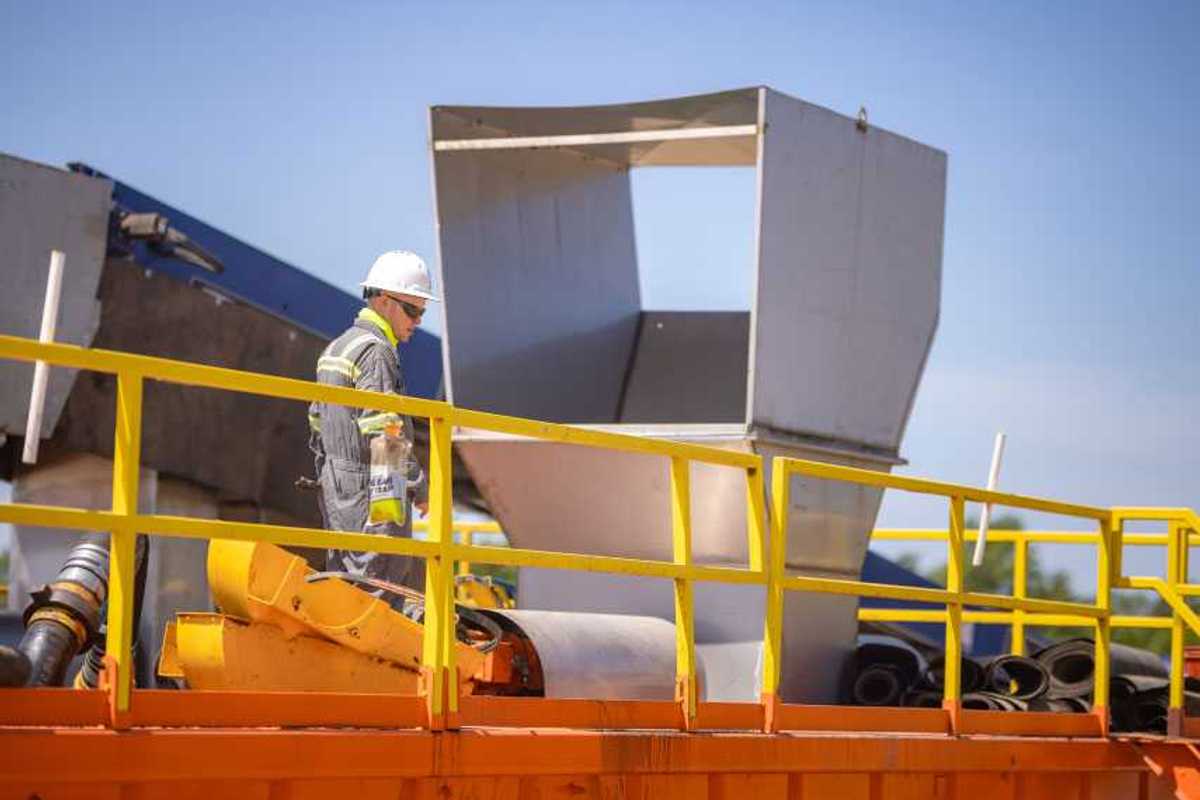
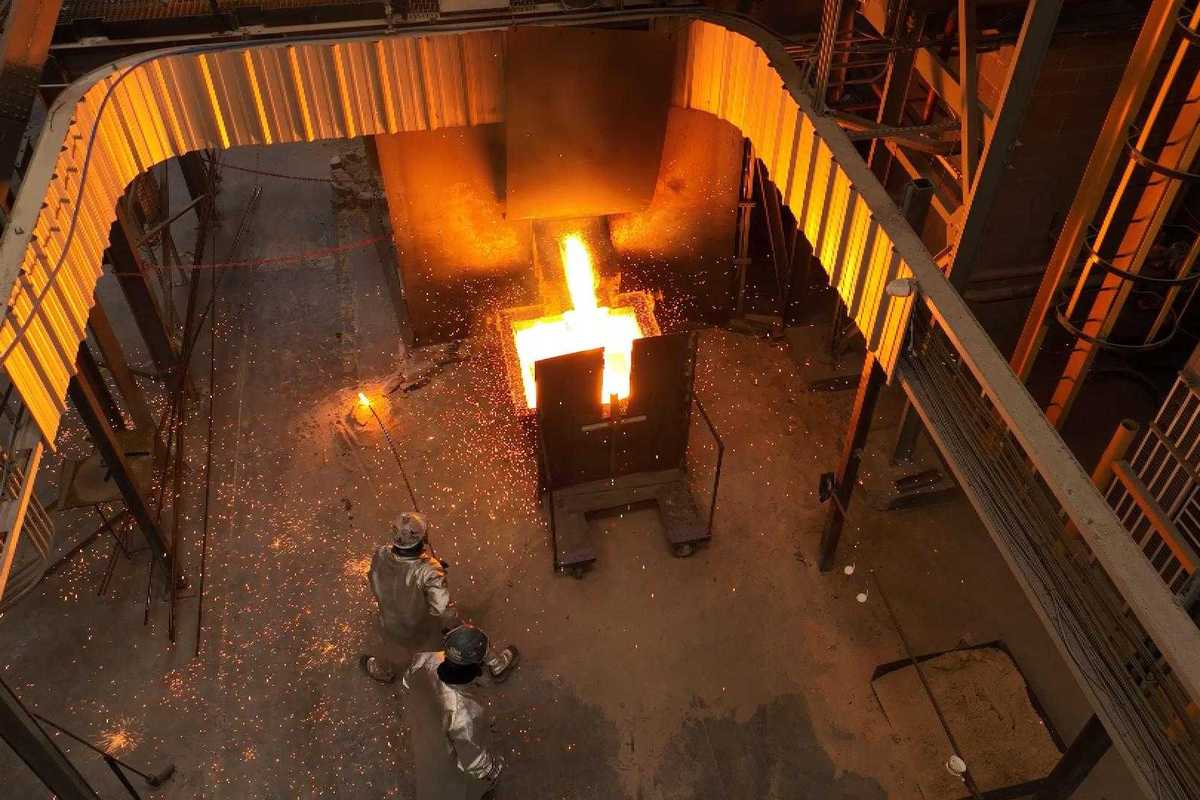
Fervo Energy has raised additional funding to continue executing on its mission of more reliable geothermal energy production. Photo via FervoEnergy.com

A next-generation geothermal tech company announced a new investment from an Oklahoma City-based oil and gas producer.

Fervo Energy secured the $10 million strategic investment from Devon Energy Corporation (NYSE: DVN) this week. The deal creates a partnership between the two entities.

“We are thrilled to have Devon as a partner,” says Tim Latimer, co-founder and CEO of Fervo, in a news release. “Devon is a technology leader with historic and unparalleled expertise in drilling and completing wells. We expect this partnership will help unlock further potential for geothermal as the primary 24/7 renewable energy source.”

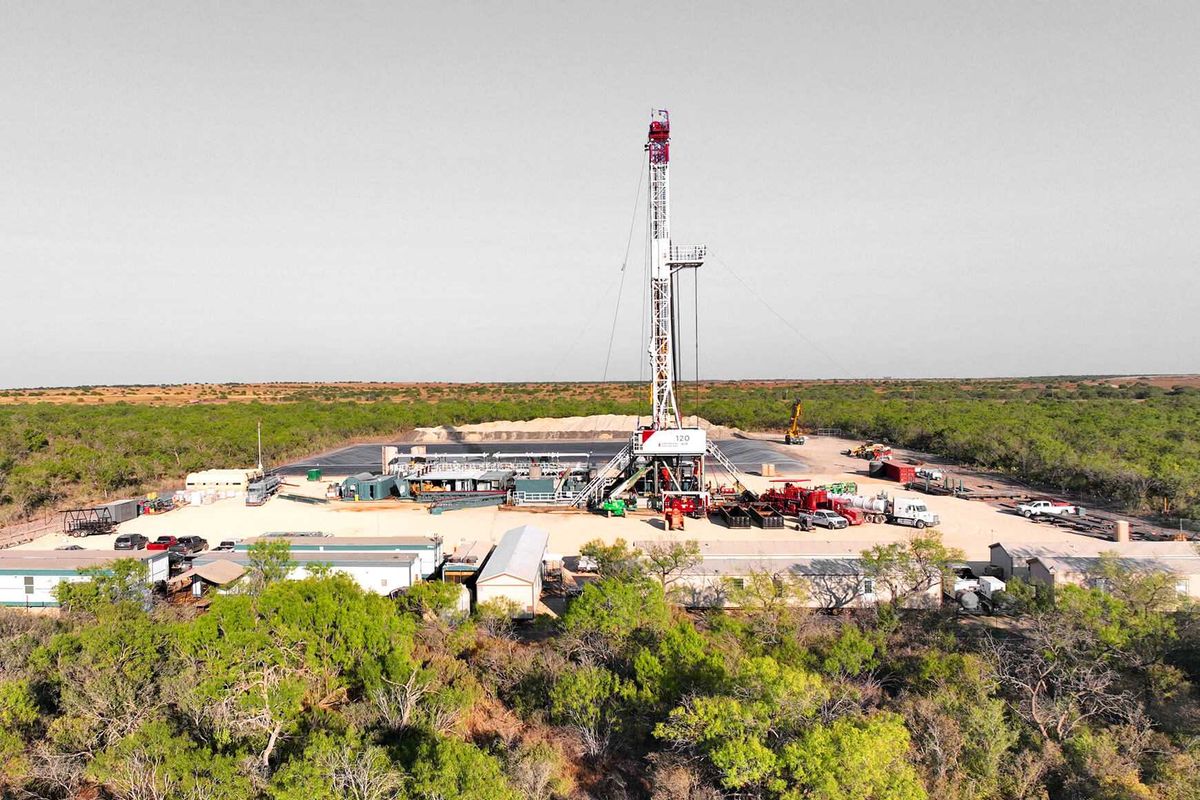
Fervo's technology includes drilling horizontal wells for commercial geothermal production as well as distributed fiber optic sensing to geothermal reservoir development, per the release. The strategy allows for more accessible geothermal power.

“We are excited about this partnership with Fervo, an innovator and leader in the enhanced geothermal space,” says David Harris, chief corporate development officer and executive vice president at Devon. “This investment is a good match for Devon’s new energy ventures strategy.”

Last year, Fervo raised a $138 million series C round to support the completion of power plants in Nevada and Utah and evaluate new projects in California, Idaho, Oregon, Colorado, and New Mexico, as well as in other countries. This latest investment brings the company's total funds raised to $187 million since its inception in 2017.

This article originally ran on Innovation Map.


Ad Placement 300x100
Ad Placement 300x600

CultureMap Emails are Awesome

Houston startup launches groundbreaking mineral hydrogen pilot

pilot project

Houston climatech company Vema Hydrogen recently completed drilling its first two pilot wells in Quebec for its Engineered Mineral Hydrogen (EMH) pilot. The company says the project is the first EMH pilot of its kind.

Vema’s EMH technology produces low-cost, high-purity hydrogen from subsurface rock formations. It has the capacity to support e-fuel and clean mobility industries and the shipping and air transport markets. The pilot project is the first field deployment of the company’s technology.

“This pilot will provide the critical data needed to validate Engineered Mineral Hydrogen at commercial scale and demonstrate that Quebec can lead the world in this emerging clean energy category,” Pierre Levin, CEO of Vema Hydrogen, said in a news release.

Levin added that the sample collected thus far in the pilot is “exactly what we expected, and is very promising for hydrogen yields.”

Through the pilot, Vema will collect core samples and begin subsurface analysis to evaluate fluid movement and monitor hydrogen production from the wells. The data collected from the pilot will shape Vema's plans for commercialization and provide documentation for proof of concept in the field, according to the news release.

“Vema Hydrogen perfectly embodies the spirit of the grey to green movement: transforming mining liabilities into drivers of innovation and ecological transition,” Ludovic Beauregard, circular economy commissioner at the Thetford Region Economic Development Corporation, added in the release.

“This project demonstrates that it is possible to reconcile the revitalization of mining regions, clean energy and sustainable economic development for these areas.”

In addition to its pilot in Canada, Vema also recently signed a 10-year hydrogen purchase and sale agreement with San Francisco-based Verne Power to supply clean hydrogen for data centers across California. The company was selected as a Qualified Supplier by The First Public Hydrogen Authority, which will allow it to supply clean hydrogen at scale to California’s municipalities, transit agencies and businesses through the FPH2 network.

Vema aims to produce Engineered Mineral Hydrogen for less than $1 per kilogram. The company, founded in 2024, is working toward a gigawatt-scale hydrogen supply in North America.

Houston startup wins funding through new Bezos Earth Fund initiative

global winner

A Houston-based climatech startup is one of the first 16 companies in the world to receive funding through a new partnership between The Bezos Earth Fund and The Earthshot Prize.

Mati Carbon will receive $100,000 through the Bezos Earth Fund’s Acceleration Initiative. The initiative will provide $4.8 million over three years to support climate and nature solutions startups. It's backed by The Bezos Earth Fund, which was founded through a $10 billion gift from Amazon founder Jeff Bezos and aims to "transform the fight against climate change."

The Acceleration Initiative will choose 16 startups each year from The Earthshot Prize’s global pool of nominations that were not selected as finalists. The Earthshot Prize, founded by Prince William, awards £1 million to five energy startups each year over a decade.

"The Earthshot Prize selects 15 finalists each year, but our wider pool of nominations represents a global pipeline of innovators and investable solutions that benefit both people and planet. Collaborating with the Bezos Earth Fund to support additional high-potential solutions is at the heart of commitment to working with partners who share our vision," Jason Knauf, CEO of The Earthshot Prize, said in a news release. "By combining our strengths to support 48 carefully selected grantees from The Earthshot Prize’s pool of nominations, our partnership with the Bezos Earth Fund means we will continue to drive systemic change beyond our annual Prize cycle, delivering real-world impact at scale and speed.”

Mati Carbon was founded in 2022 by co-directors Shantanu Agarwal and Rwitwika Bhattacharya. It removes carbon through its Enhanced Rock Weathering (ERW) program and works with agricultural farms in Africa and India. Mati Carbon says the farmers it partners with are some of the most vulnerable to the impacts of climate change.

"As one of the first 16 organizations selected, this support enables us to expand our operations, move faster and think bigger about the impact we can create," the company shared in a LinkedIn post.

The other grantees from around the world include:

  • Air Protein Inc.
  • Climatenza Solar
  • Instituto Floresta Viva
  • Forum Konservasi Leuser
  • Fundación Rewilding Argentina
  • Hyperion Robotics
  • InPlanet
  • Lasso
  • Mandai Nature
  • MERMAID
  • Asociación Conservacionista Misión Tiburón
  • Simple Planet
  • Snowchange Cooperative
  • tHEMEat Company
  • UP Catalyst

Mati Carbon also won the $50 million grand prize in the XPRIZE Carbon Removal competition, backed by Elon Musk’s charitable organization, The Musk Foundation, last year.

Texas' oil and gas foundation could boost its geothermal future, UH says

future of geothermal

Equipped with the proper policies and investments, Texas could capitalize on its oil and gas infrastructure and expertise to lead the U.S. in development of advanced geothermal power, a new University of Houston white paper says.

Drilling, reservoir development and subsurface engineering are among the Texas oil and gas industry’s capabilities that could translate to geothermal energy, according to a news release. Furthermore, oil and gas skills, data, technology and supply chains could help make geothermal power more cost-effective.

Up to 80 percent of the investment required for a geothermal project involves capacity and skills that are common in the oil and gas industry, the white paper points out.

Building on its existing oil-and-gas foundation, Texas could help accelerate production of geothermal energy, lower geothermal energy costs and create more jobs in the energy workforce, according to the news release.

The paper also highlights geothermal progress made by Houston-based companies Fervo Energy, Quaise Energy and Sage Geosystems, as well as Canada-based Eavor Technologies Inc.

UH’s Division of Energy published the white paper, Advanced Geothermal: Opportunities and Challenges, in partnership with the C.T. Bauer College of Business’ Gutierrez Energy Management Institute.

“Energy demand, especially electricity demand, is continuing to grow, and we need to develop new low-carbon energy sources to meet those needs,” Greg Bean, executive director of the institute and author of the white paper, said of geothermal’s potential.