room to improve
Texas ranks below average on most energy-efficient states report
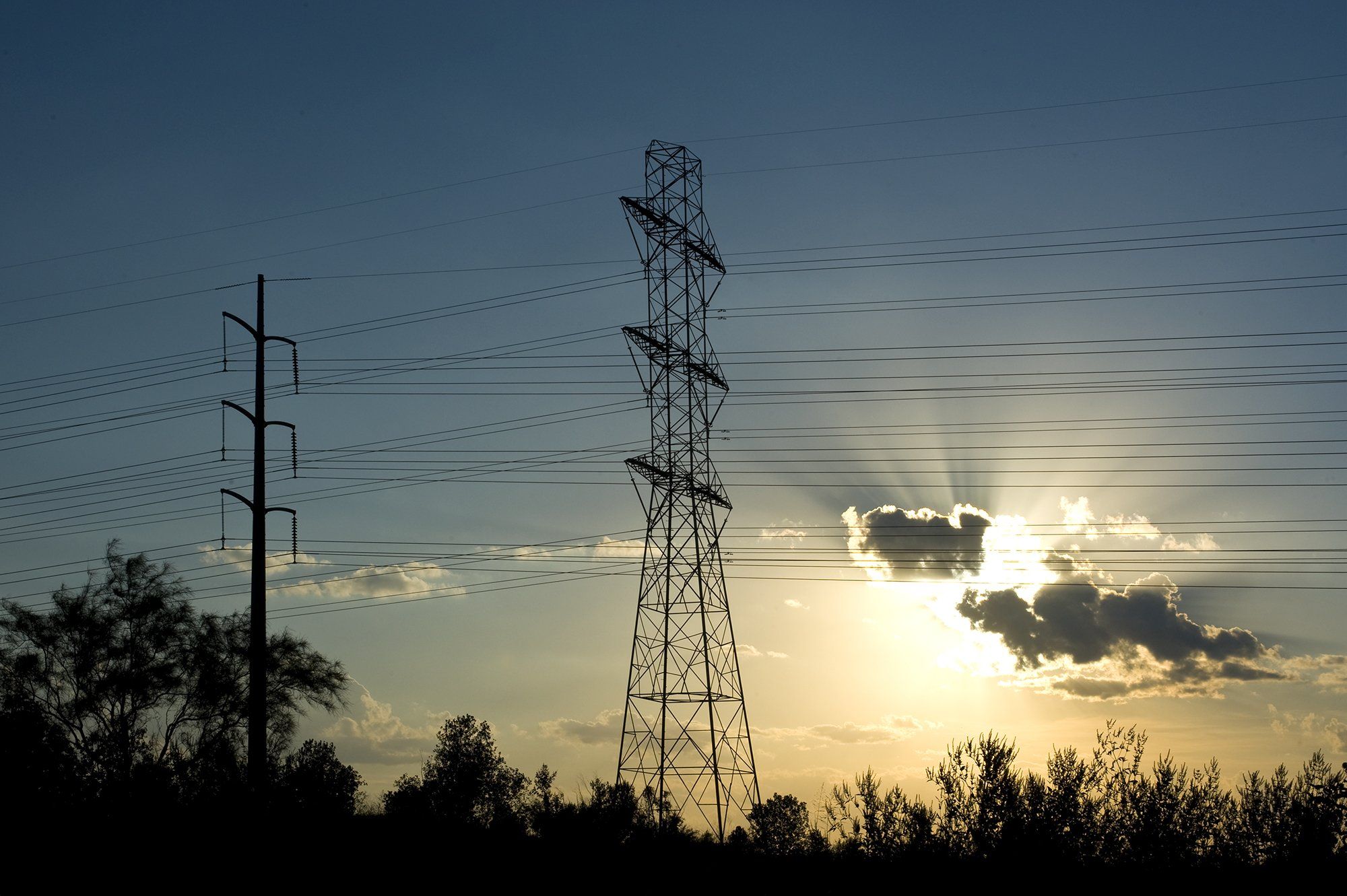
Texas improved by one spot on WalletHub's Most & Least Energy-Efficient States report for 2026. Photo courtesy of ERCOT
Despite being home to a booming energy sector, Texas ranks below average on a new list of the country’s most and least energy-efficient states.
The list, compiled by personal finance website WalletHub, puts Texas at No. 34 for energy efficiency. It ranked 27th for energy efficiency of homes and 41st for energy efficiency of cars. Texas improved by one spot on the 2026 report, after coming in at No. 35 last year and No. 36 in 2024.
California took the top spot on the list this year, beating out Vermont, which claimed the No. 1 rank in 2025. South Carolina ranked No. 48. Due to data limitations, Alaska and Hawaii were excluded from WalletHub’s analysis.
In the WalletHub study, California had the lowest residential energy consumption per capita and the third-highest efficiency for home energy. At the bottom of the list, South Carolina ranked 48th for energy efficiency of homes and 35th for energy efficiency of cars.
Here’s who joined California in the top 5:
- No. 2 Vermont
- No. 3 New York
- No. 4 Washington
- No. 5 Massachusetts
WalletHub notes the average U.S. family spends at least $2,000 per year on utilities, and the average consumer spent $2,411 on gasoline in 2024.
The U.S. Department of Energy estimates that adopting energy-efficient measures in the home could reduce a family’s utility costs by as much as 25 percent. As for gas, the agency found a more fuel-efficient vehicle could save the average driver more than $1,000 per year.
“Energy efficiency doesn’t just help save the planet — it also helps save you money by lowering the amount of electricity, gas, oil, or other types of energy you need to consume,” WalletHub analyst Chip Lupo says.
“While there are some steps you can take to become more energy-efficient on your own, living in the right area can give you a big boost,” he adds. “For example, certain states have much better public transportation systems that minimize your need to drive, at least in big cities. Some places also have better-constructed buildings that retain heat better during the winter or stay cooler during the summer.”
WalletHub compiled the listing using data from the U.S. Census Bureau, National Climatic Data Center, U.S. Energy Information Administration, and Federal Highway Administration.