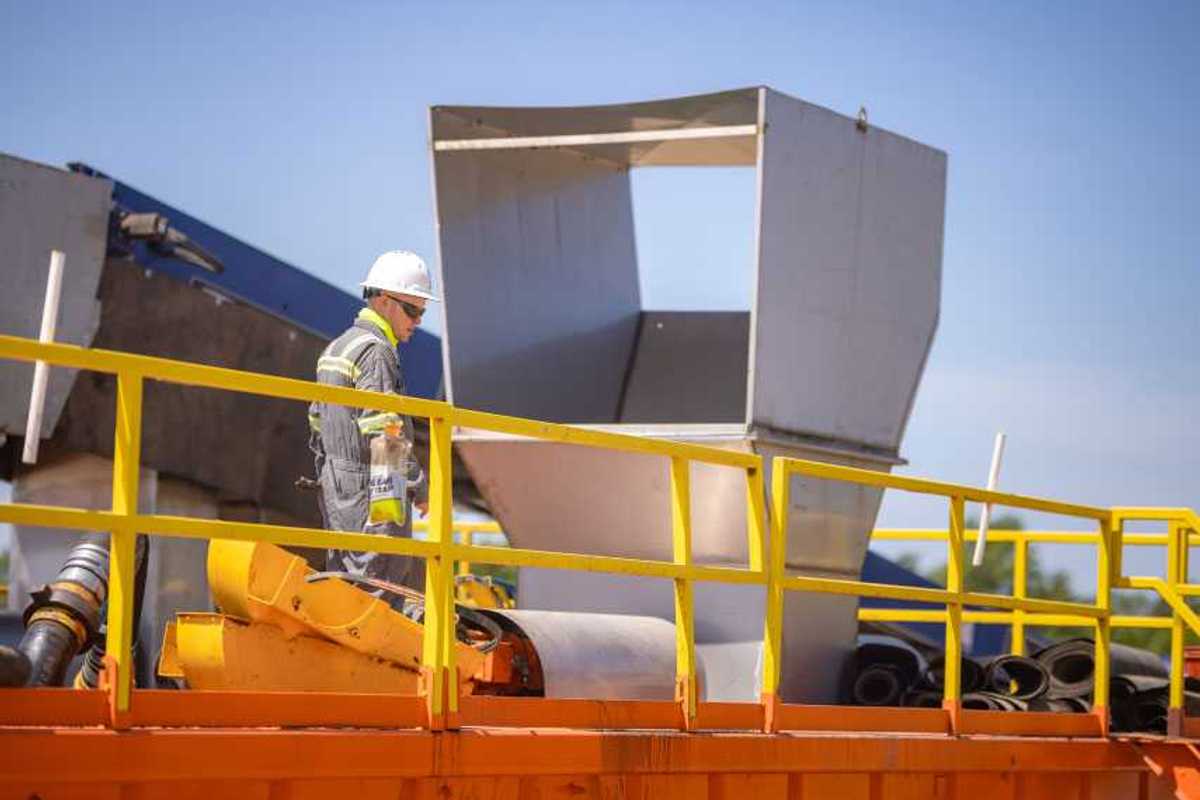
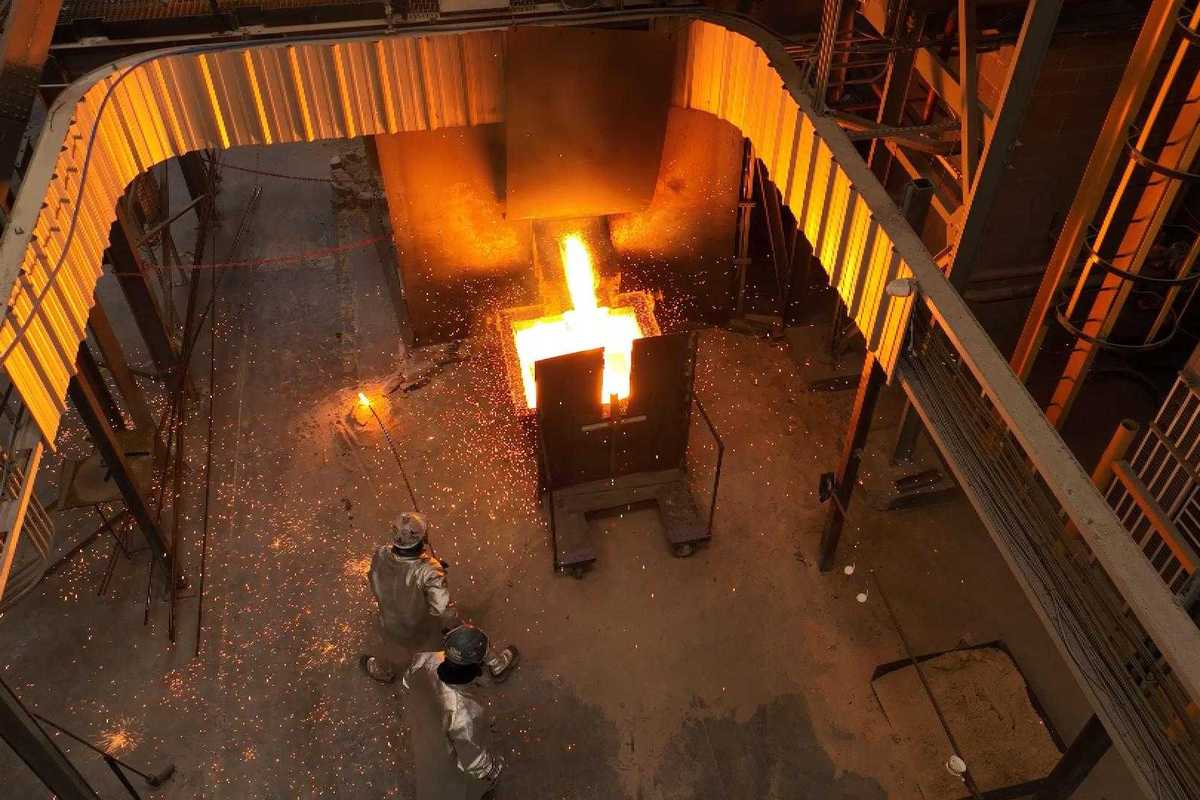
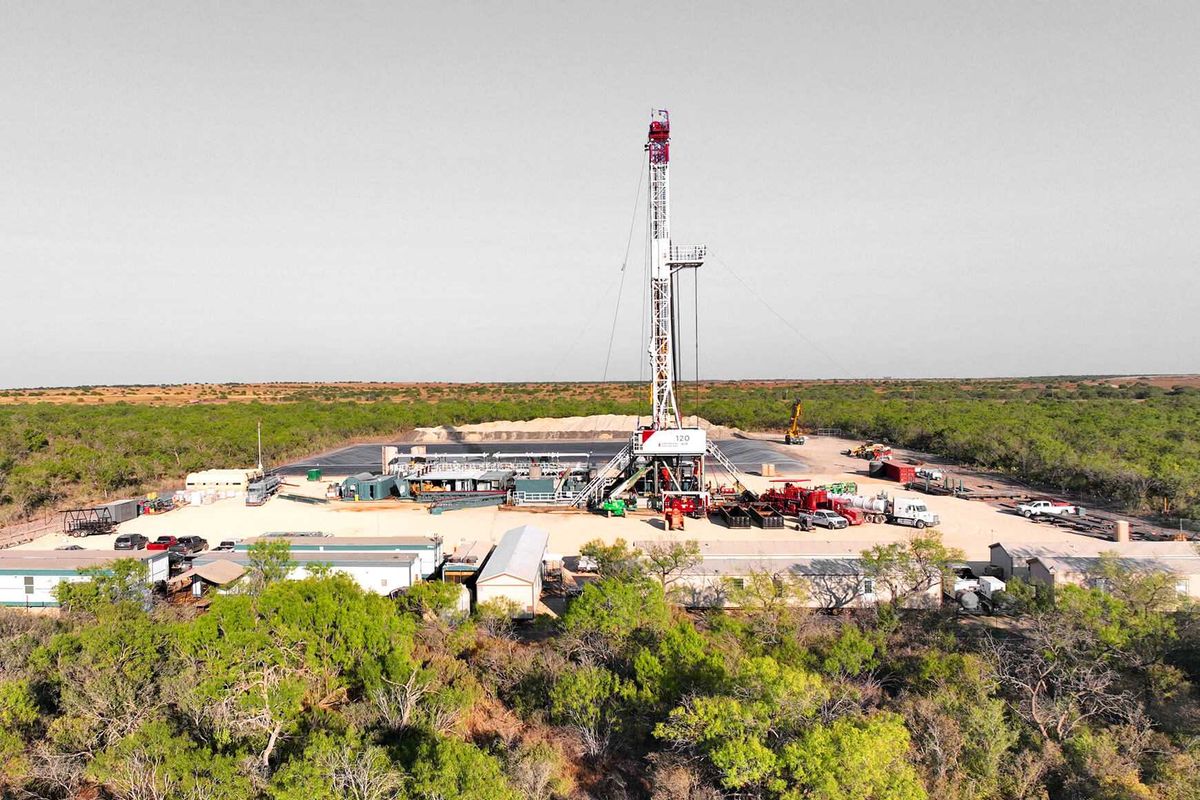
Chevron operates nine biodiesel plants around the world. Photo via Unsplash.

As Chevron Chairman and CEO Mike Wirth surveys the renewable energy landscape, he sees the most potential in biofuels.

At a recent WSJ CEO Council event, Wirth put a particular emphasis on biofuels—the most established form of renewable energy—among the mix of low-carbon energy sources. According to Biofuels International, Chevron operates nine biorefineries around the world.

Biofuels are made from fats and oils, such as canola oil, soybean oil and used cooking oil.

At Chevron’s renewable diesel plant in Geismar, Louisiana, a recent expansion boosted annual production by 278 percent — from 90 million gallons to 340 million gallons. To drive innovation in the low-carbon-fuels sector, Chevron opened a technology center this summer at its renewable energy campus in Ames, Iowa.

Across the board, Chevron has earmarked $8 billion to advance its low-carbon business by 2028.

In addition to biofuels, Chevron’s low-carbon strategy includes hydrogen, although Wirth said hydrogen “is proving to be very difficult” because “you’re fighting the laws of thermodynamics.”

Nonetheless, Chevron is heavily invested in the hydrogen market:

As for geothermal energy, Wirth said it shows “some real promise.” Chevron’s plans for this segment of the renewable energy industry include a 20-megawatt geothermal pilot project in Northern California, according to the California Community Choice Association. The project is part of an initiative that aims to eventually produce 600 megawatts of geothermal energy.

What about solar and wind power?

“We start with things where we have some reason to believe we can create shareholder value, where we’ve got skills and competency, so we didn’t go into wind or solar because we’re not a turbine manufacturer installing wind and solar,” he said in remarks reported by The Wall Street Journal.

In a September interview with The New York Times, Wirth touched on Chevron’s green energy capabilities.

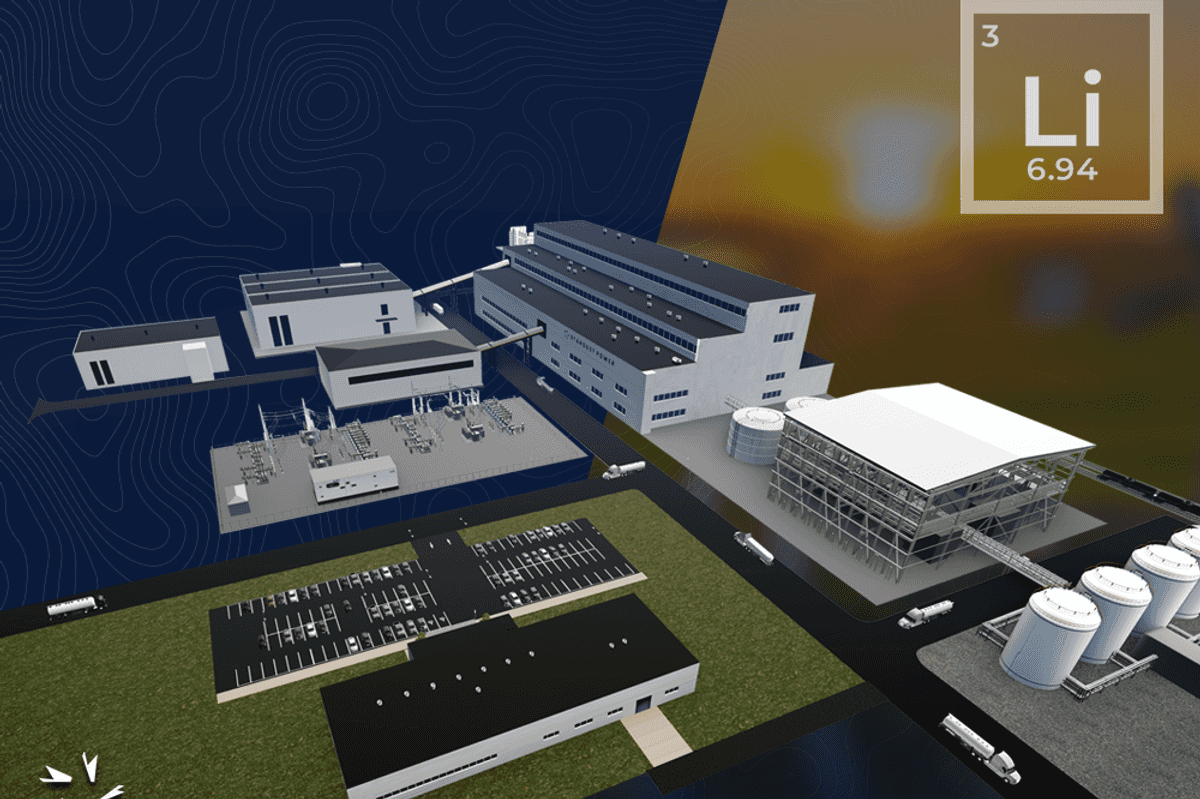
“We are investing in new technologies, like hydrogen, carbon capture and storage, lithium and renewable fuels,” Wirth said. “They are growing fast but off a very small base. We need to do things that meet demand as it exists and then evolve as demand evolves.”
Ad Placement 300x100
Ad Placement 300x600

CultureMap Emails are Awesome

Baker Hughes closes $13B acquisition of gas equipment maker Chart Industries

m&a activity

Houston-based energy technology company Baker Hughes has completed its $13.6 billion acquisition of Chart Industries, a provider of equipment and services for liquefying gases like LNG, hydrogen, nitrogen and oxygen.

Baker Hughes says the deal advances its “strategic vision” to be a leader in energy and industrial technology.

Jim Apostolides, who had previously served as chief infrastructure and performance officer at Baker Hughes, leads the Chart business in his new role as senior vice president. Chart President and CEO Jill Evanko left the company in January to become CEO of Duravant, which makes equipment for food processing, packaging and materials handling.

Publicly traded Chart reported $4.3 billion in revenue for fiscal year 2025. Its customers operate in sectors such as gas infrastructure, nuclear, data centers, carbon capture and storage, space, and geothermal energy.

“Chart’s thermal management solutions bring complementary capabilities and aftermarket service offerings that accelerate our portfolio strategy,” Lorenzo Simonelli, chairman and CEO of Baker Hughes, said in a news release. “Together, we will expand the solutions we deliver across a broader range of energy and industrial markets and create greater value for customers and shareholders.”

Chart will operate as a new financial reporting segment within Baker Hughes, reflecting what Baker Hughes says is the “scale and strategic importance of its differentiated capabilities in air and gas handling, thermal management, and lifecycle services.”

Baker Hughes announced the Chart deal last July.

“We know Chart well, having worked alongside them on many critical energy infrastructure projects,” Signorelli said last year. “Their products and services are highly complementary to our offerings and strongly aligned with our intent to deliver distinctive and efficient end-to-end lifecycle solutions for our customers across their most critical applications.”

Chart’s website lists offices in Houston, The Woodlands, and Austin, with corporate headquarters in Ball Ground, Georgia. It’s unclear what will happen to those offices.

KBR appoints C-suite duo to lead forthcoming spinoff

Making Moves

In advance of the spinoff of its Mission Technology Solutions unit, Houston-based KBR has made two C-suite hires for the new business.

Michael LaRouche is coming aboard as president and CEO of the spinoff, currently called SpinCo, on Sept. 26. Nicholas Veasey joined as executive vice president and chief financial officer earlier this month, on July 1.

“Michael and Nick bring a highly complementary combination of operational leadership, financial expertise, and mission-driven experience, and together they will accelerate our impact for stakeholders,” Stuart Bradie, chairman, president and CEO of publicly traded KBR, said in a news release.

LaRouche currently is CEO of Serco North America, a Herndon, Virginia-based government services contractor. Veasey most recently was CFO of MAG Aerospace, a Fairfax, Virginia-based defense contractor.

SpinCo, a government services contractor, will launch with more than $5.3 billion in annual revenue and 20,000 employees. KBR’s total headcount is around 36,000. Branding for SpinCo, including a formal name, will be revealed in July.

“SpinCo is positioned as a top-tier provider of differentiated technology solutions, anchored by deep mission expertise, global scale, and a relentless commitment to delivering for our customers,” LaRouche says.

After the spinoff, the slimmed-down KBR will focus on its Sustainable Technology Solutions business, a provider of energy and industrial technology that generated $2.5 billion in revenue in 2025 and is designed to reduce carbon emissions and support energy transition efforts. Bradie will remain chairman, president and CEO of the business.

Both SpinCo and the new KBR will be public companies. The spinoff is scheduled to be completed in January 2027.

---

This article first appeared on InnovationMap.com.

Houston PE firm makes latest nuclear industry acquisition

nuclear deal

Houston-based private equity firm Pelican Energy Partners has acquired California-based Veridiam for an undisclosed amount in an effort to further increase the firm’s focus on the nuclear energy sector.

Veridiam is a strategic manufacturer that specializes in the precision fabrication of components and assemblies made from exotic metals or advanced alloys for the nuclear, aerospace, defense, space and medical fields.

Following the acquisition, Veridiam will continue to operate under its existing name and will led by its current management team, including CEO Brian Joyal.

“Joining the Pelican platform accelerates our strategic trajectory," Joyal said in a news release. "With Pelican's support, we will accelerate the modernization and expansion of our manufacturing capabilities to meet unprecedented demand across the nuclear, aerospace, defense, and medical sectors. This partnership also enables us to expand our portfolio of mission-critical products and engineered solutions while maintaining the uncompromising quality, precision, and reliability standards that have defined Veridiam for more than 60 years."

Since 2011, Pelican has raised over $1 billion in committed capital and has realized over 15 investments. Currently, Pelican is investing from its fourth fund, which aims to support and advance companies that provide critical services and products to the nuclear power industry.

In 2024, Pelican raised a $450 million fund to invest in nuclear energy services and equipment companies.

The Veridiam deal comes after Pelican has completed several nuclear acquisitions. The PE firm acquired New Hampshire-based Environmental Alternatives Inc., which provides nuclear decontamination services, in April; it acquired Georgia-based WSI Welding Solution in December, which services the nuclear sector.

"Veridiam sits at the center of our investment thesis and reflects the kind of deal Pelican does best," Mike Scott, managing partner and founder of Pelican Energy Partners, added in the news release. "With the right capital and operating support, we see a clear opportunity to strengthen the business, invest in its capabilities, and create long-term value for customers and shareholders."