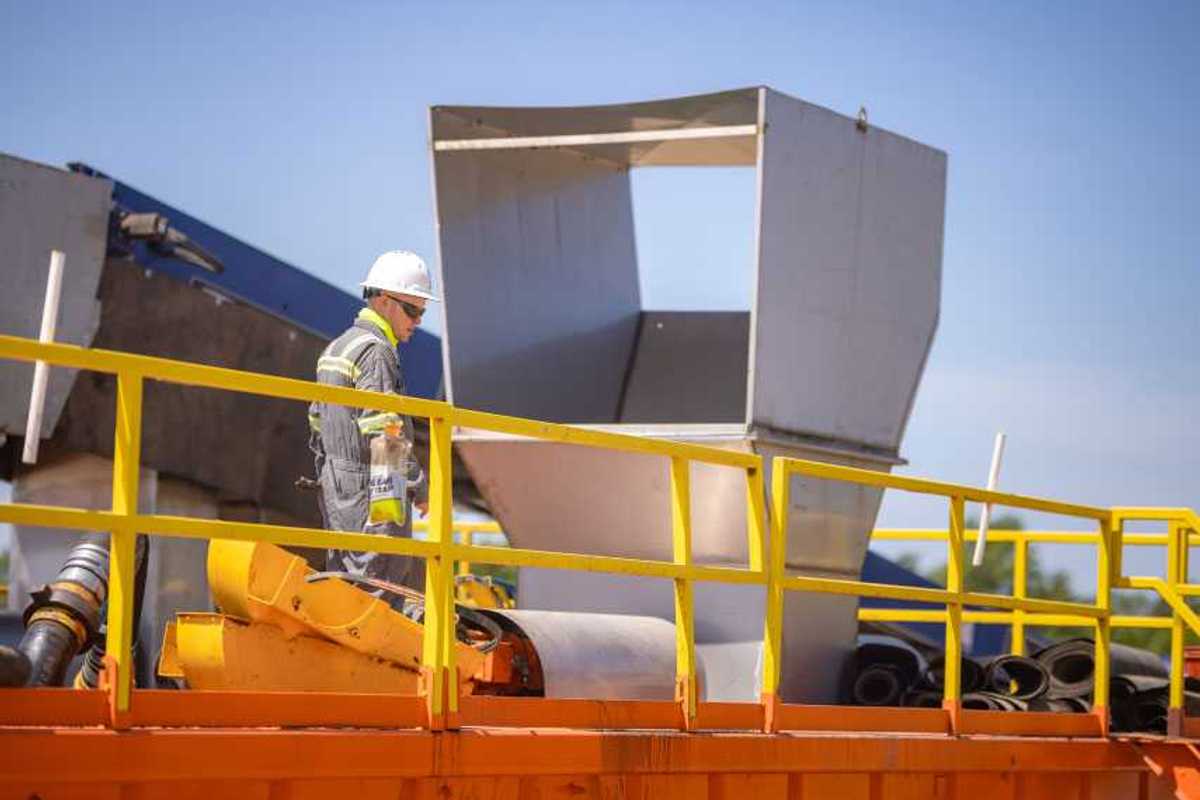
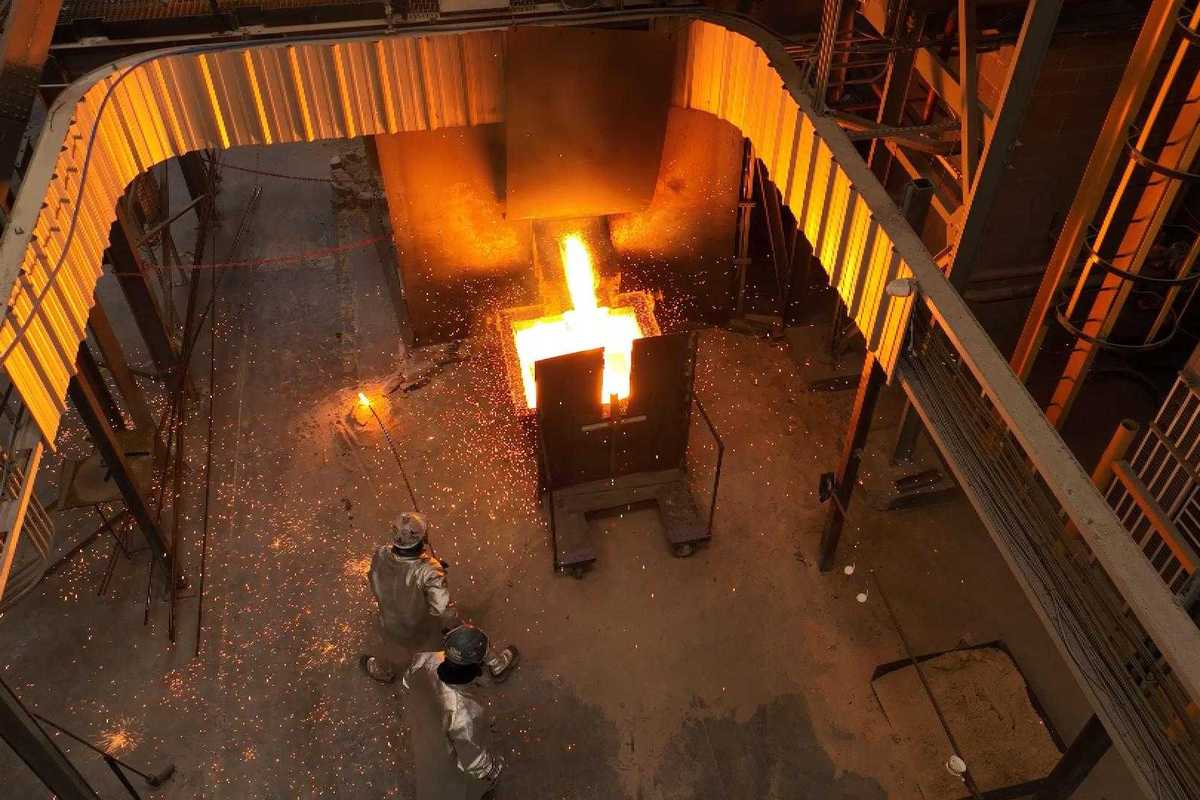
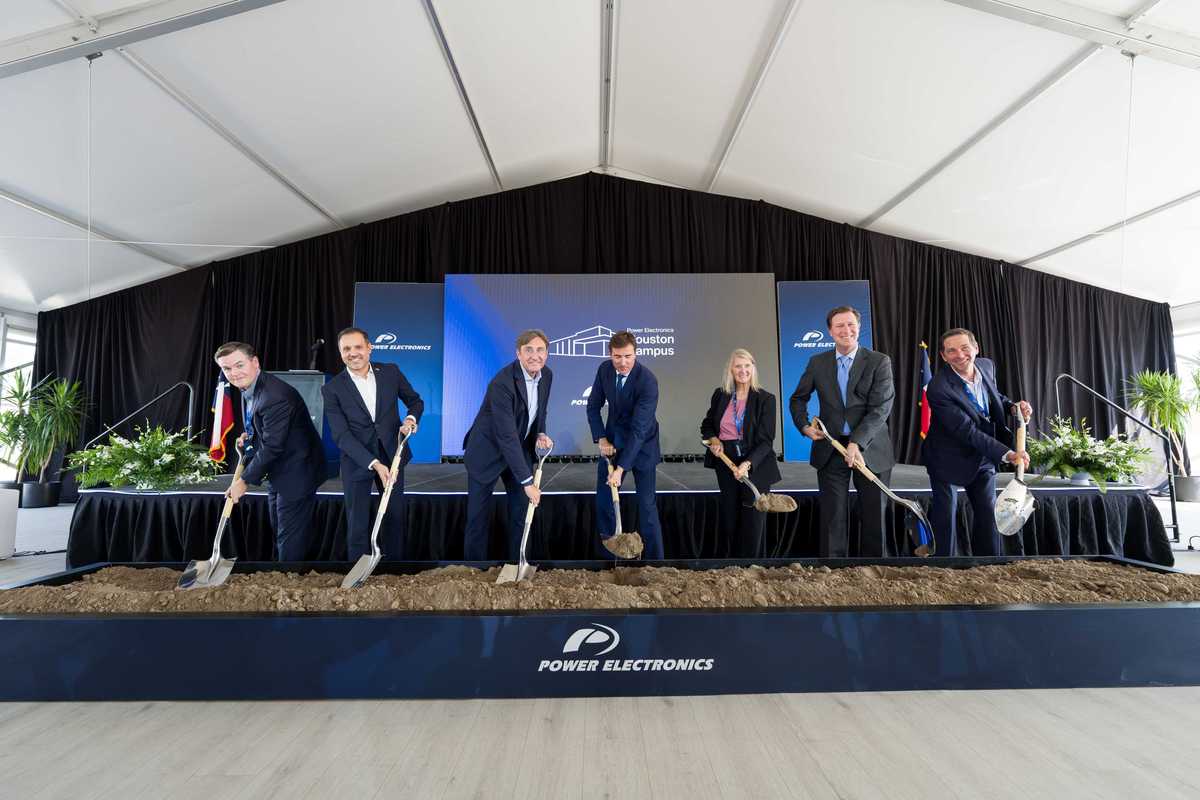
CenterPoint Energy aims to complete its suite of grid resiliency projects before the 2025 hurricane season. Photo via centerpointenergy.com

As part of an ongoing process to make Houston better prepared for climate disasters, CenterPoint Energy announced its latest progress update on the second phase of the Greater Houston Resiliency Initiative (GHRI).

CenterPoint reported that it has completed 70 percent of its resiliency work and all GHRI-related actions are expected to be complete before the official start of the 2025 hurricane season.

"Our entire CenterPoint Houston Electric team is focused on completing this historic suite of grid resiliency actions before the start of hurricane season,” Darin Carroll, Senior Vice President of CenterPoint's Electric Business, said in a news release. “That is our goal, and we will achieve it. To date, we have made significant progress as part of this historic effort.”

CenterPoint’s resiliency solutions include clearing higher-risk vegetation across thousands of miles of power lines, adding thousands more automation devices capable of self-healing, installing thousands of storm-resistant poles, and undergrounding hundreds of miles of power lines.

CenterPoint's GHRI efforts, which entered a second phase in September 2024, aim to improve overall grid resiliency and reliability and are estimated to reduce outages for customers by more than 125 million minutes annually, according to the company. It has undergrounded nearly 350 miles of power lines, about 85 percent of the way toward its target of 400 miles, which will help improve resiliency and reduce the risk of outages. CenterPoint also aims to install the first of 100 new local weather monitoring stations by June 1.

In March, CenterPoint cleared 655 miles of high-risk vegetation near power lines, installed 1,215 automated reliability devices capable of self-healing, and added an additional 3,300 storm-resilient poles.

In April, CenterPoint will begin building a network of 100 new weather monitoring stations, which will provide 24/7 weather monitoring and storm response preparation.

“We will continue to work every day to complete these critical improvements as part of our company's goal of building the most resilient coastal grid in the country,” Carroll added in the release.

Ad Placement 300x100
Ad Placement 300x600

CultureMap Emails are Awesome

Baker Hughes teams up with Oklahoma co. to advance geothermal development

geothermal partnership

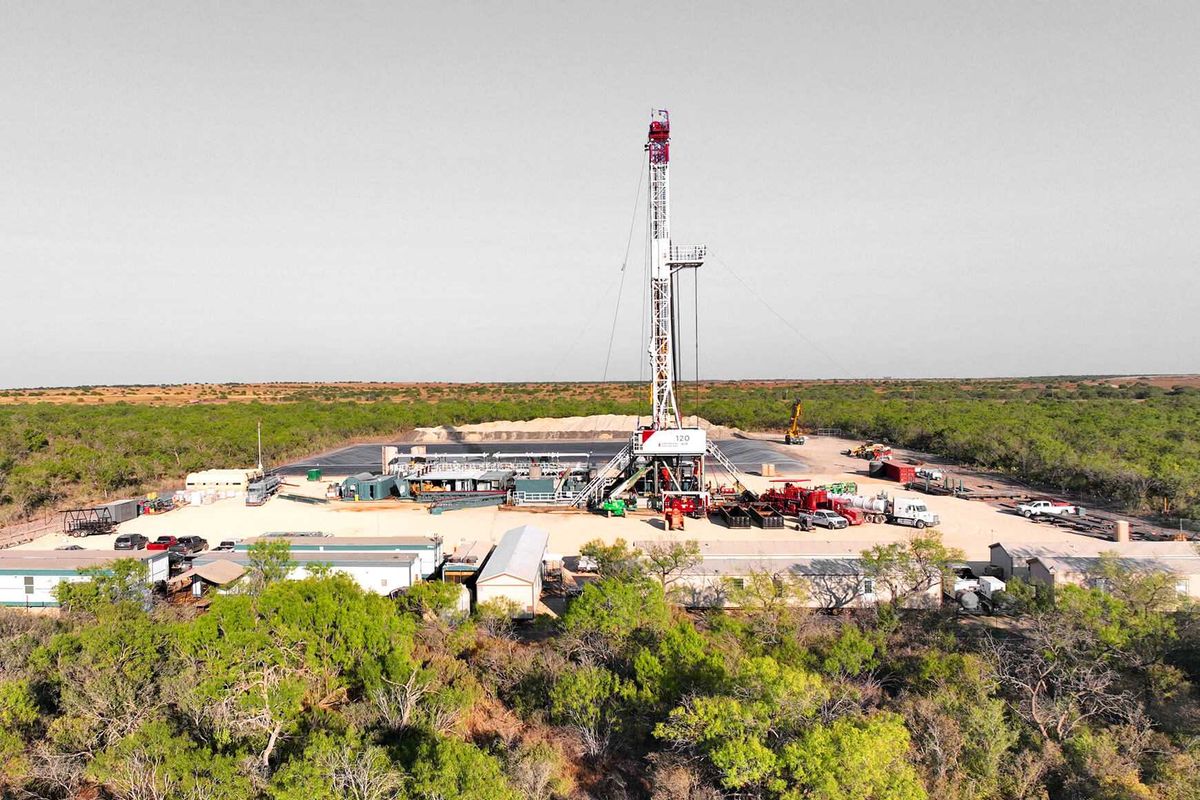
In recent months, Houston-based energy corporation Baker Hughes has launched multiple partnerships to expand geothermal energy extraction across the United States. The latest, a deal with Oklahoma-based Helmerich & Payne Inc. (H&P), was announced Wednesday.

As part of the deal, H&P will provide a geothermal-capable land drilling rig, while Baker Hughes will contribute technology and expertise. The rig is expected to be deployed later this year, according to a news release.

“Geothermal energy plays a critical role in meeting growing power demand by providing clean, reliable baseload generation,” Amerino Gatti, executive vice president of oilfield services & equipment for Baker Hughes, said in the release. “This collaboration reflects a deliberate step to move its development in the U.S. from concept to reality. By working together, Baker Hughes and Helmerich & Payne are helping customers advance these critical energy projects with greater confidence and deliver reliable, sustainable power.”

Investment in the geothermal energy sector is currently exploding in the U.S., having grown by at least 1,000 percent just in the last seven years, according to a recent report by Rocky Mountain Institute.

On one hand, only about 1 percent of the American energy grid currently uses geothermal, but on the other, the U.S. holds roughly 25 percent of the world’s geothermal capacity. Harnessing that power becomes even more attractive as conflicts in Russia and Iran continue to hamstring energy markets from those countries and revitalize interest in renewable energy.

Baker Hughes has been at the forefront of the geothermal boom. This new deal with H&P combines H&P’s drilling platform technology with Baker Hughes’s subsurface and energy extraction support technologies.

“This agreement underscores Helmerich & Payne’s commitment to supporting emerging energy opportunities through our drilling technologies and operational expertise,” H&P President and CEO Trey Adams added in the release. “We are pleased to collaborate with Baker Hughes to support the advancement of geothermal development in the United States.”

The deal with H&P is just one of several recent ones Baker Hughes has closed. In March, they announced support for XGS’s geothermal extraction projects in New Mexico, which are being used to meet the increasing demands of data centers in the state. Last May, Fervo Energy selected Baker Hughes to supply equipment for its flagship geothermal project in Utah.

Houston renewables developer signs agreement with Meta for new solar project

power deal

Houston-based EDP Renewables North America has signed a long-term power purchase agreement with Meta, the parent company of Facebook and Instagram, for its forthcoming Cypress Knee Solar project.

The 250‑megawatt solar project will be built in Arkansas and is expected to come online by 2028, according to a news release from EDPR. The company says the project will generate approximately $25 million in new revenue for Chicot County once operational.

“Cypress Knee Solar and our broader portfolio of projects with Meta are helping power a reliable, modern U.S. electric grid—the backbone of American innovation and long-term economic growth,” Sandhya Ganapathy, CEO of EDPR NA, said in the release. “These investments strengthen local communities, create durable economic value, and ensure that progress is built on a resilient, sustainable foundation.

This is Meta's third power purchase agreement with EDPR. The tech giant is now contracted to a renewable capacity of 545 megawatts with EDPR. Meta and EDPR also collaborated on the 200-megawatt Brittlebush Solar Park to support Meta's data center in Mesa, Arizona.

“Through our partnership with EDPR, Cypress Knee Solar will bring new generation to the Arkansas grid, creating local jobs and delivering economic benefits to the community. We’re proud to expand our collaboration with EDPR,” Amanda Yang, head of clean and renewable energy at Meta, added in the release.

EDPR operates 61 wind farms, 29 solar parks and four energy storage sites across North America. Its other customers include other tech companies like Amazon and Microsoft.

Buoyed by $1.3B sales backlog, microgrid company ERock files for IPO

eyeing ipo

Another energy company in Houston is going public amid a flurry of energy IPOs.

Houston-based ERock Inc., which specializes in utility-grade onsite microgrid systems for data centers and other customers, has filed paperwork with the U.S. Securities and Exchange Commission (SEC) to sell its shares on the New York Stock Exchange.

The ERock filing follows the recent $1.9 billion IPO of Houston-based Fervo Energy, a provider of geothermal power that’s now valued at $7.7 billion.

Another Houston energy company, EagleRock Land, just went public in a $320 million IPO that values the company at $3 billion. EagleRock owns or controls about 236,000 acres in the Permian Basin, earning money from royalties, fees, easements, water services and other revenue streams tied to drilling on its land.

According to Barron’s, more than a dozen energy and energy-related companies in the U.S. have gone public since the beginning of 2025, with the bulk of the IPOs happening this year.

ERock’s SEC filing doesn’t identify the per-share pricing range for the IPO or the number of Class A shares to be offered. ERock is a portfolio company of Energy Impact Partners, a New York City-based venture capital and private equity firm that invests in energy companies.

The company previously did business as Enchanted Rock. ERock Inc., formed in January, will function as a holding company that controls predecessor company ER Holdings Ltd.

In 2025, ERock generated revenue of $183.1 million, up 42.5 percent from the previous year, according to the IPO filing. It recorded a net loss of $59 million last year.

As of March 31, ERock boasted a sales backlog of nearly $1.3 billion, up 779 percent on a year-over-year basis. The company attributes most of that increase to greater demand from data centers.

The company primarily serves the power needs of data centers, utilities, industrial facilities, and commercial buildings. Its biggest markets are Texas and California.

“Several U.S. markets, such as Texas and California, face especially acute reliability risks,” ERock says in the SEC filing. “Texas already shows rapid load-growth pressures tied to data centers and industrial expansion, while California faces grid congestion, long interconnection queues, and above-average vulnerability to extreme heat- and weather-driven outages.”

Since its founding in 2018, ERock has installed microgrid systems at more than 400 sites with a capacity of about 1,000 megawatts. Customers include ComEd, Foxconn, H-E-B, Microsoft and Walmart.

By the end of this year, the company plans to expand its production of microgrid systems to a capacity of about 1.2 gigawatts with the opening of its Hyperion facility in Houston.

John Carrington leads ERock as CEO. He joined ER Holdings last year as chairman and CEO. Carrington previously was CEO of Houston-based Stem, a public company that offers AI-enabled clean energy software and services. Earlier, he spent 16 years at General Electric.