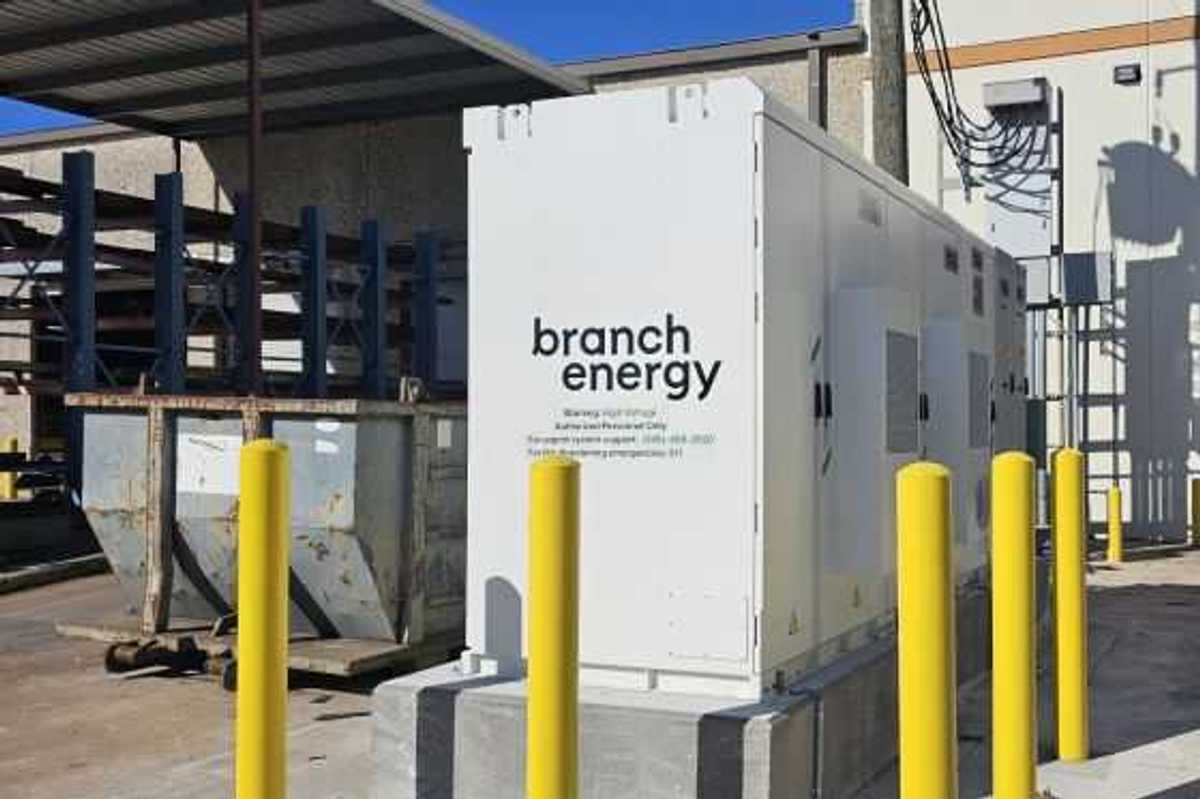
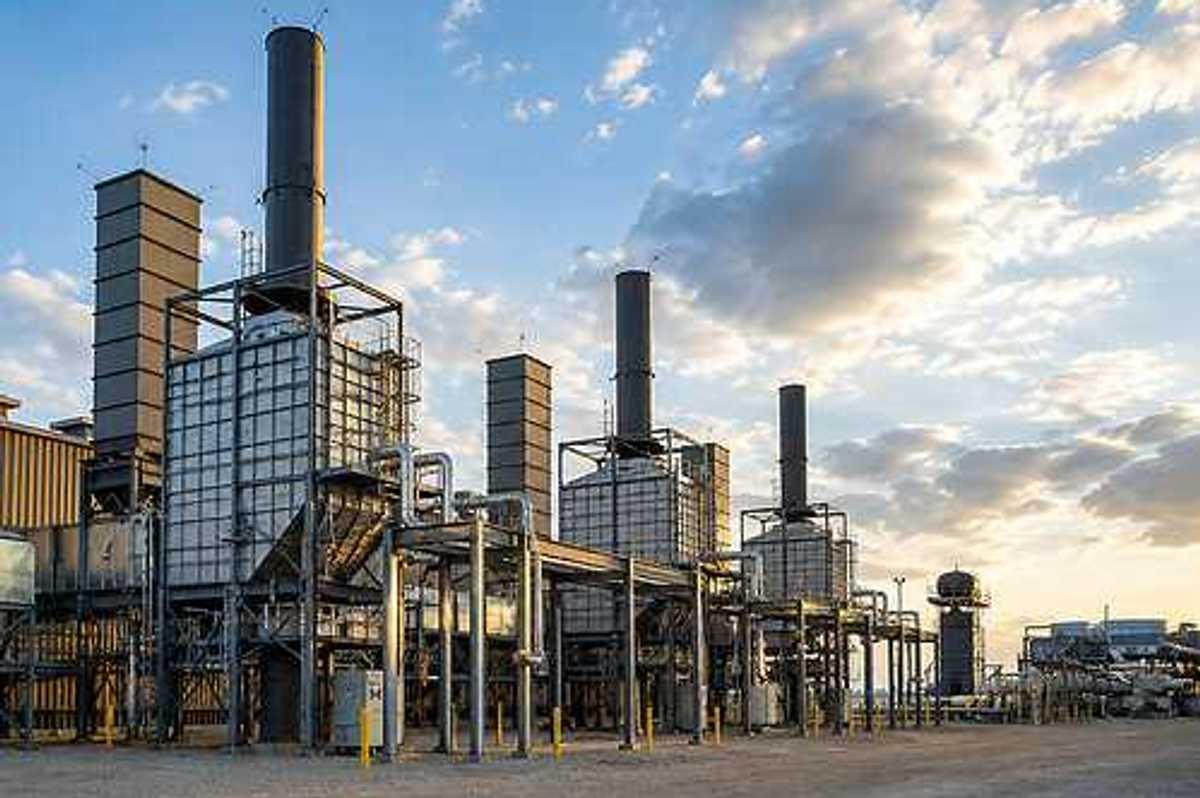
Devon Energy will buy Houston-based Coterra Energy. Photo via Coterra Energy

Oklahoma City, Oklahoma-based Devon Energy has agreed to buy Houston-based Coterra Energy in a $21.5 billion all-stock deal, forming an energy powerhouse that will be headquartered in Houston. The combined company, boasting an enterprise value of $58 billion, will adopt the Devon brand name.

Revenue for the two publicly traded companies totaled nearly $18.8 billion in the first nine months of 2025. Devon is a Fortune 500 company, but Coterra doesn’t appear in the most recent ranking.

The deal, already approved by the boards of both companies, is expected to close in the second quarter of 2026. Once the transaction is completed, Devon shareholders will own about 54 percent of the combined company and Coterra shareholders will own 46 percent.

“This transformative merger combines two companies with proud histories and cultures of operational excellence, creating a premier shale operator,” says Clay Gaspar, Devon’s president and CEO.

The combined company will be one of the world’s largest shale producers, with third-quarter 2025 production exceeding 550 thousand barrels of oil per day and 4.3 billion cubic feet of gas per day. A significant presence in the Delaware Basin, encompassing hundreds of thousands of acres, will anchor the company’s operations. The 10,000-square-mile Delaware Basin is in West Texas and southeastern New Mexico.

The new Devon also will operate in the Permian Basin, located in West Texas and New Mexico; Marcellus Shale, located in five states in the East; and Anadarko Basin, located in the Texas Panhandle, Colorado, Kansas, and Oklahoma.

Gaspar will be president and CEO of the combined company, and Tom Jorden, chairman, president, and CEO of Coterra, will be non-executive chairman.

Ad Placement 300x100
Ad Placement 300x600

CultureMap Emails are Awesome

Houston-based ENGIE wins national award for clean energy leadership

top honor

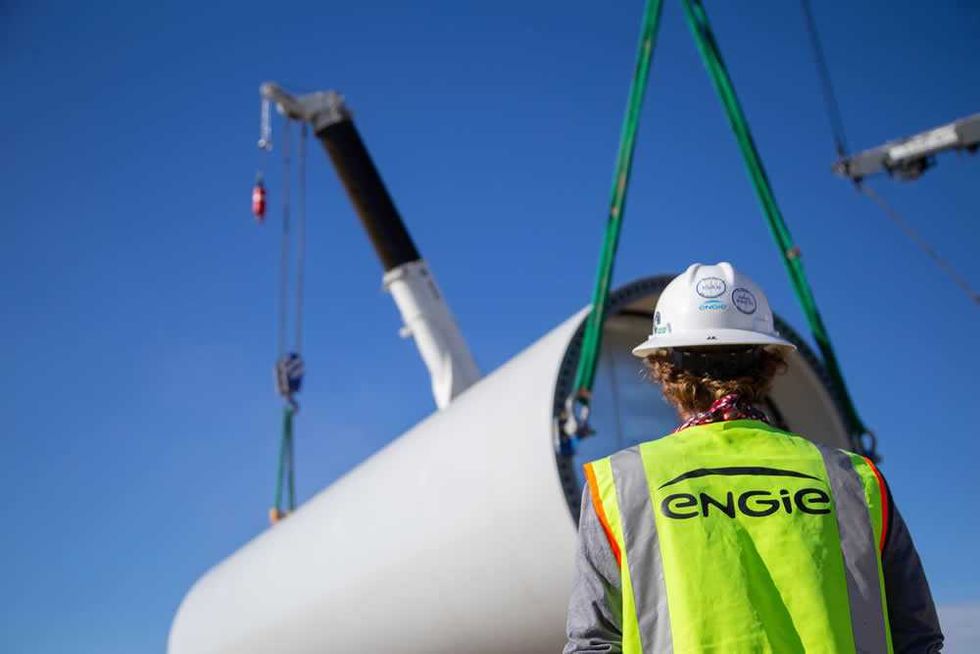
Houston-based ENGIE has been recognized for its work in the clean energy space.

The battery storage and energy infrastructure company recently won the 2026 Green Power Leadership Award in the Market Innovation category for its work advancing 24/7 renewable energy solutions. The awards honor individuals and companies advancing sustainability and renewables in the energy industry through innovation and leadership.

The Center for Resource Solutions (CRS), a San Francisco-based environmental nonprofit, grants the awards each year during the Renewable Energy Markets conference. Past recipients include companies like Microsoft, Salesforce and Google. Other award categories include Education & Awareness, Impactful Procurement and Leader of the Year.

"This recognition reflects ENGIE's commitment to developing innovative solutions that give customers greater transparency, accountability and confidence in their sustainability strategies," Anne-Laure Chassanite, interim CEO of ENGIE North America and CEO of ENGIE Resources, said in a news release.

Specifically, the honor recognizes ENGIE's Energy+ 24/7 solution, which helps customers better understand the impact of their energy consumption while also pushing sustainability efforts. ENGIE assists organizations and the public in gaining insight into renewable energy and hourly electricity consumption to see where clean energy is being utilized most effectively.

"As the market continues to evolve, we believe the future of renewable energy procurement lies in helping organizations better understand the impact of their electricity consumption and make more informed energy decisions,” Chassanite added in the release.” Our 24/7 offering is helping establish a new standard by combining innovation with practical, scalable solutions that support meaningful progress toward sustainability goals."

ENGIE's US Energy+ team was also recognized for its customer-focused renewable energy solutions.

"This achievement is the result of the dedication and innovation of teams across ENGIE who are continually challenging what's possible in the energy transition," Chassanite also said in the release.

In June, ENGIE’s 24/7 signed an agreement with Aker BioMarine to supply Texas-sourced clean energy to the Norwegian company's Houston manufacturing site.

ExxonMobil secures approval for $5B East Texas carbon capture project

ccs expansion

Spring-based ExxonMobil has won approval from the Texas Railroad Commission for a $5 billion carbon capture and storage project in East Texas.

Dominic Genetti, senior vice president of CCS at ExxonMobil, told The Financial Times, which broke the news, that the Railroad Commission’s action is a “major milestone” that lets the company keep expanding along the Gulf Coast. In a 2-1 vote, commissioners authorized a carbon sequestration permit for the project.

“The Railroad Commission clearly recognizes the important role carbon capture and storage can play in meeting growing global demand for lower-carbon products while supporting new jobs and economic growth,” Genetti said.

The U.S. Environmental Protection Agency (EPA) approved ExxonMobil’s Rose CCS project last year.

The project will enable the company to inject about 53 metric tons of industrial customers’ carbon emissions into three underground wells it drilled in the Beaumont-Port Arthur area. Over a 13-year period, ExxonMobil plans to inject about 4 million metric tons per year into the Fleming and Upper Frio rock formations, according to Carbon Herald.

ExxonMobil says it owns the world’s first and largest CCS system, comprising 1,300 miles of CO2 pipeline and secure storage sites. Seventy percent of the pipelines are along the Gulf Coast.

The company ramped up its CCS business in 2023 with the $4.9 billion purchase of Denbury, which owned about 1,000 miles of CO2 pipelines.

“Our expertise, combined with Denbury’s talent and CO2 pipeline network, expands our low-carbon leadership and best positions us to meet the decarbonization needs of industrial customers while also reducing emissions in our own operations,” ExxonMobil Chairman and CEO Darren Woods said when the deal closed.

In January, Genetti wrote in a post on ExxonMobil’s website that the company is committed to CCS “for the long haul.”

“CCS is not new technology, but it’s flown relatively under the radar compared with the attention that production of hydrocarbons commands,” he wrote. “Now, as the world becomes more aware of the need to reduce emissions, CCS finally has a brighter spotlight and a broader runway to scale up.”

The company also announced this week that it has begun CCS operations at a direct reduced iron facility in Convent, Louisiana. The project will capture, transport and store up to 800,000 metric tons of CO2 per year, according to the company.