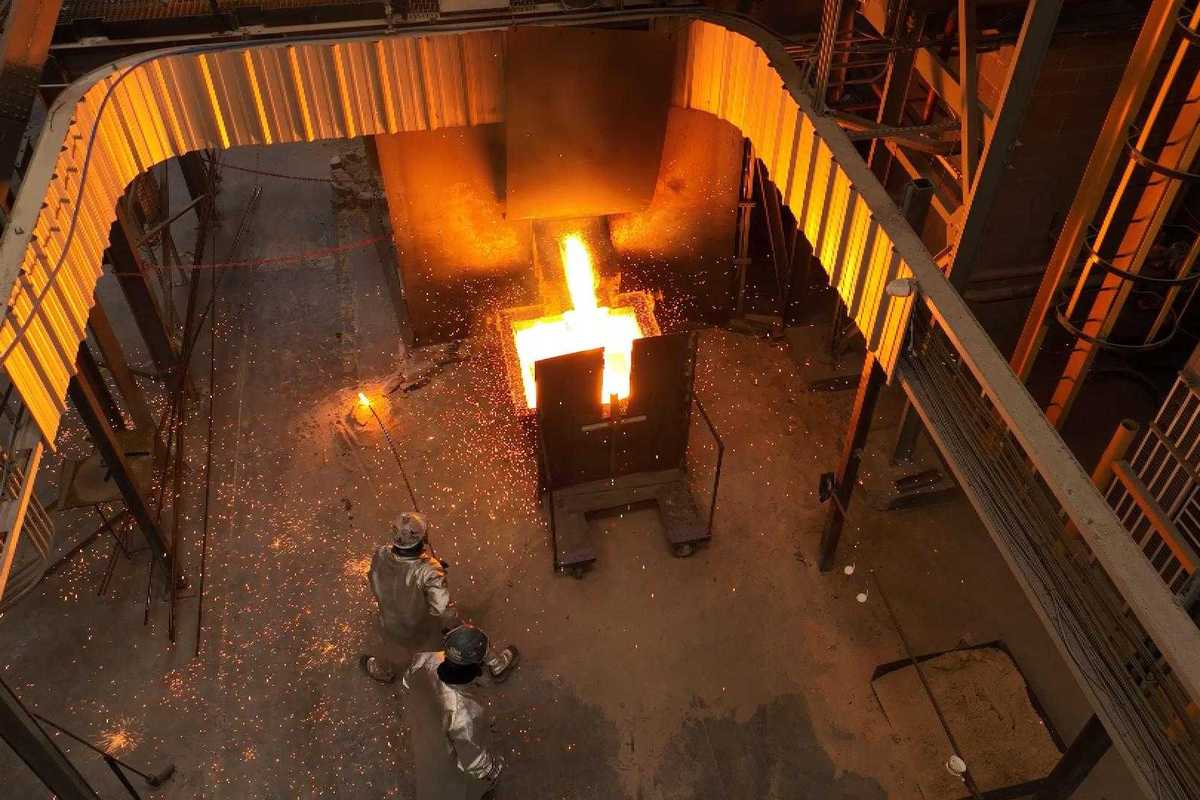
Texas ranked in the bottom half on WalletHub's list of the most energy-efficient states. Photo via unsplash.

Texas has room to improve when it comes to energy efficiency, recent data from WalletHub shows.

The personal finance website ranked Texas at No. 35 on the latest Most & Least Energy-Efficient States list. Texas improved by one spot on the 2025 report, after coming in at No. 36 last year.

The report measured and ranked the efficiency of auto energy and home energy consumption in the 48 U.S. mainland states based on data from the U.S. Census Bureau, National Climatic Data Center, U.S. Energy Information Administration and the U.S. Department of Transportation – Federal Highway Administration.

Texas earned an overall score of 50.60. It was ranked No. 27 for home energy efficiency and No. 41 for auto efficiency. By comparison, No. 1-ranked Vermont earned a score of 85.30, ranking No. 2 for home energy and No. 6 for out energy.

The top five overall states included:

  • No. 1 Vermont
  • No. 2 California
  • No. 3 Washington
  • No. 4 New York
  • No. 5 Massachusetts

South Dakota earned the top rank for home energy efficiency, and Massachusetts earned the top rank for energy efficiency.

“Energy efficiency doesn’t just help save the planet – it also helps save you money by lowering the amount of electricity, gas, oil or other types of energy you need to consume. While there are some steps you can take to become more energy-efficient on your own, living in the right area can give you a big boost," WalletHub analyst Chip Lupo said in the report. "For example, certain states have much better public transportation systems that minimize your need to drive, at least in big cities. Some places also have better-constructed buildings that retain heat better during the winter or stay cooler during the summer.”

According to the report, some progress is being made in increasing energy efficiency across the country. The U.S. Energy Information Administration expects 26 percent of electricity generation in 2026 will come from renewables. A number of them are being developed in the Houston area, including recent announcements like the Pleasure Island Power Collective in Port Arthur.

Still, Houston earned an abysmal ranking on WalletHub's greenest cities in the U.S. report earlier this year, coming in at No. 99 out of 100. Read more here.

Ad Placement 300x100
Ad Placement 300x600

CultureMap Emails are Awesome

Houston AI energy forecasting company lands investment from Samsung Ventures

funding for forecasts

Amperon, a Houston-based AI-powered forecasting solutions company, has received an investment for an undisclosed amount from Samsung Ventures, the corporate venture arm of Samsung Group.

According to Amperon, the funding will be put toward the company's global growth and next-generation product development. Samsung Ventures invests in emerging businesses developing technologies for the AI, advanced devices and energy-related sectors.

“Samsung Ventures’ investment is a strong validation of our mission to transform the way energy is forecasted and traded,” Sean Kelly, CEO and co-founder of Amperon, said in a news release. “Samsung’s global footprint and leadership in semiconductors, data infrastructure, and AI acceleration make them a natural fit as we expand Amperon’s reach into energy-intensive sectors like data centers. Their track record of scaling next-generation technologies aligns perfectly with our vision to build a more intelligent, resilient, and data-driven energy system.”

Amperon was founded in 2018. Its AI models combine real-time weather, consumption and market data for energy retailers, utilities and independent power producers.

Last year, the company launched its weather-informed grid demand Mid-Term Forecast (MTF), which provides users with data on electricity demand up to seven months in advance. It also secured strategic investments from Acario, the corporate venture capital and innovation division of Tokyo Gas, as well as National Grid Partners, the venture investment and innovation arm of National Grid (NYSE: NGG).

After expanding into Europe in 2024, the company has continued to see international growth, and currently operates in the U.S., Canada, Mexico, Australia, Europe and the Middle East.

“Amperon has demonstrated strong technical capabilities and global traction in a rapidly evolving energy landscape,” a spokesperson for Samsung Ventures added in the release. “Their ability to forecast and model real-time energy data at global scale positions them as a key enabler of smarter energy systems and climate resilience. We are pleased to invest in a company developing technologies that support a more sustainable and digitized world.”

Solar surpasses coal to become ERCOT’s third-largest power source in 2025

by the numbers

Solar barely eclipsed coal to become the third biggest source of energy generated for the Electric Reliability Council of Texas (ERCOT) in 2025, according to new data.

In 2024, solar represented 10 percent of energy supplied to the ERCOT electric grid. Last year, that number climbed to 14 percent. During the same period, coal’s share remained at 13 percent.

From the largest to smallest share, here’s the breakdown of other ERCOT energy sources in 2025 compared with 2024:

  • Combined-cycle gas: 33 percent, down from 35 percent in 2024
  • Wind: 23 percent, down from 24 percent in 2024
  • Natural gas: 8 percent, down from 9 percent in 2024
  • Nuclear: 8 percent, unchanged from 2024
  • Other sources: 1 percent, unchanged from 2024

Combined, solar and wind accounted for 37 percent of ERCOT energy sources.

Looking ahead, solar promises to reign as the star of the ERCOT show:

  • An ERCOT report released in December 2024 said solar is on track to continue outpacing other energy sources in terms of growth of installed generating capacity, followed by battery energy storage.
  • In December, ERCOT reported that more than 11,100 megawatts of new generating capacity had been added to its grid since the previous winter. One megawatt of electricity serves about 250 homes in peak-demand periods. Battery energy storage made up 47 percent of the new capacity, with solar in second place at 40 percent.

The mix of ERCOT’s energy is critical to Texas’ growing need for electricity, as ERCOT manages about 90 percent of the electric load for the state, including the Houston metro area. Data centers, AI and population growth are driving heightened demand for electricity.

In the first nine months of 2025, Texas added a nation-leading 7.4 gigawatts of solar capacity, according to a report from data and analytics firm Wood Mackenzie and the Solar Energy Industries Association.

“Remarkable growth in Texas, Indiana, Utah and other states ... shows just how decisively the market is moving toward solar,” says Abigail Ross Hopper, president and CEO of the solar association.