Amperon, Hertha Metals and Vaulted Deep were named to this year's Global Cleantech 100 list. Photo via Getty Images

Three Houston-area companies—Amperon, Hertha Metals and Vaulted Deep—appear on this year’s Global Cleantech 100 list.

The unranked list, generated by market intelligence and advisory firm Cleantech Group, identifies the 100 privately held companies around the world that are most likely to make a significant impact in the cleantech market over the next five to 10 years.

For the 2026 list, Cleantech Group received more than 24,000 Global Cleantech 100 nominations from nearly 60 countries. Cleantech Group scored those companies and narrowed the contenders to 264. An expert panel reviewed those nominees, and the list was whittled down to the 100 winners.

Here’s a rundown of the three Houston-area honorees:

Amperon

Founded in 2018 by Sean Kelly and Abe Stanway, Houston-based Amperon offers an AI-enabled energy forecasting and analytics platform designed to help stabilize electric grids. Amperon received undisclosed amounts of venture capital from National Grid Partners and Tokyo Gas Co. Ltd. last year and announced a recent investment from Samsung Ventures earlier this month.

Hertha Metals

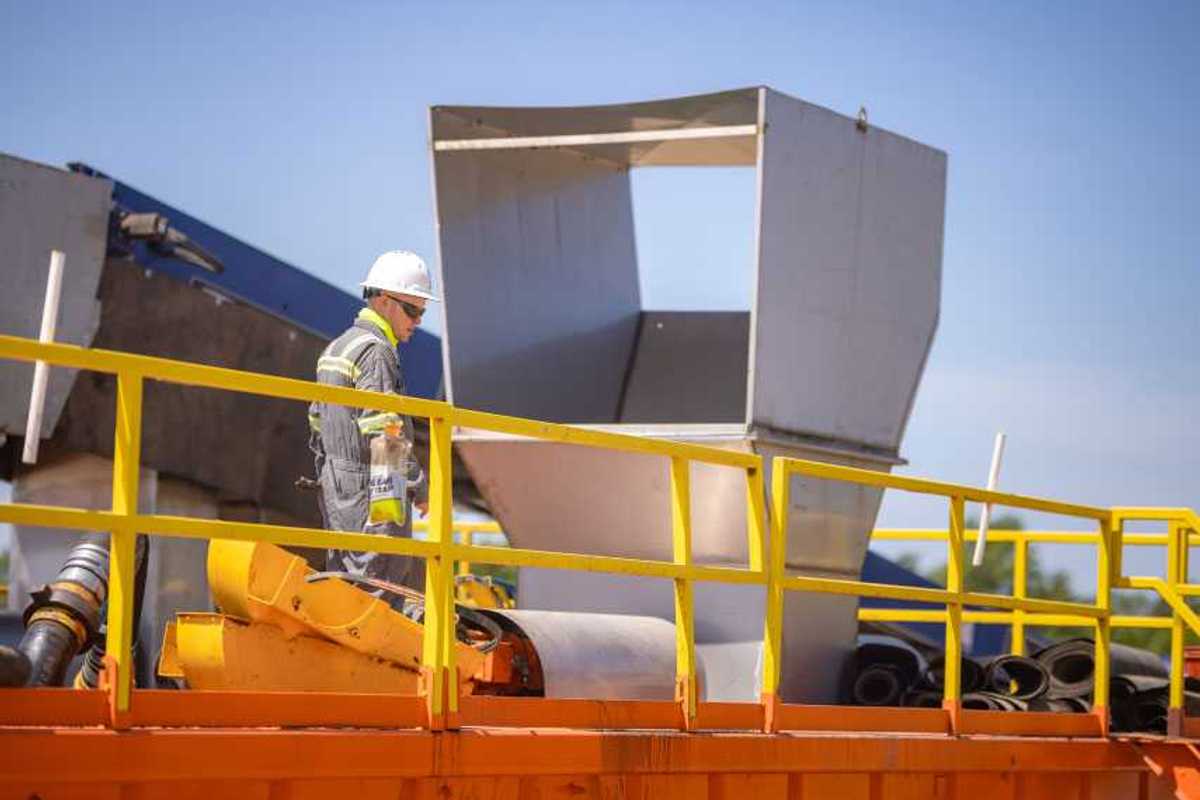
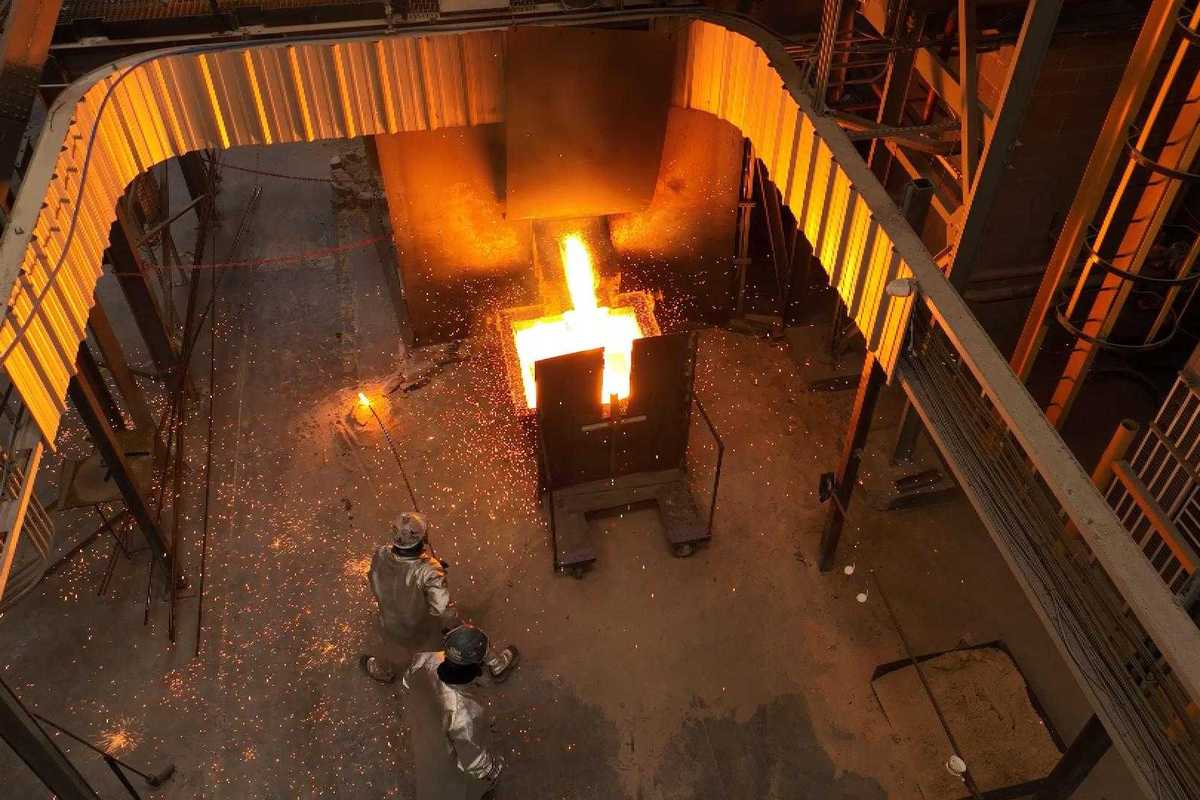
Founded in 2022 by Laureen Meroueh, Conroe-based Hertha Metals provides a single-step process for producing sustainable steel. Last year, the company emerged from stealth mode and raised more than $17 million in venture capital.

Vaulted Deep

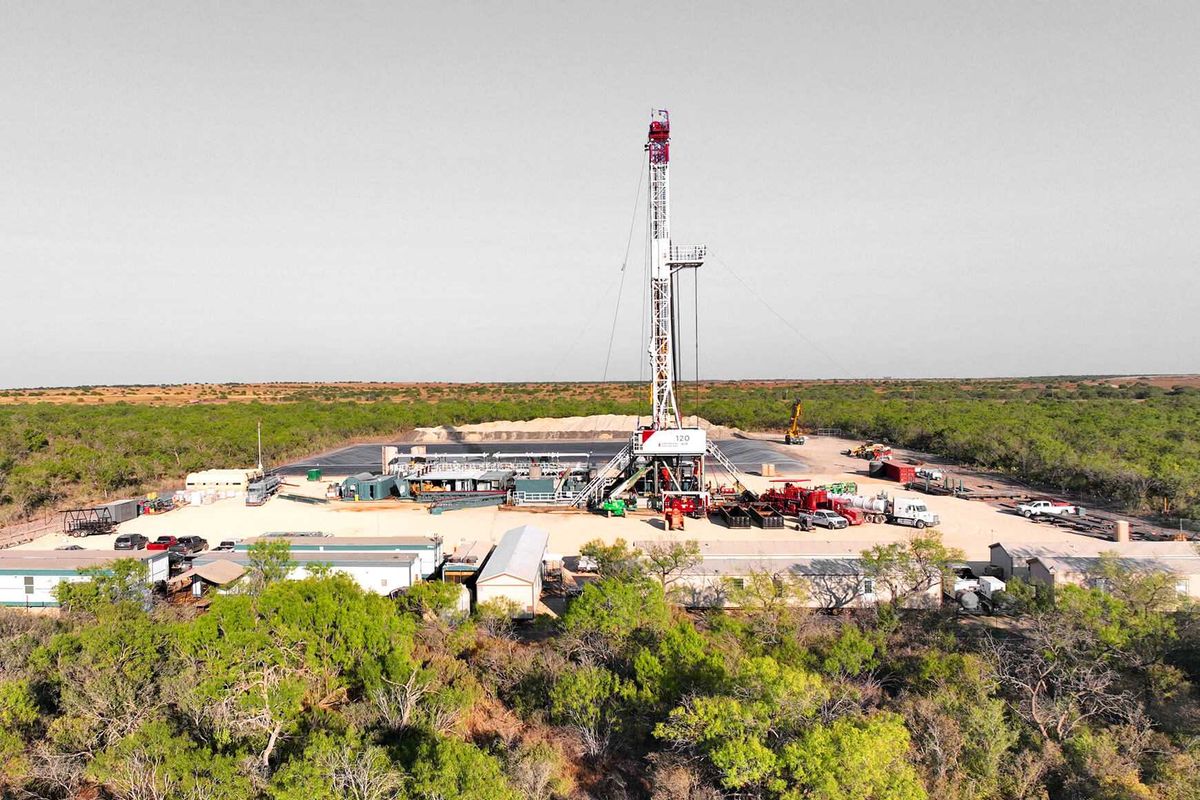
Vaulted Deep’s technology injects excess organic waste underground to remove carbon dioxide from the atmosphere. Julia Reichelstein and Omar Abou-Sayed founded the Houston-based company in 2023. Last year, the startup raised $32.3 million in venture capital. Also in 2025, Vaulted Deep signed a 12-year deal with software giant Microsoft to remove up to 4.9 million metric tons of carbon dioxide from the environment.

Vaulted Deep also made the list last year, along with Houston-based Syzygy Plasmonics and Fervo Energy. Fervo was also named the 2025 North American Company of the Year by Cleantech Group.

Ad Placement 300x100
Ad Placement 300x600

CultureMap Emails are Awesome

Houston AI energy forecasting company lands investment from Samsung Ventures

funding for forecasts

Amperon, a Houston-based AI-powered forecasting solutions company, has received an investment for an undisclosed amount from Samsung Ventures, the corporate venture arm of Samsung Group.

According to Amperon, the funding will be put toward the company's global growth and next-generation product development. Samsung Ventures invests in emerging businesses developing technologies for the AI, advanced devices and energy-related sectors.

“Samsung Ventures’ investment is a strong validation of our mission to transform the way energy is forecasted and traded,” Sean Kelly, CEO and co-founder of Amperon, said in a news release. “Samsung’s global footprint and leadership in semiconductors, data infrastructure, and AI acceleration make them a natural fit as we expand Amperon’s reach into energy-intensive sectors like data centers. Their track record of scaling next-generation technologies aligns perfectly with our vision to build a more intelligent, resilient, and data-driven energy system.”

Amperon was founded in 2018. Its AI models combine real-time weather, consumption and market data for energy retailers, utilities and independent power producers.

Last year, the company launched its weather-informed grid demand Mid-Term Forecast (MTF), which provides users with data on electricity demand up to seven months in advance. It also secured strategic investments from Acario, the corporate venture capital and innovation division of Tokyo Gas, as well as National Grid Partners, the venture investment and innovation arm of National Grid (NYSE: NGG).

After expanding into Europe in 2024, the company has continued to see international growth, and currently operates in the U.S., Canada, Mexico, Australia, Europe and the Middle East.

“Amperon has demonstrated strong technical capabilities and global traction in a rapidly evolving energy landscape,” a spokesperson for Samsung Ventures added in the release. “Their ability to forecast and model real-time energy data at global scale positions them as a key enabler of smarter energy systems and climate resilience. We are pleased to invest in a company developing technologies that support a more sustainable and digitized world.”

Solar surpasses coal to become ERCOT’s third-largest power source in 2025

by the numbers

Solar barely eclipsed coal to become the third biggest source of energy generated for the Electric Reliability Council of Texas (ERCOT) in 2025, according to new data.

In 2024, solar represented 10 percent of energy supplied to the ERCOT electric grid. Last year, that number climbed to 14 percent. During the same period, coal’s share remained at 13 percent.

From the largest to smallest share, here’s the breakdown of other ERCOT energy sources in 2025 compared with 2024:

  • Combined-cycle gas: 33 percent, down from 35 percent in 2024
  • Wind: 23 percent, down from 24 percent in 2024
  • Natural gas: 8 percent, down from 9 percent in 2024
  • Nuclear: 8 percent, unchanged from 2024
  • Other sources: 1 percent, unchanged from 2024

Combined, solar and wind accounted for 37 percent of ERCOT energy sources.

Looking ahead, solar promises to reign as the star of the ERCOT show:

  • An ERCOT report released in December 2024 said solar is on track to continue outpacing other energy sources in terms of growth of installed generating capacity, followed by battery energy storage.
  • In December, ERCOT reported that more than 11,100 megawatts of new generating capacity had been added to its grid since the previous winter. One megawatt of electricity serves about 250 homes in peak-demand periods. Battery energy storage made up 47 percent of the new capacity, with solar in second place at 40 percent.

The mix of ERCOT’s energy is critical to Texas’ growing need for electricity, as ERCOT manages about 90 percent of the electric load for the state, including the Houston metro area. Data centers, AI and population growth are driving heightened demand for electricity.

In the first nine months of 2025, Texas added a nation-leading 7.4 gigawatts of solar capacity, according to a report from data and analytics firm Wood Mackenzie and the Solar Energy Industries Association.

“Remarkable growth in Texas, Indiana, Utah and other states ... shows just how decisively the market is moving toward solar,” says Abigail Ross Hopper, president and CEO of the solar association.