midstream report
UH report projects $1 trillion in midstream infrastructure needed to power AI
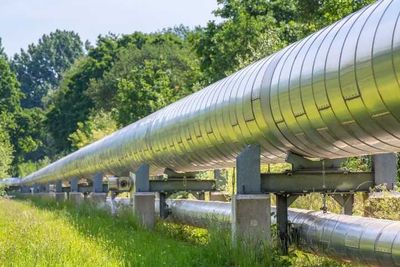
The report concludes that natural gas would need to remain a “foundational component of the region’s energy system” to meet the demands of AI data centers. Photo courtesy UH
A new study from the University of Houston estimates that the U.S. will need more than $1 trillion in new midstream energy infrastructure investment by 2052 to meet the rising energy demands from data centers in the age of artificial intelligence.
According to the report, this would average $40 billion to $48 billion per year across investments in natural gas, oil, natural gas liquids, hydrogen and CO2 infrastructure.
UH, in collaboration with the INGAA Foundation and Wood and ESMIA Consultants, released the 2025 North American Midstream Infrastructure Report, which details the needs, pipelines and associated infrastructure necessary to meet global market needs and increased energy demands. UH led the consortium that conducted the analysis. Paul Doucette, hydrogen program officer at UH, served as the principal investigator of the report.
According to the U.S. Department of Energy, data center energy consumption could reach 800 terawatt-hours annually by 2050, a roughly 167 percent increase from 300 terawatt-hours in 2025. Meanwhile, electricity generation from all energy sources is projected to reach 5,858 terawatt-hours in 2052, a 27 percent increase over current levels.
The report proposes two routes to meeting this level of demand.
The first scenario is a reference case based on current federal, state and provincial policies as of April 1, 2025. The second option presents a low-carbon scenario. The report concludes that natural gas would need to remain a “foundational component of the region’s energy system” in both scenarios.
“Meeting energy demand is a critical challenge right now, and this report quantifies the necessary midstream infrastructure and corresponding development dollars needed to meet that demand,” Hebe Shaw, executive director of the INGAA Foundation, said in a news release. “Meeting the energy needs of North America will require sustained investment and development, which must begin now to ensure a safe, reliable and affordable energy system.”
The report also identified several key midstream infrastructure requirements, including:
- 103,000 miles of new natural gas gathering pipelines
- 37,000 miles of additional natural gas transmission pipelines, which includes approximately 33,800 miles in the United States
- 24 million jobs over 25 years
The report adds that hydrogen, carbon capture, utilization, and storage (CCUS), and other decarbonization strategies can help meet infrastructure needs.
UH released a condensed version of the report here.