ev outlook
EV surge could shutter 40 refineries by 2040, Wood Mackenzie report warns
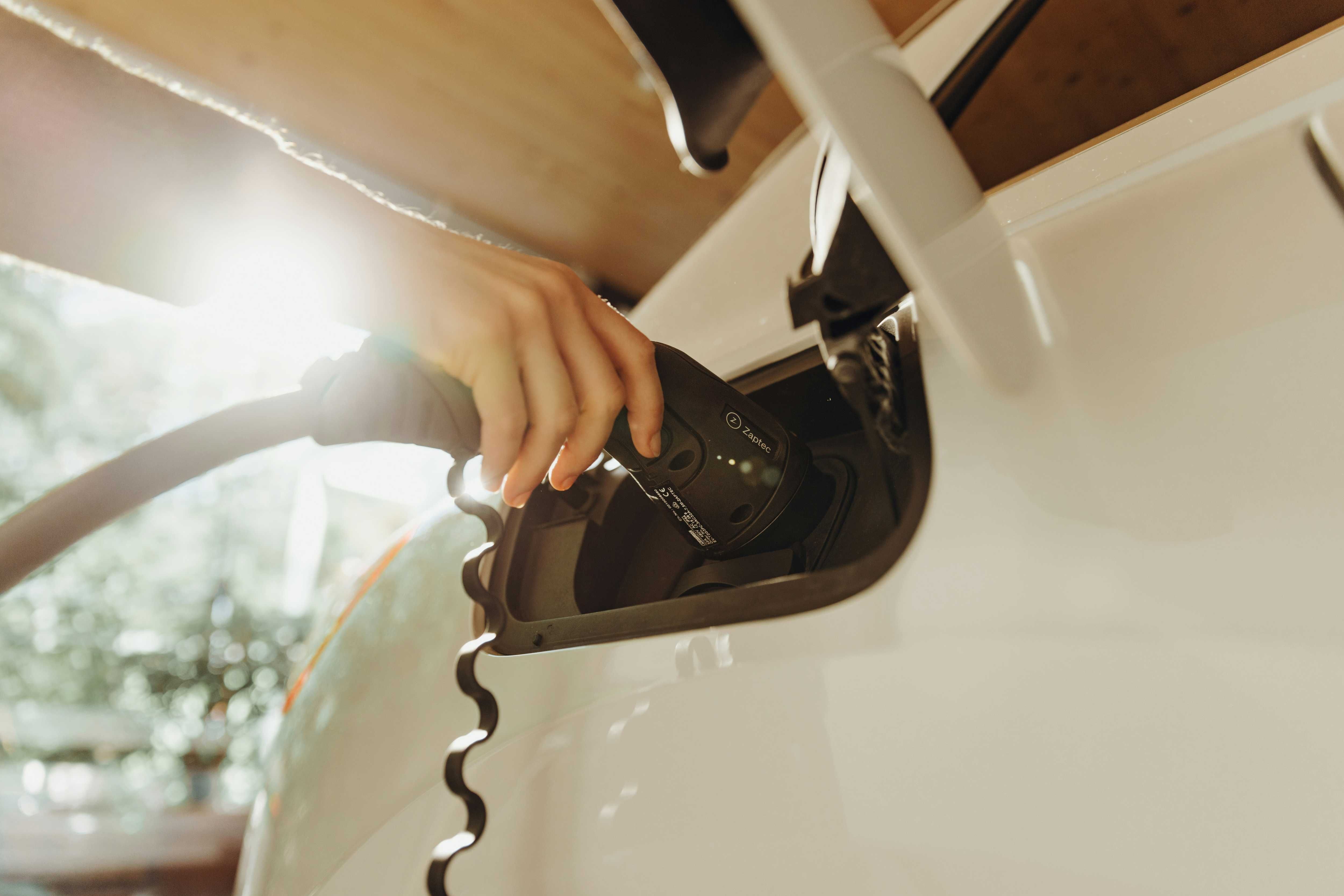
Wood Mackenzie predicts EVs will account for 20 percent of the U.S. personal and commercial vehicle fleet in 2040. Photo via Unsplash
The rise of electric vehicles could spell trouble for Houston’s oil and gas sector, a new report suggests. But the oil and gas industry stands to benefit from potential sluggishness in U.S. adoption of EVs.
If worldwide EV adoption rises as expected, global oil demand could fall by five million barrels per day by 2040, accelerating the closure of about 40 oil refineries, says the report, published by energy research and consulting firm Wood Mackenzie. The firm’s North American hub is in Houston.
Those closures might spell trouble for refinery operators with a sizable Houston-area presence, including BP, ExxonMobil, Marathon, Saudi Aramco, and Valero. In 2025, the five companies collectively earned roughly $33 billion from downstream operations, including refineries. One caveat: Each company assigns a different definition to “downstream.”
Refineries in Organization for Economic Co-operation and Development (OECD) countries, including the U.S. but excluding Middle Eastern heavyweights, “are most at risk due to their high energy costs and carbon prices,” the Wood Mackenzie report says.
On the flip side, an abundant U.S. oil supply means American drivers have less of an incentive to switch from traditional cars to electric vehicles, despite stubbornly high fuel prices, according to the report.
Wood Mackenzie predicts EVs will account for 20 percent of the U.S. personal and commercial vehicle fleet in 2040, up from three percent in 2025. That compares with a global forecast of 25 percent in 2040, up from 4 percent last year.
Another U.S. roadblock to EV adoption cited in the report: the country’s relative lack of advanced battery manufacturing.
“Without advanced battery technologies, the U.S. auto sector is at risk of ceding its home market to non-Chinese EVs and falling behind competitors internationally,” the report says.
Furthermore, according to the report, Chinese investment in EV manufacturing in the U.S. probably will remain a no-go and tariffs on Chinese EV imports likely won’t be lifted, even if Democrats resurrected EV incentives following a White House win in 2028.
“Competition among EV manufacturers in international markets will only intensify,” the report notes. “Companies that can offer competitive products in high-growth markets will be best positioned for long-term success.”