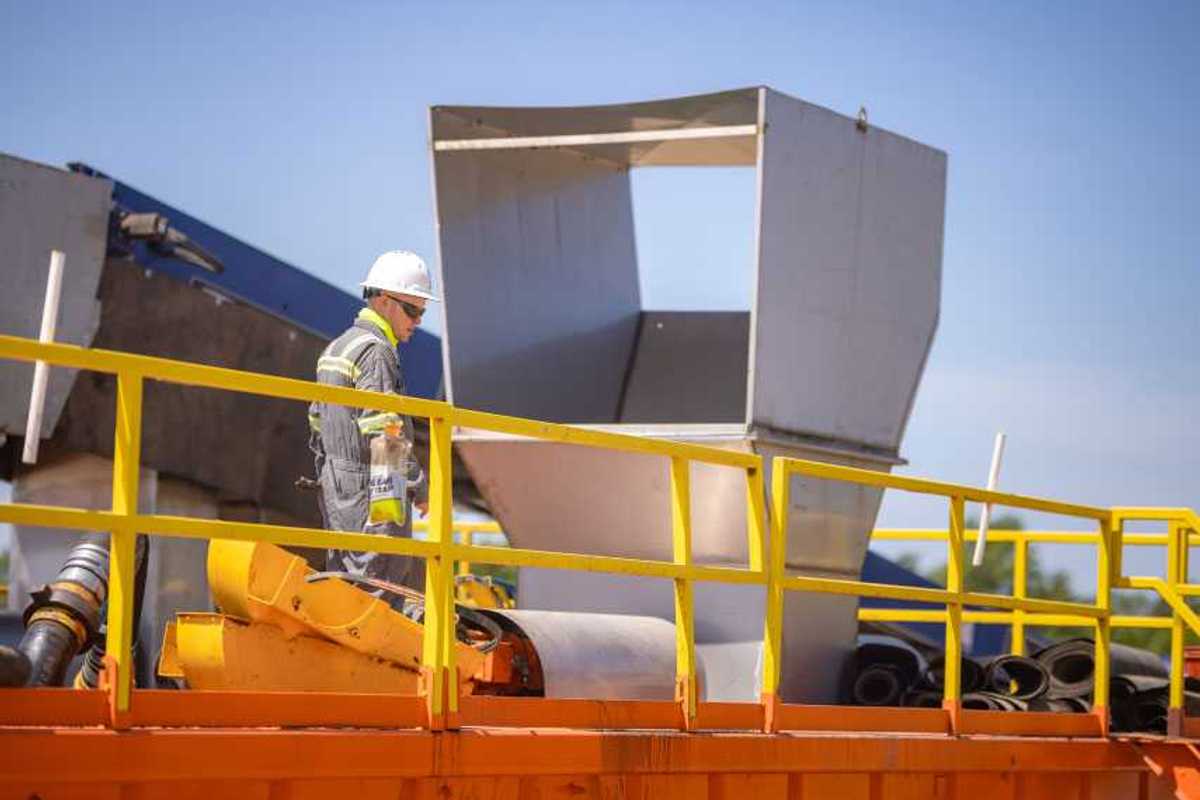
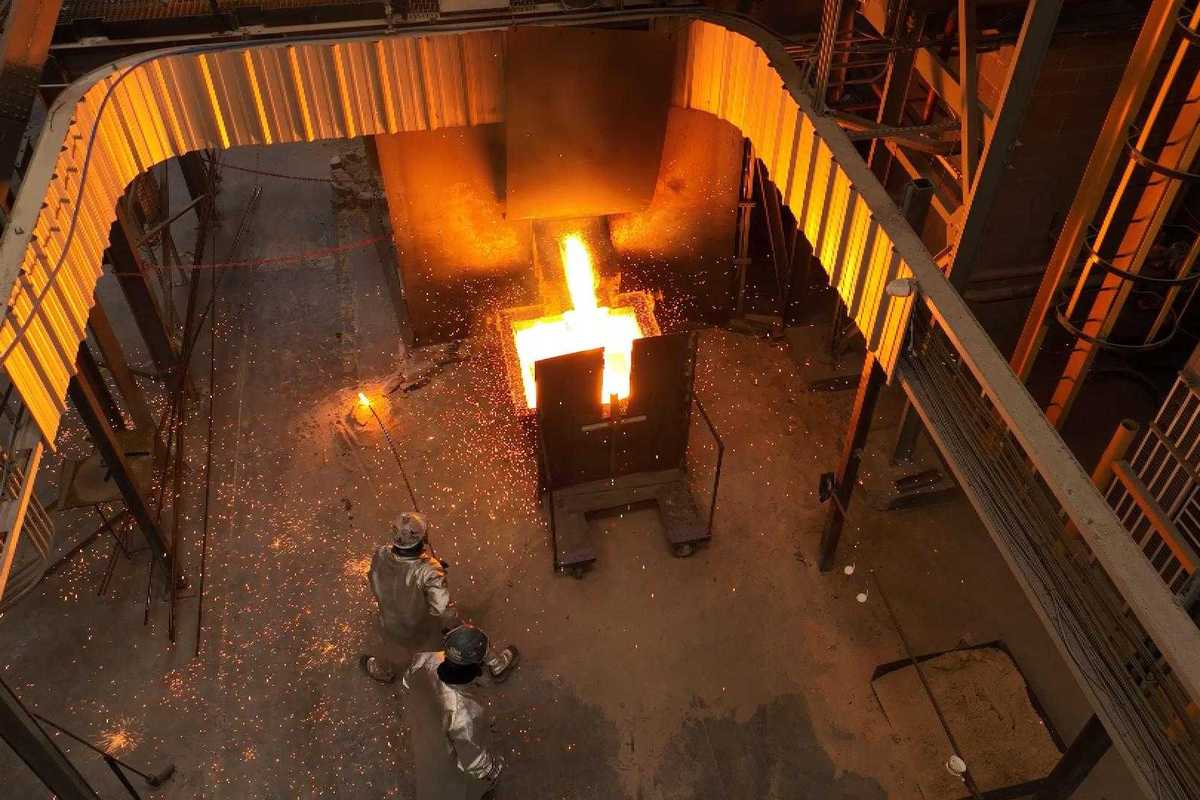
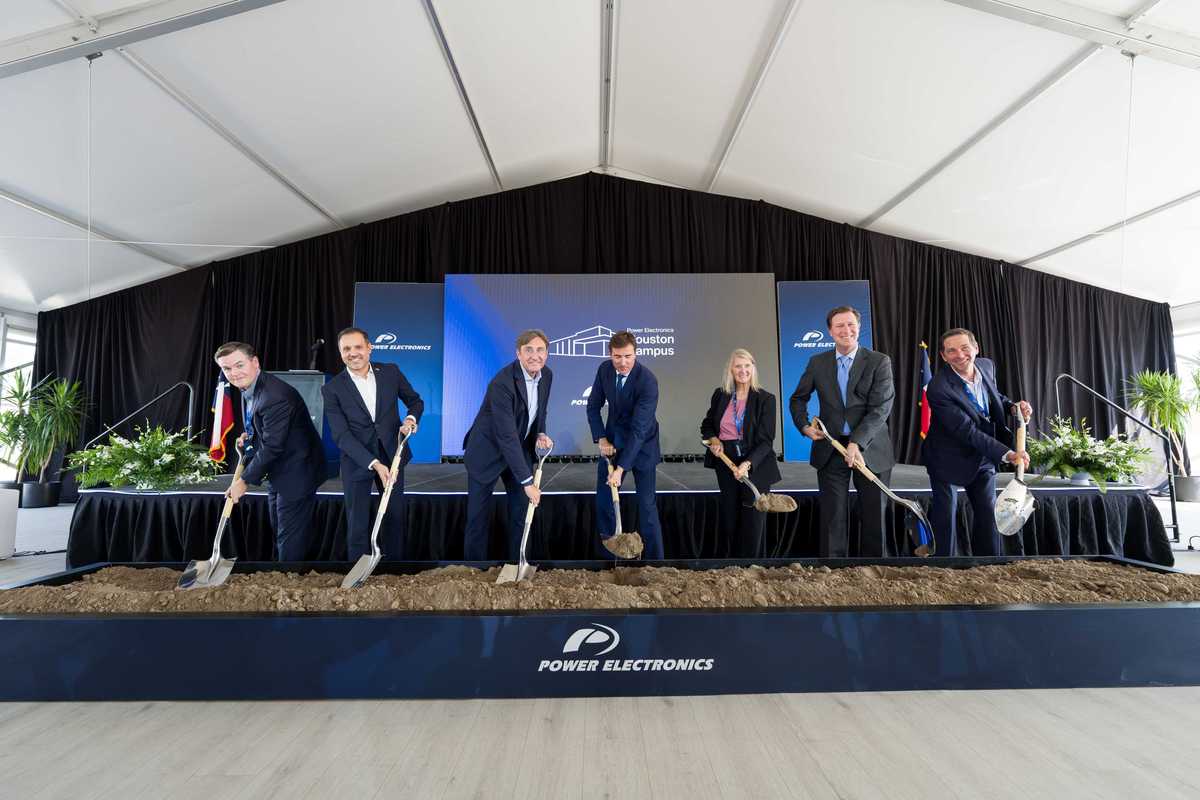
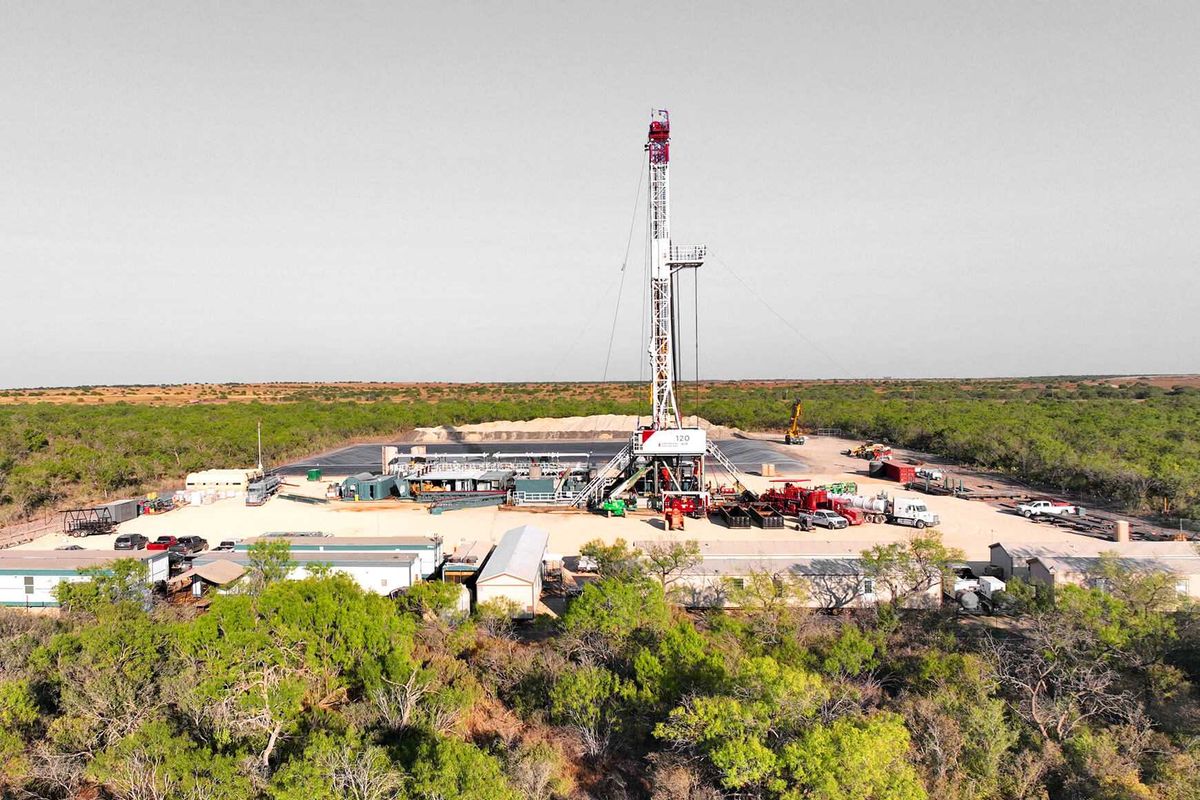
Revterra was selected from among 10 finalists receiving up to $1 million piloting opportunities. Photo via ADNOC

A Houston sustainability startup has secured a major win on a global scale.

Revterra, which produces novel batteries made from recycled steel, has been awarded a million-dollar piloting opportunity by ADNOC following a global competition.

The ADNOC Decarbonization Technology Challenge, in collaboration with AWS, bp, Hub71, and the Net Zero Technology Centre, sought to find emerging climate tech innovations that are ready for scale.

The contest drew 650 applicants from across 50 countries, and applicants specialized in innovations in oil and gas emissions reduction, nature-based solutions, carbon capture utilization and storage, digital applications, new energies, oil and gas emissions reduction and advanced materials for decarbonization.

At the event in Dubai, Revterra was selected from among 10 finalists receiving up to $1 million piloting opportunities. In addition to the $1 million, they will gain access to facilities and expertise at the ADNOC Research and Innovation Center in Abu Dhabi.

“We are thrilled to win this opportunity,” Patrick Flam, CFO of Revterra, says in a news release. “At Revterra, we have developed an environmentally friendly battery that doesn’t rely on metals like lithium, nickel, or cobalt. Instead, our 2MW batteries are built using recycled steel and rely on rotational energy storage technology to achieve maximum power with a minimal environmental footprint. I am excited to work with our new partners at ADNOC to further develop our solution and deploy it across ADNOC’s operations.”

ADNOC is accelerating the decarbonization of its operations and looks to reduce its carbon intensity by 25 percent by 2030.

“ADNOC is leveraging partnerships and innovative climate technologies to accelerate our decarbonization goals and responsibly enable the energy transition,” Musabbeh Al Kaabi, ADNOC executive director for Low Carbon Solutions and International Growth, adds in the release. “The ADNOC Decarbonization Technology Challenge supports this objective, and we congratulate Revterra for emerging victorious amongst very competitive submissions from around the world.

"We look forward to working with Revterra to unlock cutting-edge solutions that will enhance efficiencies and continue decarbonizing our operations,” he continues.
Ad Placement 300x100
Ad Placement 300x600

CultureMap Emails are Awesome

Greentown names 5 climatech startups to manufacturing accelerator

Catalyst Cohort

Greentown Labs has named five climatech startups to its Go Make 2026 cohort, including one from Houston.

Greentown Go Make 2026 is in partnership with Shell Catalysts & Technologies and Technip Energies. Startups will be able to collaborate with leadership from Shell and Technip and have opportunities to work directly with their process engineering teams and develop potential partnerships, pilots and demonstrations, according to Greentown.

This year's manufacturing cohort focuses specifically on process technology and catalytic innovations, which, according to Greentown, have the potential to be a "critical enabler of the global energy transition." Greentown shares that 90 percent of chemical processes depend on catalysis, but traditional methods rely on fossil fuels and consume significant amounts of energy.

“Catalysis underpins the majority of industrial chemical processes, which together account for a significant share of global emissions, making it a critical lever for reducing carbon intensity while improving performance,” Georgina Campbell Flatter, CEO of Greentown, said in a news release. “Greentown Go Make 2026 is designed to close the gap between breakthrough innovation and industrial deployment. By connecting startups with Shell and Technip Energies’ technical expertise and global scale, we’re helping accelerate solutions that improve efficiency and drive industrial decarbonization.”

The five Greentown Go Make 2026 companies include:

  • Houston-based Biosimo, which makes scalable biochemicals from ethanol
  • Missouri-based Catalyxx, which transforms bioethanol into drop-in, cost-competitive, carbon-negative chemicals
  • Sydney, Australia-based HydGene Renewables, which produces low-carbon hydrogen and industrial chemicals from waste biomass
  • Switzerland-based TreaTech, which turns waste into renewable gas, water and minerals through catalytic hydrothermal gasification
  • California-based Unifuel, which has developed a chemical technology platform to make sustainable aviation fuel, renewable gasoline and other renewable chemicals

The cohort will be celebrated at a kickoff event in Houston at The Ion on June 9.

In addition to Greentown Go Make, Greentown also runs its Go Move (transportation), Go Energize (energy and electricity), Go Build (buildings), and Go Grow (food and agriculture) cohort-based programs. The climatech incubator announced its Go Build 2026 cohort in March. Read more here.

Houston developer launches AI-powered water platform to boost efficiency

eyes on AI

Houston real estate company McCord Development has launched an artificial-Intelligence-run water management platform, MizuWatch.

MizuWatch aims to help operators, districts, and municipalities detect leaks faster, reduce water loss and improve efficiency, according to the company. MizuWatch pulls data from supply sources, smart meters, historical usage and maintenance records, and combines them into a single platform. The AI system also uses visual mapping and digital twin technology to deliver near-real-time system insights.

“MizuWatch brings the right data together daily, so teams can see what’s happening now, intervene earlier and focus their resources where they have the greatest impact,” Jerzy Wielgus, chief product officer for MizuWatch, said in a news release.

MizuWatch was built to “scale across geographies and system sizes to help assist with water scarcity, aging infrastructure, and operational complexity,” according to the company. It was developed at Houston’s Generation Park, McCord’s 4,300-acre master planned commercial district. McCord was able to pilot the platform onsite to help manage its complex, real-world water systems at scale.

“Resilient infrastructure is a key factor for the companies choosing Generation Park,” Ryan McCord, CEO of McCord Development and Founder & CEO of MizuWatch, added in the release. “We made the decision to deploy smart meters, but no one knew how to use the data they generate. This is an opportunity across all infrastructure where sensors are deployed. What started as an internal solution has become a platform we believe can help stakeholders everywhere be more efficient in their operations, investment, and compliance.”

Last fall, Eli Lilly and Co. selected Generation Park for its $6.5 billion manufacturing plant. More than 300 locations in the U.S. competed for the factory. Bristol Myers Squibb Co., another pharmaceutical giant, also announced it is considering Generation Park for a new manufacturing hub earlier this month.