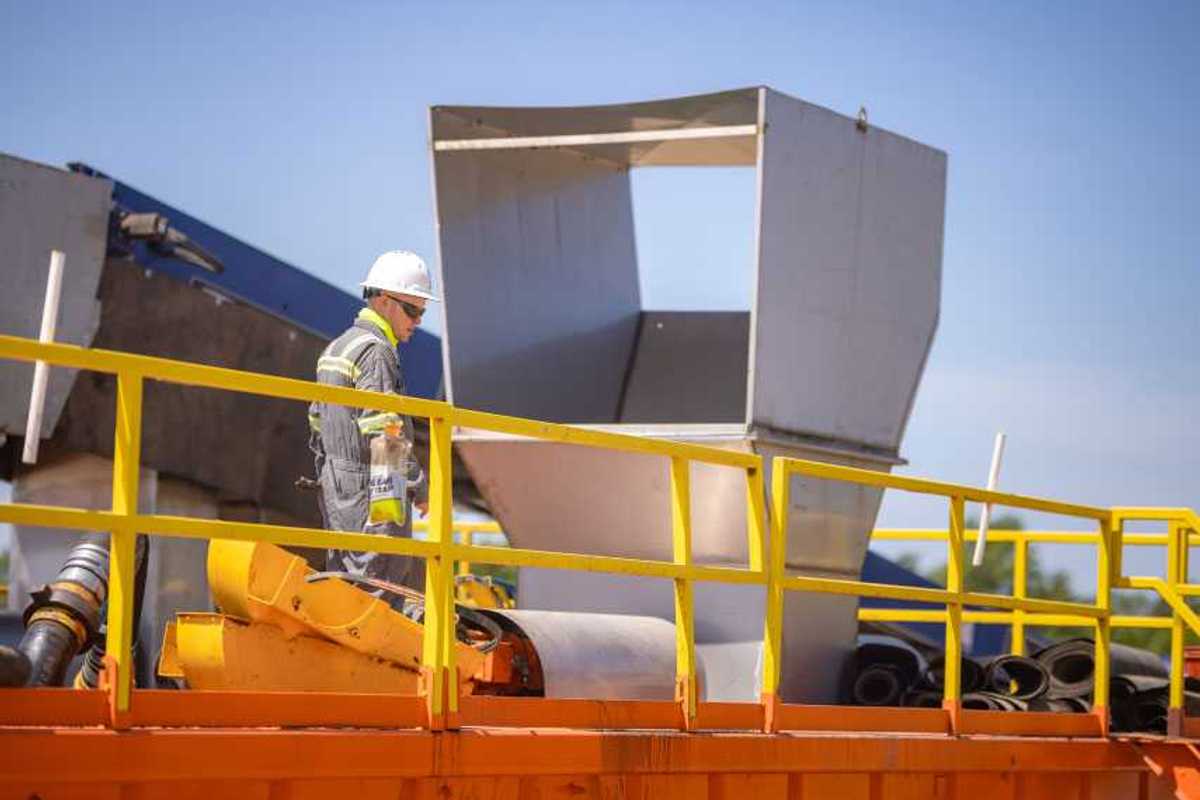
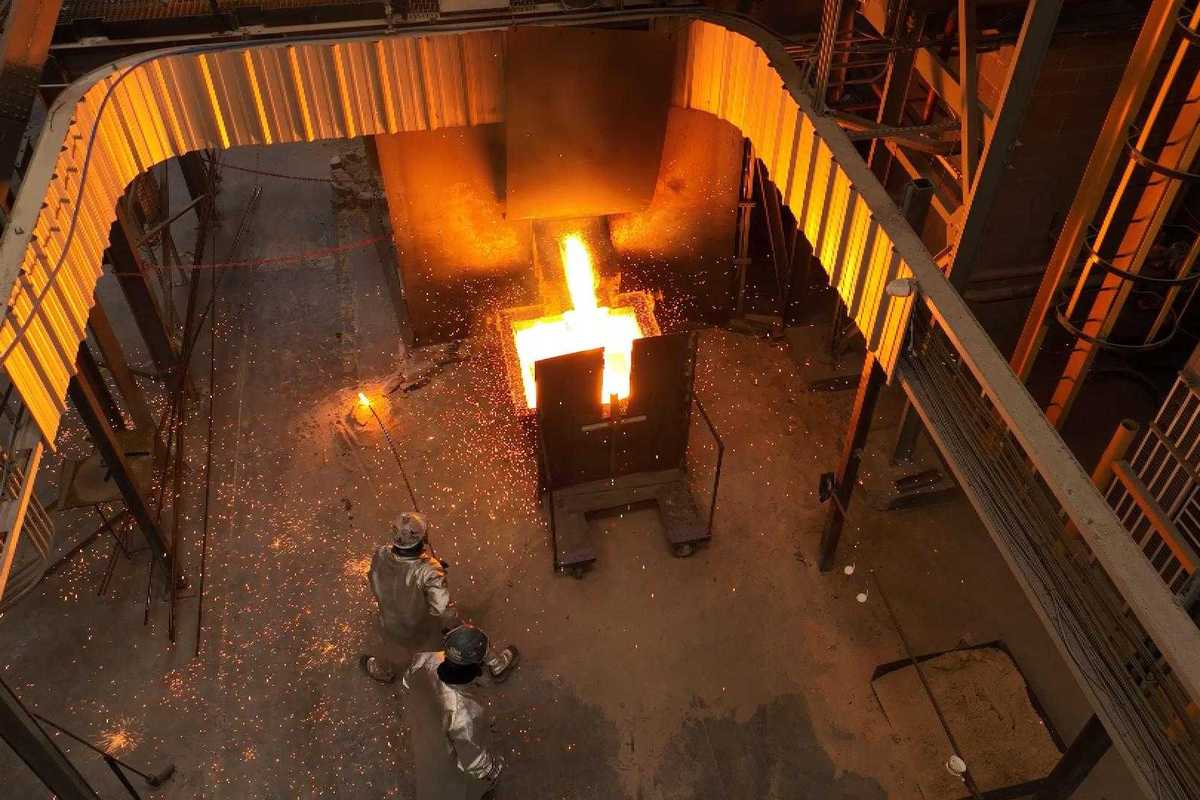
Global Clean Energy has named two new executives to its team. Photo via Getty Images

A Houston-based developer of green technology projects is expanding its management team by partnering with an affiliate of C2 Industrial Group.

Global Clean Energy's joint venture aims to “build, develop and manage sustainable clean energy projects in various forms while reducing negative carbon emissions or footprints” according to a news release.

James Wiseman has been named as chief legal officer and Jacob Sacks has been named as CFO. They join the current management team of George Azimov, president, and Chris Boll, chief revenue officer and director. Together, the goal is to engage professionals from C2 Industrial Group to present and acquire business opportunities that align with the goals and values of Global Clean Energy.

“GCEI's mission and purpose could not be more critical in today's trying times,“ Wiseman says in a news release. “We must build sustainable businesses and industries. We must reduce the carbon footprint of business and industry. We must invest in green supply chains and emerging technologies. We need to think and act with clarity of purpose. That's what we intend to do as we look to acquire and build projects for GCEI that fulfill that mission.”

Wiseman recently served as principal and chief legal officer of C2 Industrial based in Joshua, Texas. He has over 25 years of experience buying, developing and operating real estate in New York and Texas with Cayuga Capital Management LLC. Sacks recently served as principal and CFO of C2 Industrial.

“We are pleased to be working with GCEI to combine and bring scale to companies that both have strong growth prospects and provide material benefits to the environment through their operations, in a prudent and financially responsible manner,” Sacks adds in the release.

Ad Placement 300x100
Ad Placement 300x600

CultureMap Emails are Awesome

Houston scientists develop 'recharge-to-recycle' reactor for lithium-ion batteries

reduce, recharge, recycle

Engineers at Rice University have developed a cleaner, innovative process to turn end-of-life lithium-ion battery waste into new lithium feedstock.

The findings, recently published in the journal Joule, demonstrate how the team’s new “recharge-to-recycle” reactor recharges the battery’s waste cathode materials to coax out lithium ions into water. The team was then able to form high-purity lithium hydroxide, which was clean enough to feed directly back into battery manufacturing.

The study has major implications for the electric vehicle sector, which significantly contributes to the waste stream from end-of-life battery packs. Additionally, lithium tends to be expensive to mine and refine, and current recycling methods are energy- and chemical-intensive.

“Directly producing high-purity lithium hydroxide shortens the path back into new batteries,” Haotian Wang, associate professor of chemical and biomolecular engineering, co-corresponding author of the study and co-founder of Solidec, said in a news release. “That means fewer processing steps, lower waste and a more resilient supply chain.”

Sibani Lisa Biswal, chair of Rice’s Department of Chemical and Biomolecular Engineering and the William M. McCardell Professor in Chemical Engineering, also served as co-corresponding author on the study.

“We asked a basic question: If charging a battery pulls lithium out of a cathode, why not use that same reaction to recycle?” Biswal added in the release. “By pairing that chemistry with a compact electrochemical reactor, we can separate lithium cleanly and produce the exact salt manufacturers want.”

The new process also showed scalability, according to Rice. The engineers scaled the device to 20 square centimeters, then ran a 1,000-hour stability test and processed 57 grams of industrial black mass supplied by industry partner Houston-based TotalEnergies. The results produced lithium hydroxide that was more than 99 percent pure. It also maintained an average lithium recovery rate of nearly 90 percent over the 1,000-hour test, showing its durability. The process also worked across multiple battery chemistries, including lithium iron phosphate, lithium manganese oxide and nickel-manganese-cobalt variants.

Looking ahead, the team plans to scale the process and consider ways it can sustain high efficiency for greater lithium hydroxide concentrations.

“We’ve made lithium extraction cleaner and simpler,” Biswal added in the release. “Now we see the next bottleneck clearly. Tackle concentration, and you unlock even better sustainability.

DOE taps Texas companies for $56M in Strategic Petroleum Reserve deliveries

reserve refill

Two companies with ties to the Houston area have been awarded federal contracts totaling nearly $55.8 million to supply about 1 million barrels of crude oil for the nation’s depleted Strategic Petroleum Reserve.

Houston-based Trafigura Trading will provide two-thirds of the oil, and Dallas-based Energy Transfer Crude Marketing will provide the remaining one-third. Energy Transfer, the parent company of Energy Transfer Crude Marketing, operates a 330-acre oil terminal at the Houston Ship Channel.

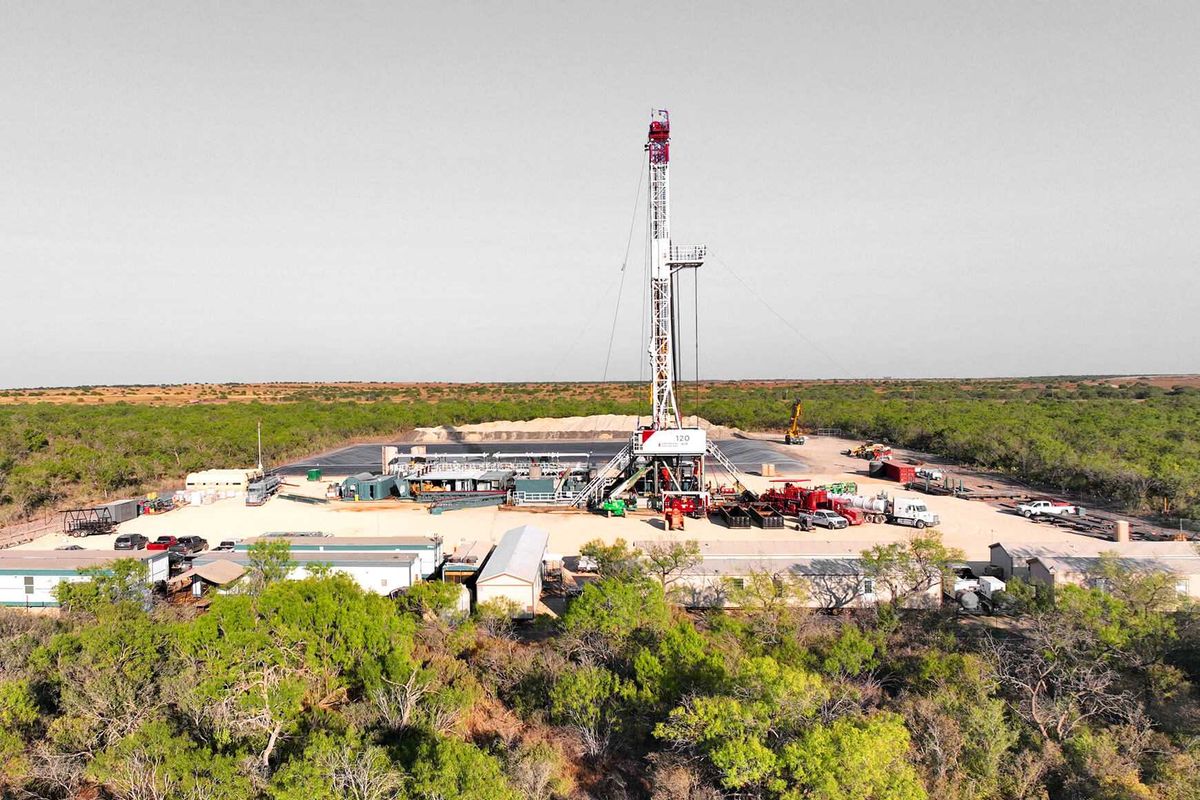
The U.S. Department of Energy (DOE), which awarded the contracts, said Trafigura and Energy Transfer will deliver the crude oil from Dec. 1 through Jan. 31 to the Strategic Petroleum Reserve’s Bryan Mound storage site near Freeport.

The Strategic Petroleum Reserve, the world’s largest emergency supply of crude oil, can hold up to 714 million barrels of crude oil across 61 underground salt caverns at four sites along the Gulf Coast. The reserve currently contains 410 million barrels of crude oil. During the pandemic, the Biden administration ordered a 180 million-barrel drawdown from the reserve to help combat high gas prices triggered by Russia’s war with Ukraine.

The four strategic reserve sites are connected to 24 Gulf Coast refineries, and another six refineries in Kentucky, Michigan and Ohio.

“Awarding these contracts marks another step in the important process of refilling this national security asset,” U.S. Energy Secretary Chris Wright said.

In March, Wright estimated it would take $20 billion and many years to fill the Strategic Petroleum Reserve to its maximum capacity, according to Reuters

.